Sri Lanka, the tear drop of India
Texte : Laure Siegel / Photos : Tom Vater
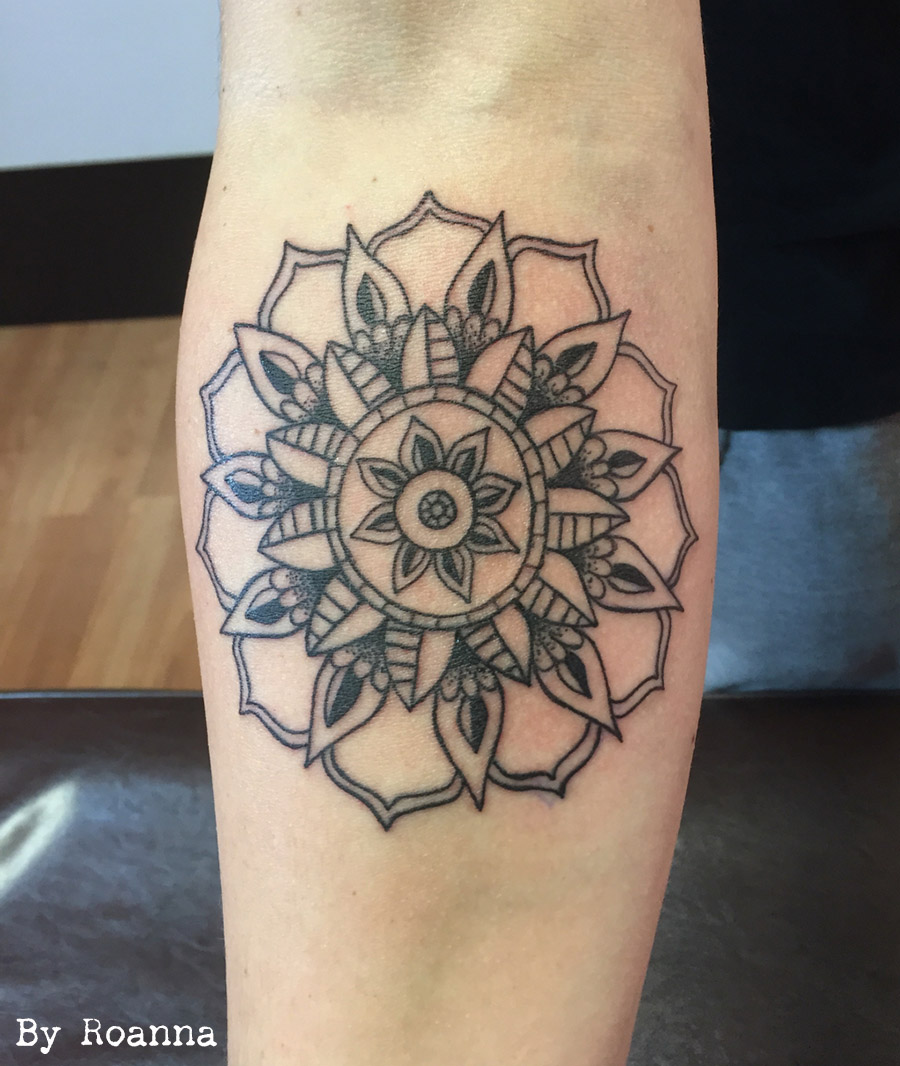
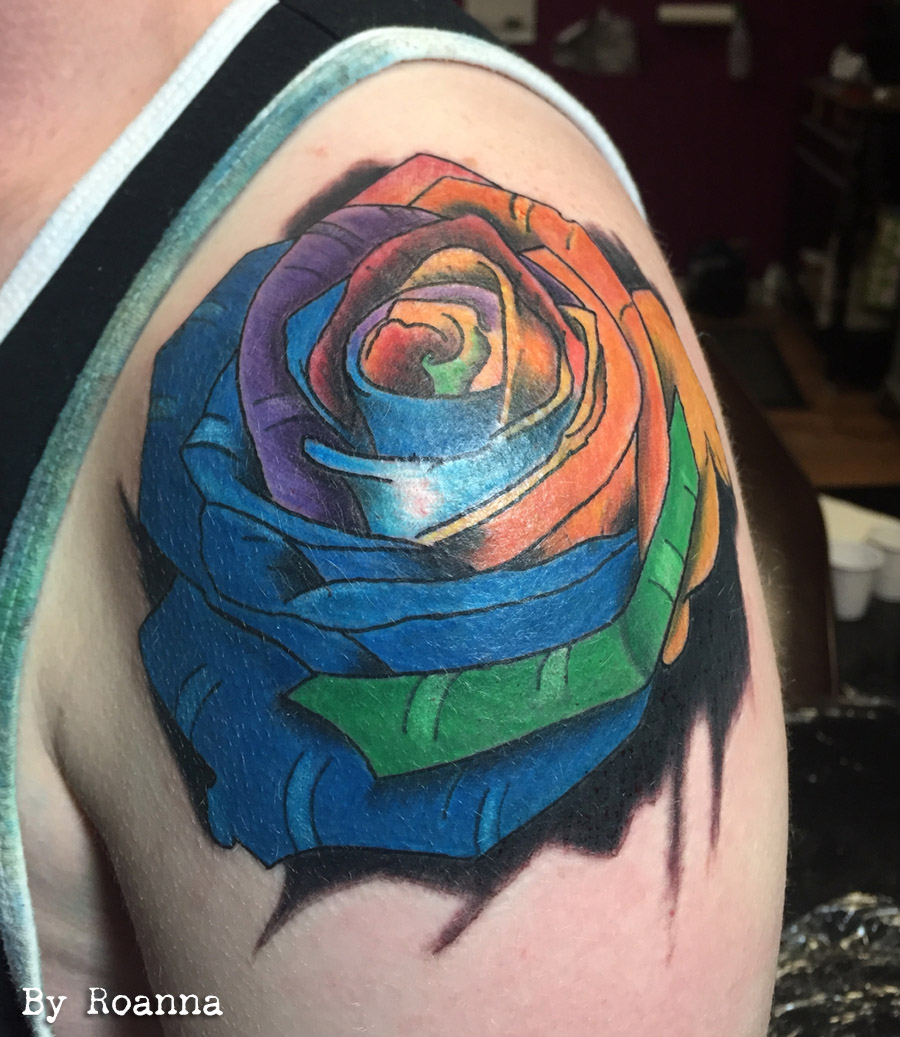
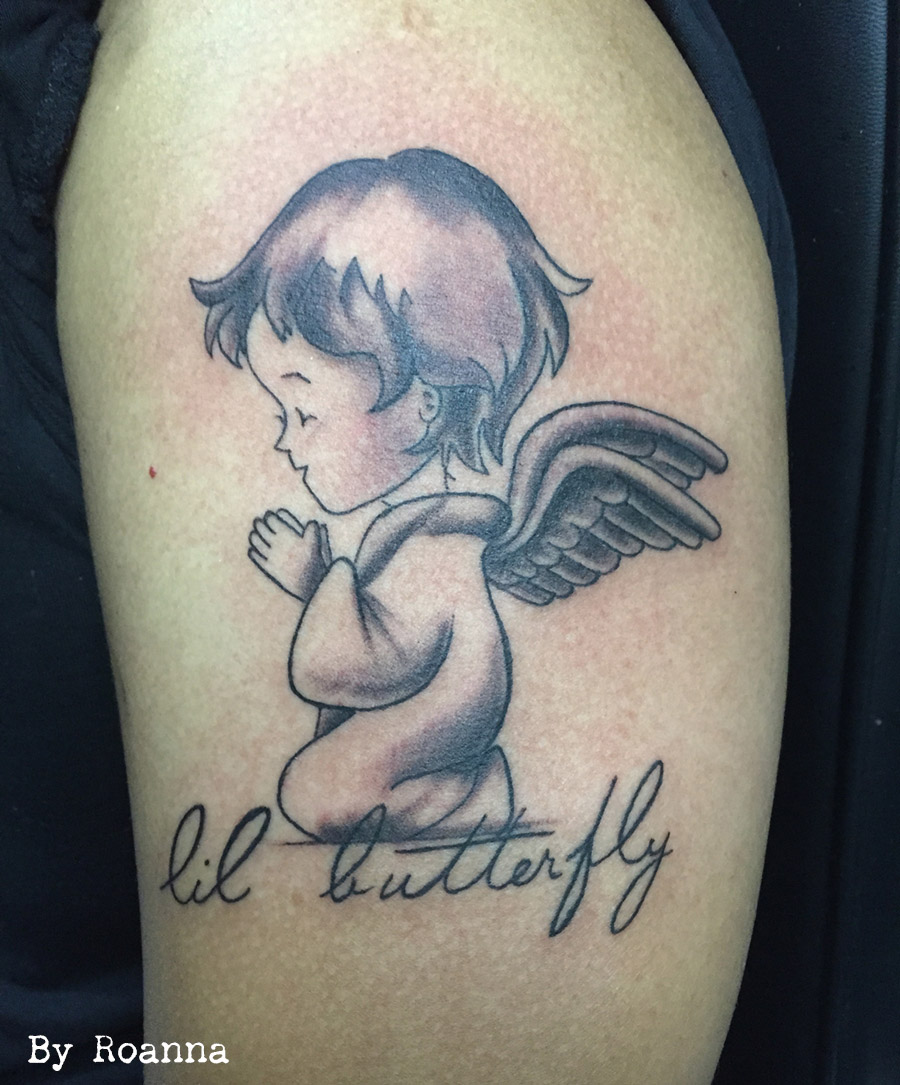
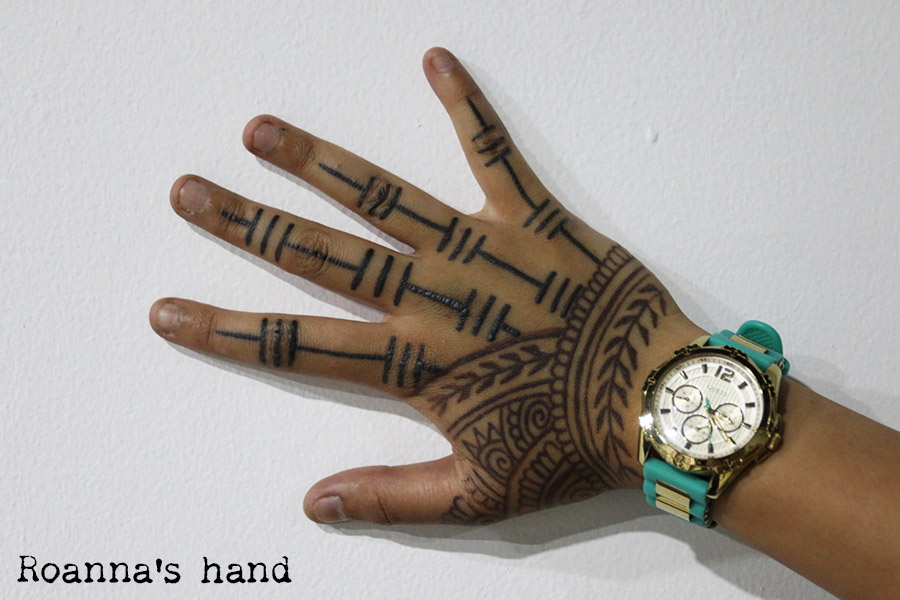
Ancient Sinhalese texts mention that some of Sri Lanka’s kings were tattooed. But religion, war and modernization put a halt to this art on this beautiful island in the Indian Ocean. Today the contemporary tattoo scene is in its infancy: besides a few Indian street tattoo artists there are no more than a dozen shops across the country, including those of ‘Ravi’ Wan Nishshanka, Dimmu Fernando and Roanna Webster and a few others, a handful of artists determined to make a name for themselves.


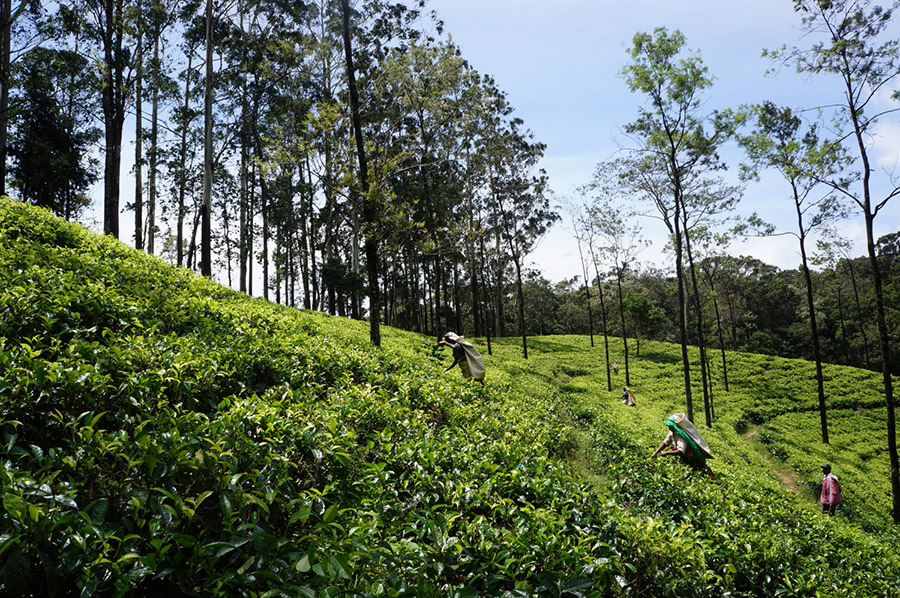
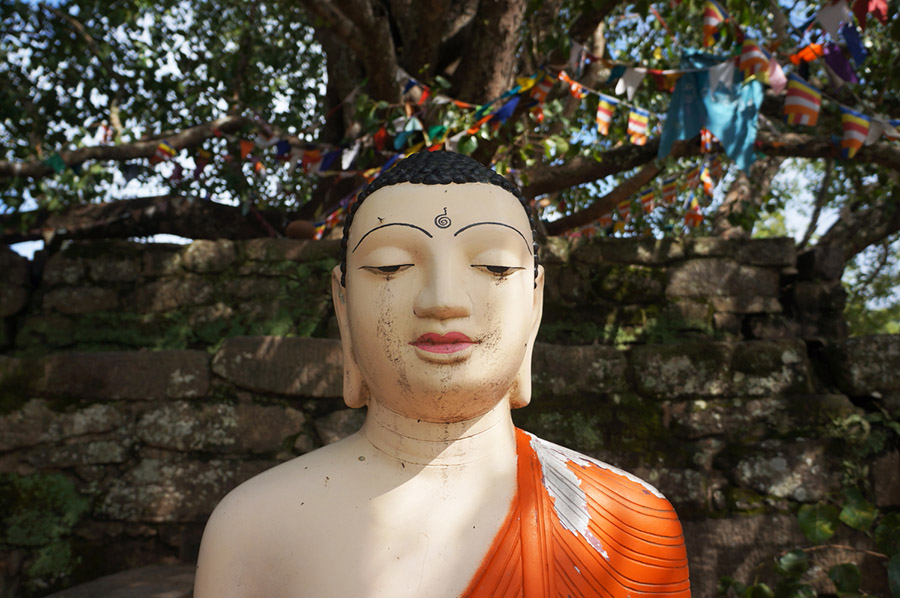
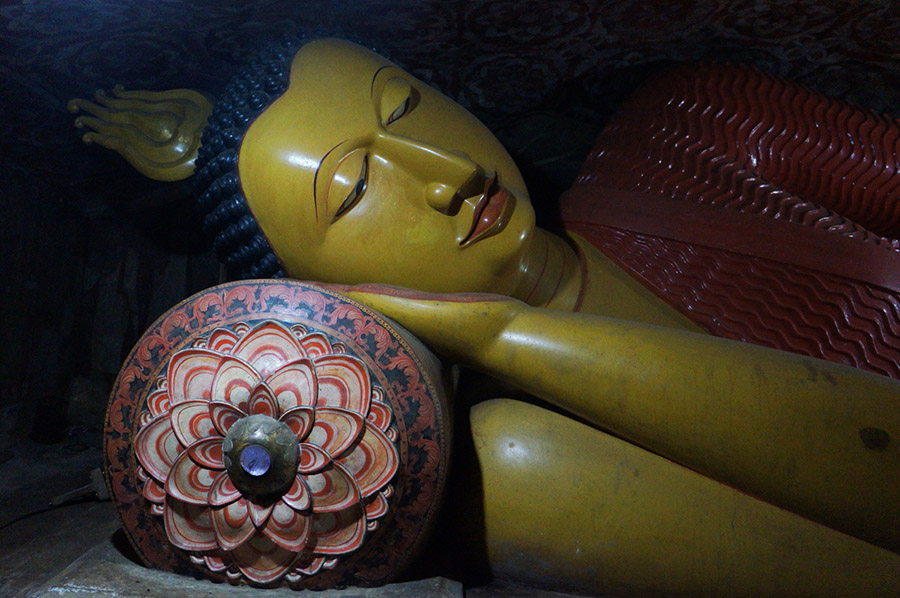
In 2014, a British nurse was arrested, locked up and deported from Sri Lanka for "interfering with the religious feelings of others". She had a Buddha tattoo on her arm. The tattoos worn by foreigners depicting local religious iconography are seriously frowned upon in many countries in South and Southeast Asia.
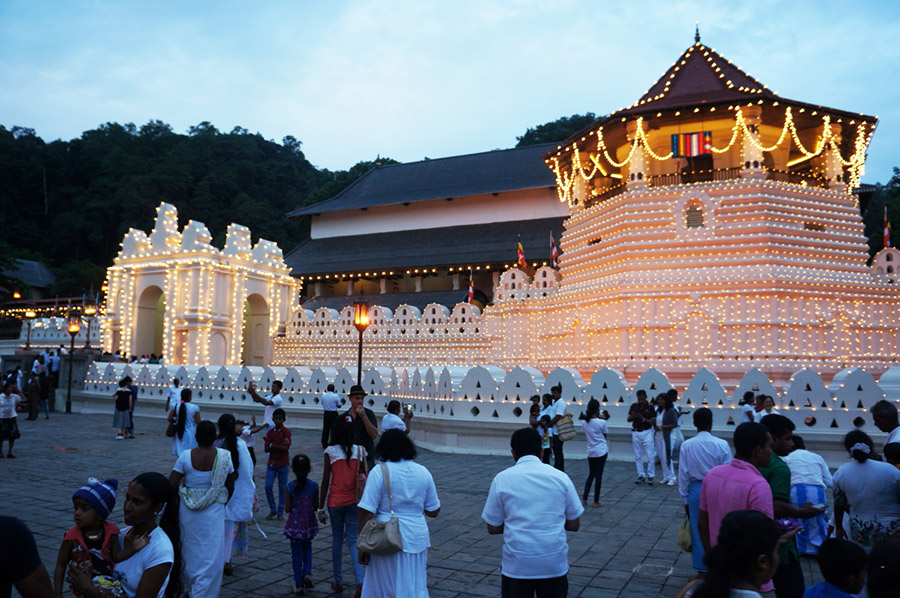
Wan Nishshanka, alias Ravi, 33, runs the only tattoo shop in Kandy, a sacred city which houses the fabulous Temple of the Tooth and lies in the center of the emerald island. "When I tattoo religious or official motives, such as the lion or the flag, our national symbols, I do not post photos on social networks. I do not want to go into sterile debates with conservative nationalists who believe they hold the truth. I am a practicing Buddhist and anyone who loves the Buddha should be able to get a tattoo of what he believes in. The Buddha never said it was forbidden, it is just considered as a gangster thing by society. The last time I landed at Colombo airport, they kept me an hour in immigration because of my tattoos."

Sri Lanka tattoo artist : Ravi, from dog trainer to tattoo artist
In 2004, Ravi had to give up his first career as a designer of stickers, when the local mafia destroyed his shop and beat him badly. The young man did a series of odd jobs to feed his brother, of whom he’d been in charge of since his mother had gone to work as a maid in Saudi Arabia. "I was a dog trainer, I played in blues bands, we lived in a small house, a room with two mattresses and a small kitchen."
A homemade tattoo machine
Ravi built a tattoo machine with a small engine and started poking his friends at home for twenty rupees (0.12 euro), using textile inks. "I always liked tattoos and piercings, but at this point I’d never seen any. At school I drew on the tables all the time, and when I was ten, I pierced my ears with a linden thorn. Usually it's the girls who are being pierced but my mother did not say anything so I kept my ears pierced."
In Sri Lanka, and especially in the communities around the tea plantations, newborns are at the center of three ceremonies: giving the first name (Peyer Vaithal), shaving the head (Modai Adithal) and piercing the ears of little girls when they are three months old (Kaathu Kuthu / Thoodu kuthuthal).
In 2008, an English tourist helped Ravi buy a Six Tattoo Guns, a Chinese tattoo kit. "I invested 35,000 rupees (210 euros), all my savings, but I found myself with the only machine in Kandy. My popularity jumped from one day to the other and I traveled all over the island to tattoo.” Ravi quickly opened his own studio with his brother, Sudesh. "I did not know anything about the job, so I bought the book" Tattooing A to Z "by Huck Spaulding - the Tattoo Bible. »


Ravi surfed the Internet for inspiration and soon admired the works of Dan Smith, Bob Tyrrell or Dmitriy Samohin, but he tried to integrate a traditional Sri Lankan style into his work. One of his last works is a portrait of Gajasingha, a hybrid creature from Southeast Asian mythology, with a lion's body and an elephant's head.
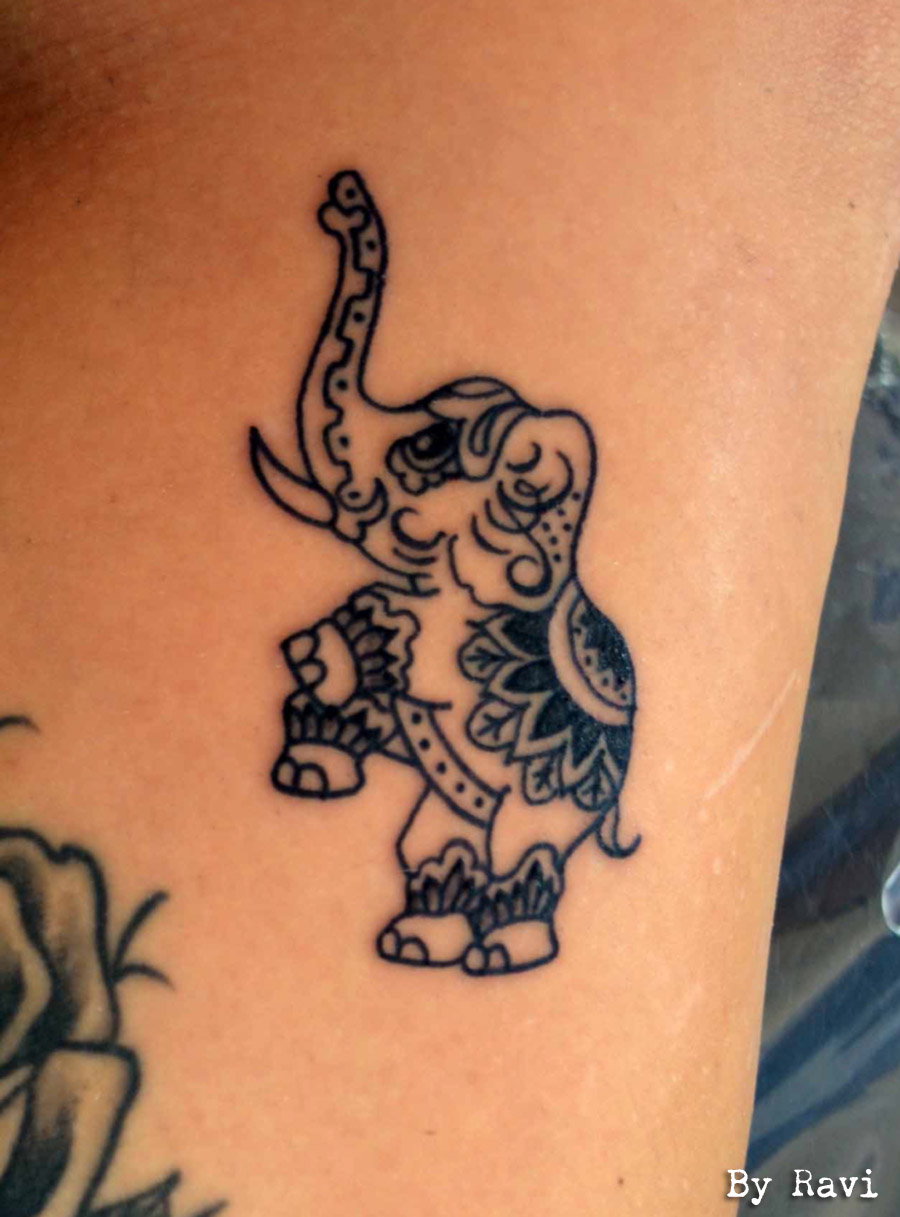
Half of his clients are tourists looking for a travel souvenir - a lion, an elephant, a lotus flower. "I like to tattoo my foreign customers with American Old School or drawings based on our famous wooden sculptures. My local clients mostly want portraits of family members or tattoos from Polynesia or Samoa, a style made popular by rugby and cricketer players. The tribal style works well on our dark skin."
Over the last two years, half of his clients have been women: "Lifestyles change, women are more open to the world thanks to international schools and scholarships, they can study abroad and they all have Facebook. »
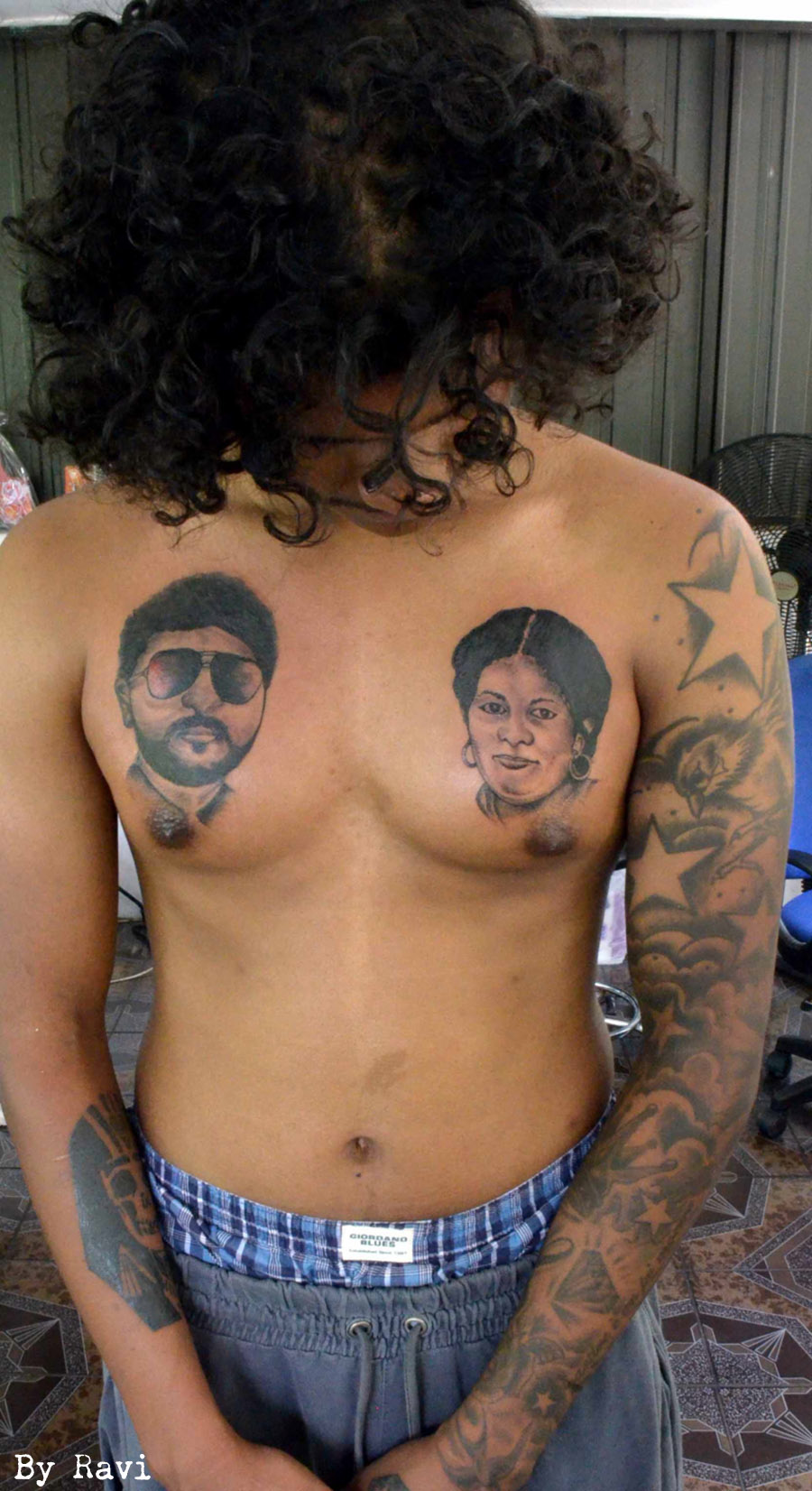
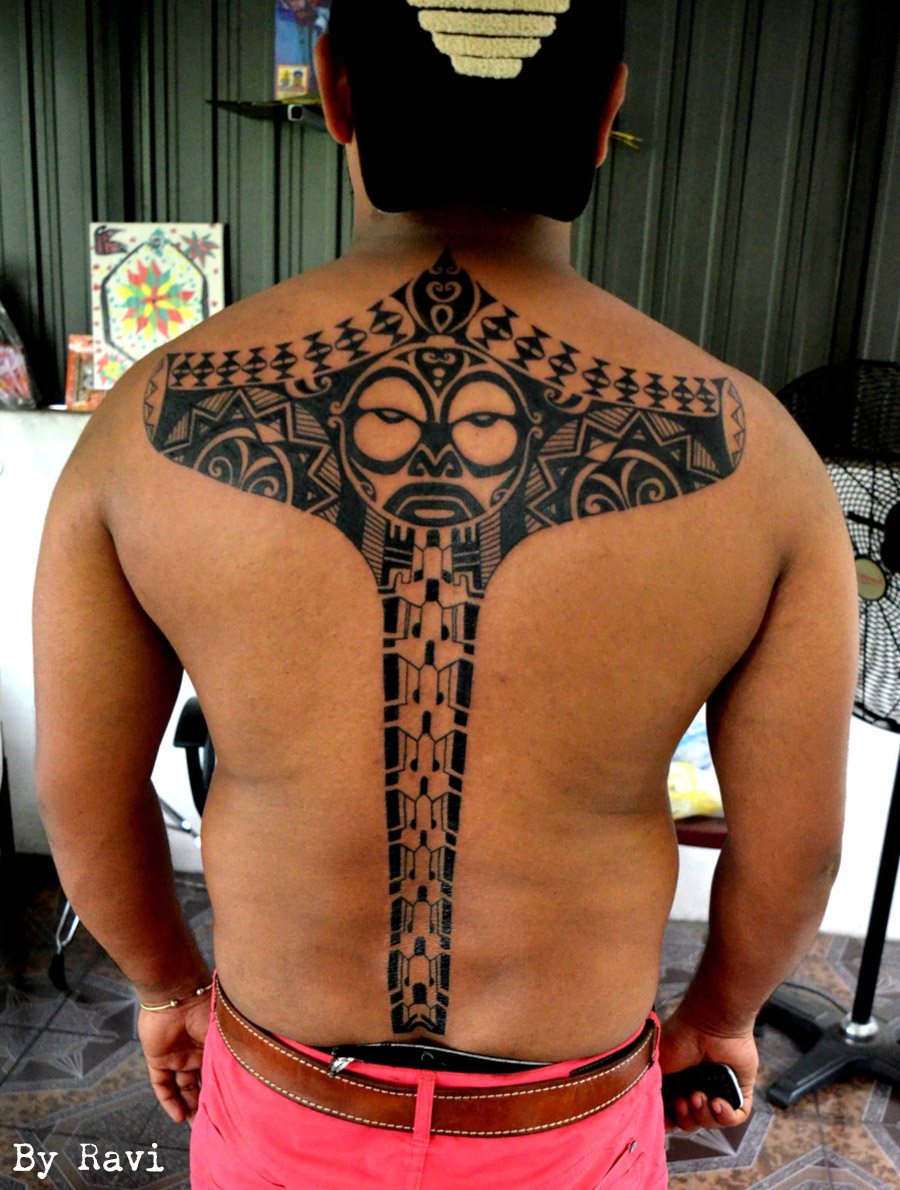
Dimmu Fernando
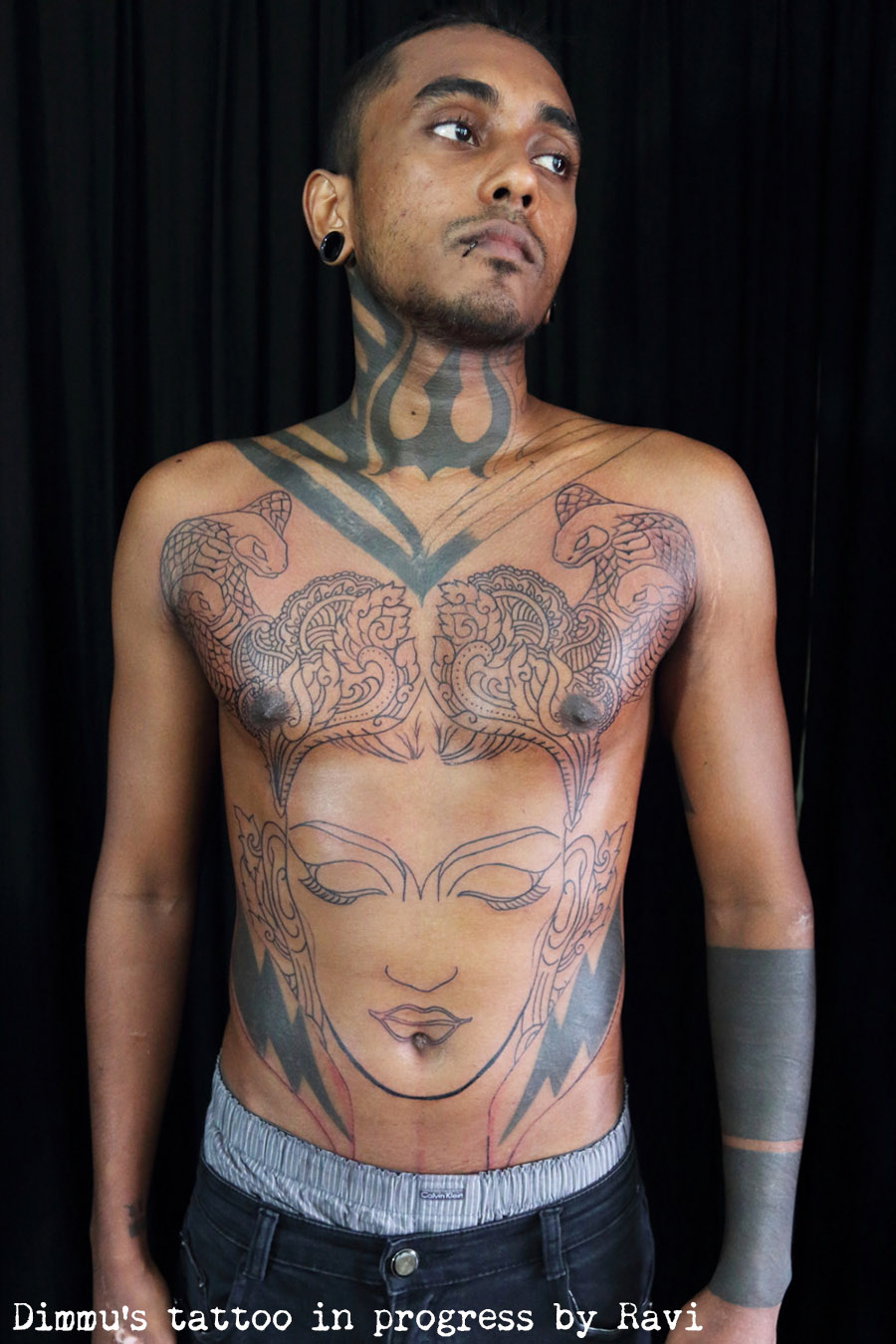
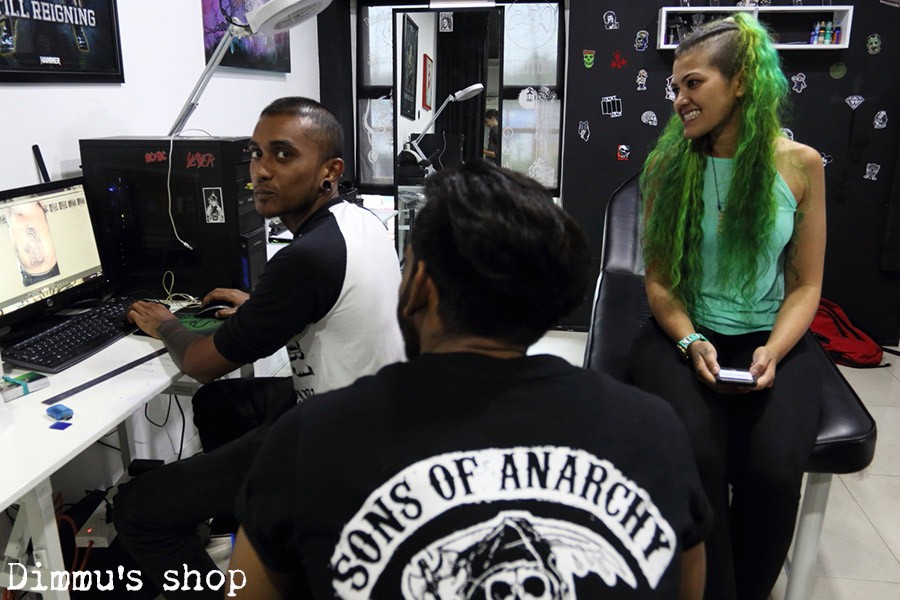
While speaking, Ravi covers Dimmu Fernando’s chest with an immense representation of the Hindu god Vishnu, protector of the universe. Dimmu has been running a shop in the suburbs of Colombo since 2011.
"In 2008, I went into the shop of Suren Fernando, a man who’d made his own gun in the early 2000s and started with meager resources. He hired me on the spot to draw designs and I took over his shop when he migrated to England. I went to art school of Colombo for a few months and I learned to draw skulls properly, but that's it.”
Prior to his career as tattoo artist, Dimmu had been working as a tourist guide in a hotel where he’d fallen asleep every morning at the counter because he’d spent the night playing black metal. "For me the job was ideal because I could reconcile my passions, tattooing and music. »
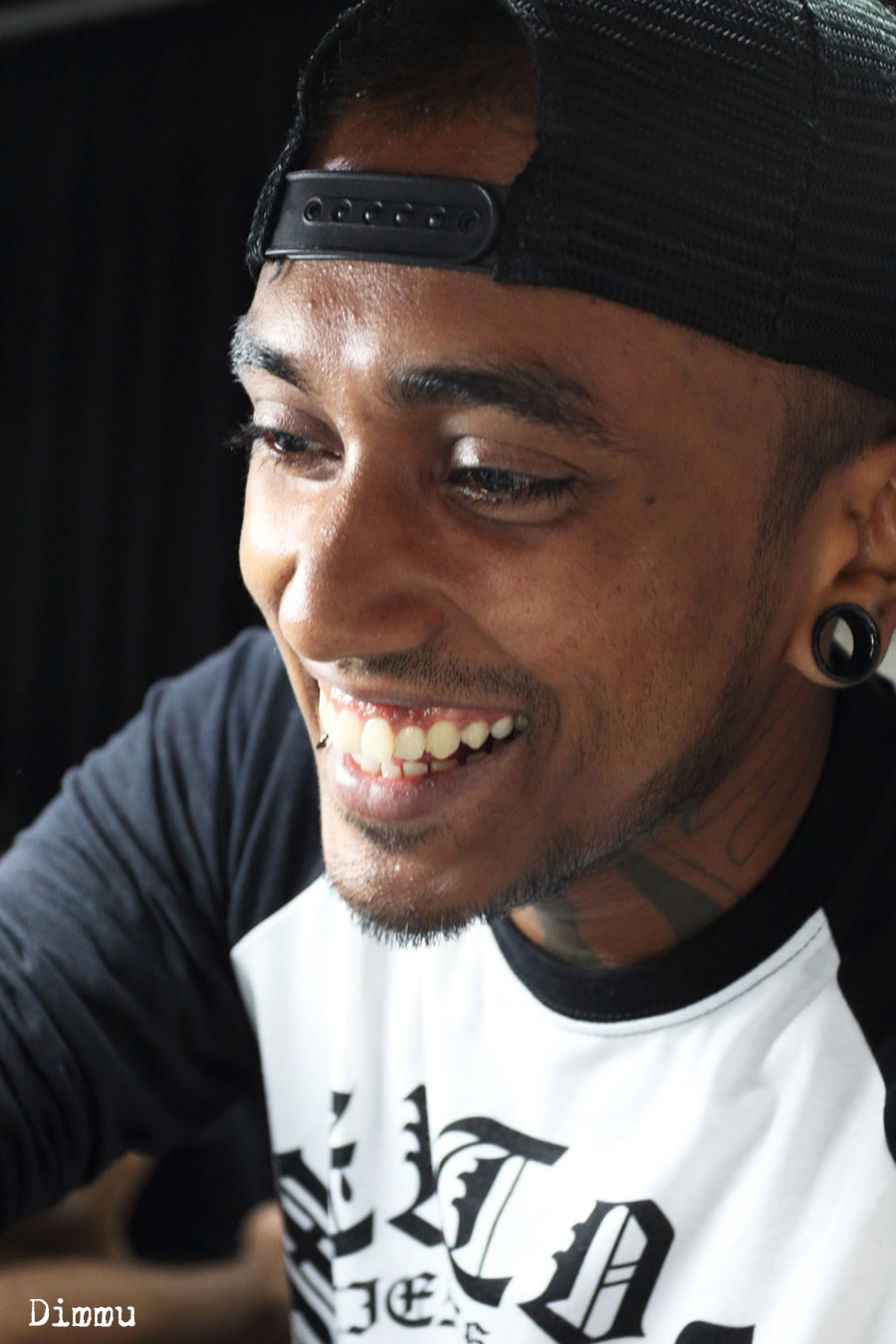
"At first I wanted to be a rich and famous tattooist, but now it's just a way to finance my travels and to help my community. I do not understand guys who do not want to share their knowledge. Tattooing does not belong to anyone, it is a popular art form that should not remain in the hands of a small clique. If someone wants to learn in this country, I will teach him. Becoming a tattoo artist empowers young people, provide them with a way to lead the life they want, allows them to be financially independent and feel valued. "
Being a professional tattoo artist in Sri Lanka remains a challenge: "Half the money I earn in the shop is invested in the purchase of equipment. Buying gear on the Internet makes the shipping as expensive as the cost of the material so I try to go to Bangkok for the supplies when I can ».

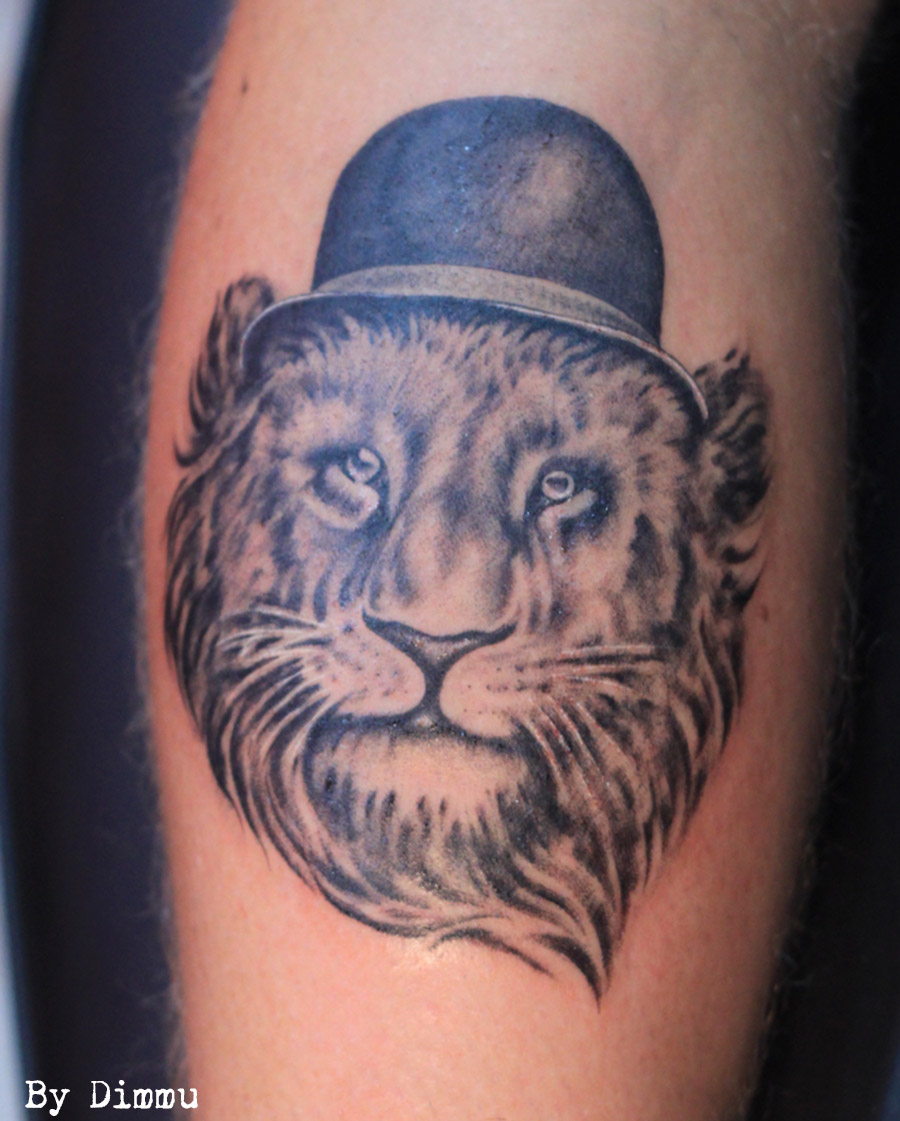
Dimmu, an enthusiastic surfer, is also an accomplished yogi. In 2010, he abandoned his education in a Catholic boarding school, converted to Hinduism and became a vegetarian. "I am passionate about India, where I find life simple, close to the animals. Every morning, before my yoga lesson, I play with cows, like I did when I was a kid. Historically and culturally we form a single country with India and that’s is a great inspiration for me. »
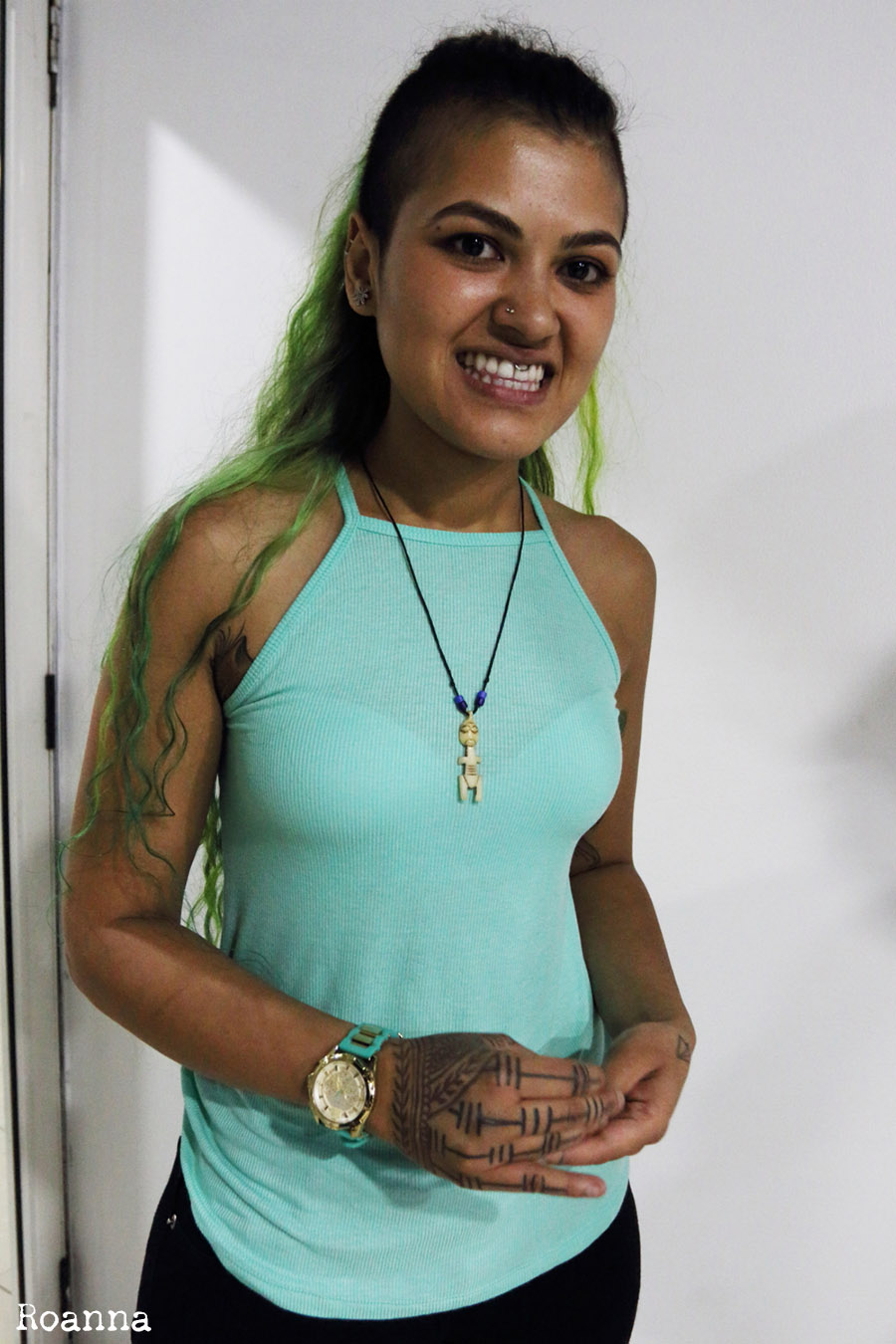
Dimmu frequently visits India to perfect his yoga practice, with the ultimate aim to teach yoga in Sri Lankan prisons to reduce prison violence. When he is away, Roanna Webster runs his shop. Roanna, twenty-four, was Dimmu's apprentice for three years before settling in California where she worked at Touch of Ink in Bakersfield. "The market in the US is saturated, I didn’t feel I can bring much to this country. So I came back to Sri Lanka to be close to my family and to be able to contribute to local counterculture. "
At 18, Roanna entered an aviation school because she dreamed of being an airline pilot and traveling forever. But she stopped after a year and a half. "I could not spend my time studying and traveling from airport to airport, I wanted to live."

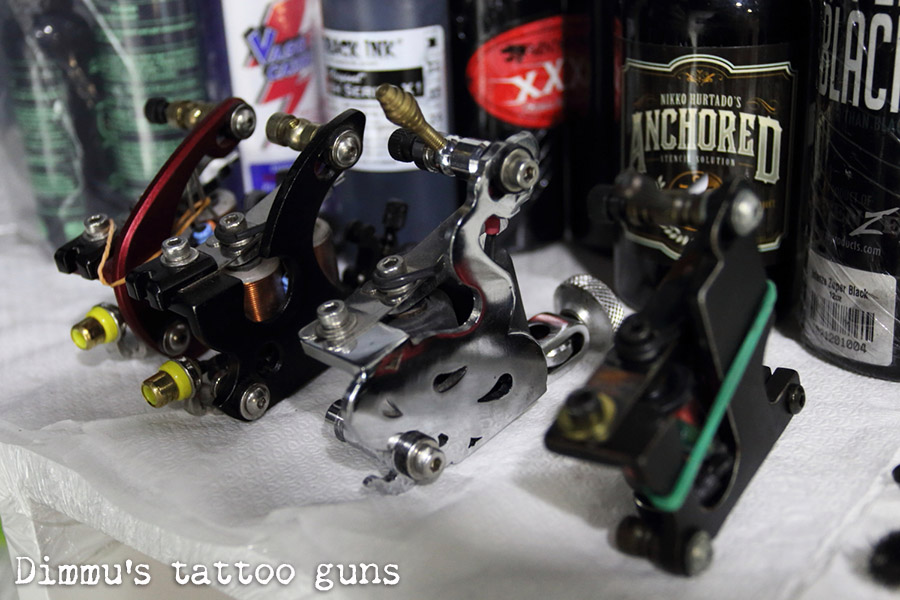
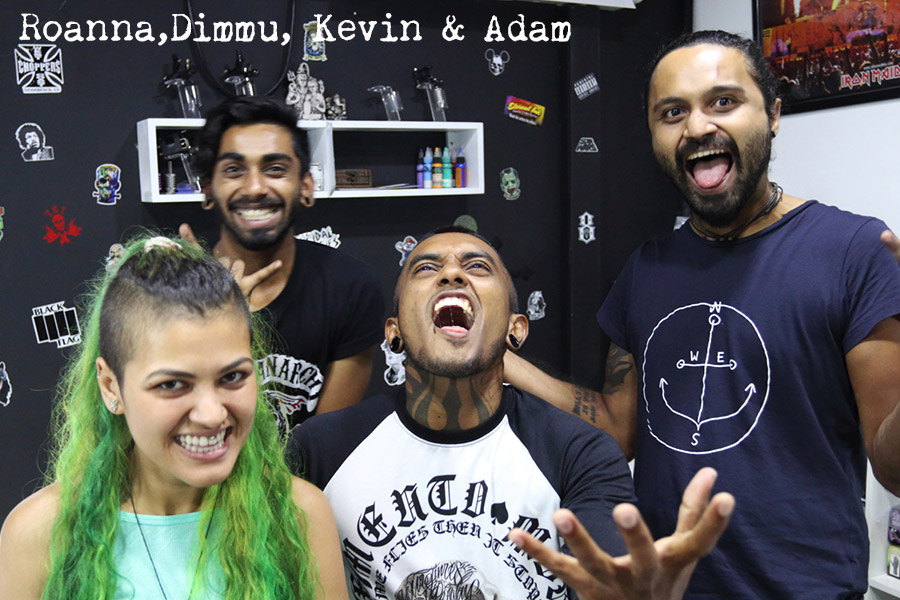
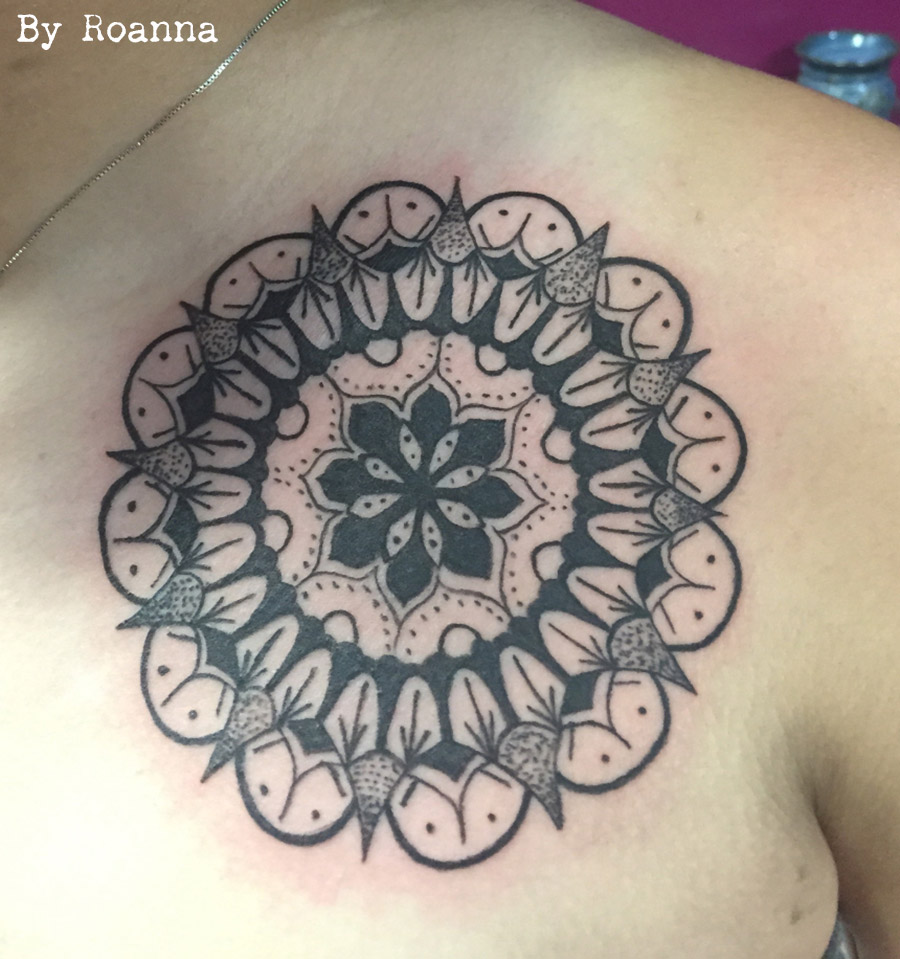
Roanna went home, opened a pizzeria and finished her tattoo apprenticeship. India, including the New Delhi Convention, left a strong impression: "My body is a collection of pieces by my artist friends such as Vikas Malani (Body Canvas, Delhi) who covered my back. People stare at me in the street but they are too polite to say anything. As the only female artist Sri Lanka, I really think that I can make a difference, the war is over. The tourists are coming back. The future looks bright. »
INFORMATIONS :
Ravi
Dimmu Fernando
Roanna Webster


 RETROUVER TOUS NOS CONTENUS, PHOTOGRAPHIES , GALERIES TATOUAGE ET OUTILS 3D SUR L'APPLICATION
ATC TATTOO



 RETROUVER TOUS NOS CONTENUS, PHOTOGRAPHIES , GALERIES TATOUAGE ET OUTILS 3D SUR L'APPLICATION
Indian Ink : Chapter 2 - An Exercise In Devotion – Political Tattoos In Tamil Nadu
Text & photograph : Laure Siegel & Tom Vater
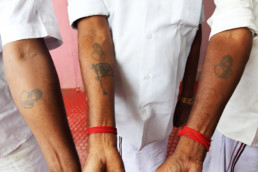
Indian Ink is a tattoo guide through India's tattooing popular culture. On a sweltering summer morning in 2016, D. Pandiamall, a 52 year old money lender and political activist is sitting in the entrance hall of her huge family home in a suburb of Madurai. The room is bare but for images of Jayalalithaa Jayaram, a former movie actress who has just been declared Chief Minister of Tamil Nadu for the sixth time. Thousands of Jayalalithaa’s followers, well known for their absolute devotion, have had her face tattooed on their forearms in mass ceremonies designed to consolidate a very Indian type of personality cult.

D. Pandiamall juggles two smart phones, calling her party faithful. “I am the 13th ward counsellor of the AIADMK in Madurai. Our members will show you just how dedicated we are to the cause.”

Jayalalithaa led the AIADMK (translated as All India Anna Dravidian Progress Federation) from 1989 until 2016 and became incredibly popular with women. But the strong woman who broke the glass ceiling also spent years in court fighting allegations of corruption. Yet Jayalalithaa continued to receive unconditional support from her followers, some of whom are known to literally walk across burning coals for their party boss, drawing her portrait with their blood and having her face tattooed on their arms.

Indian Ink
Soon D. Pandiamall is joined by three card-carrying party members. Panneer Selram, 62, Radha Krishnan, 49, and M.A. Pandi, 47 claim they are ready to lay down their lives for Jayalalithaa. All three men have their leader’s portrait and the party’s emblem tattooed on their arms. Selram also wears a tattoo of the face of M. G. Ramachandran, known as MGR, another Tamil movie star turned chief minister.
Proudly showing off his faded tattoos, he remembers getting inked in 1977. “MGR wanted to test our loyalty. He wanted to show our rivals just how determined his followers were. I had his portrait applied during the first party's mass tattoo ceremony. »
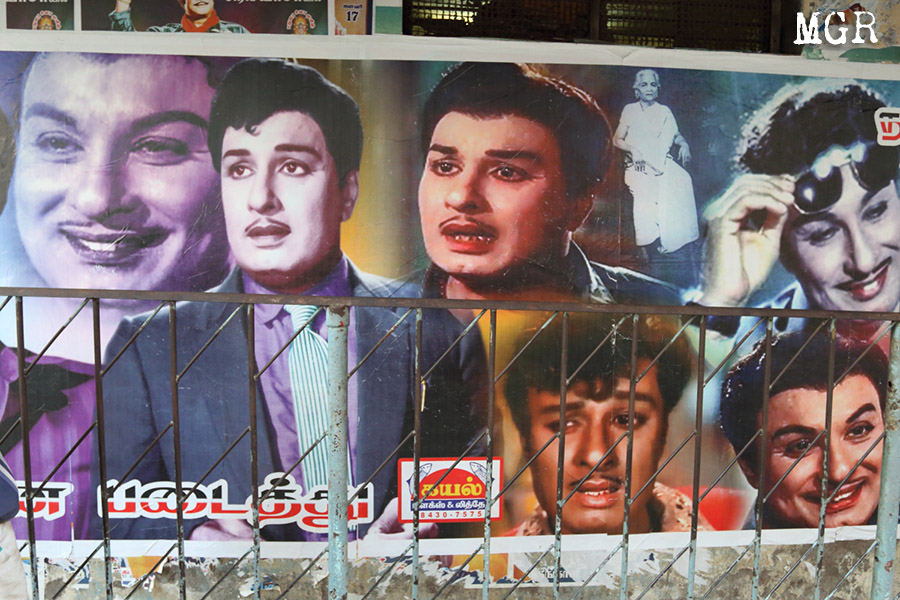
MGR encouraged many more of his followers to get tattooed. Soon after his death in 1987, Jayalalithaa took over both the party and MGR’s tattoo tradition. On her 68th birthday in February 2016, a thousand volunteers simultaneously had her face tattooed on their forearms.
Selram adds, “We are ready to face anything for her,” as he flashes two large rings bearing the image of the chief minister. Selram’s statement is anything but glib. Following news of Jayalalithaa‘s death on December 5th and the state’s political future in limbo, some of her most devoted followers committed suicide.


Lea Nahon
Text and pictures : ©P-mod
Translation: Armelle Boussidan
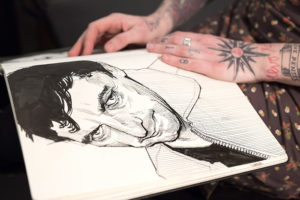
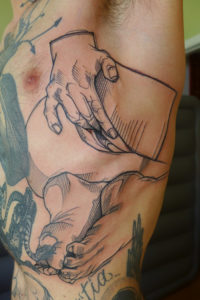
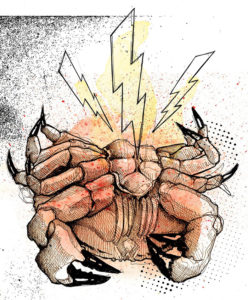
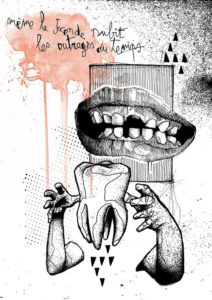
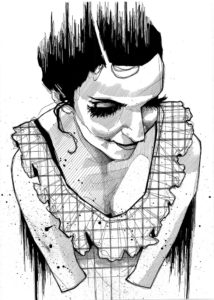
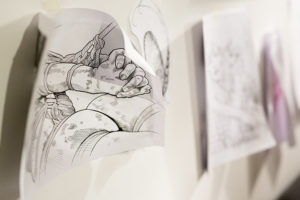
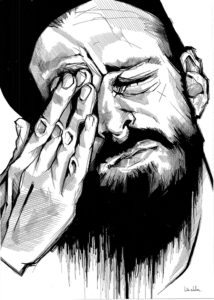
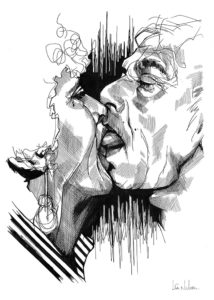
Léa Nahon has been at the helm of her ship for fifteen years. Sailing with raw lines, she intertwines raw eroticism with spontaneous instants in her universe, transposed all the way from her sketchbooks to her clients' skin.
Over a passage on her rowboat, the "blackworker" tells us about her Belgium, her experience and her numerous future projects which are just like her: unique and authentic.
You seem to have withdrawn for a while before you came back full power, is there a particular reason for this?
Withdrawn may not be the right word for it, but I had to slow down indeed. I had been on the road for years, in trains, planes and cars, sleeping in hotels and on friends' sofas, never really taking it easy at home. I was tired. Tattooing demands constant work and being on the road is great but I didn't have much time for friends and family. My mother had to book appointments with me to have lunch and my brothers and sisters were getting birthday presents via the Los Angeles post. It did not replace physical presence. So I decided to slow down. I stopped going to conventions for a year or two. I had to make a clear cut or else I would have made an exception out of every event. I re-discovered the pleasures of reading a book, watching a movie without drawing at the same time or going for walks. I also slowed down on appointments. I did not need to work that much, I was just scared of disappointing my clients. Tattoos and clients took priority over my relationships and even my health. One has to get out of the spiral to realise how mistaken they are. Since then I have started conventions again, I work less but better, and I have learnt to take time for myself and my family and friends.
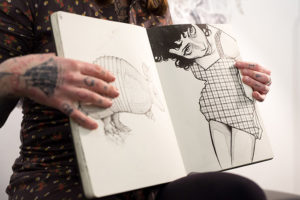
Throughout your sketchbooks and tattoos, you grasp instants that could be found in Nan Goldin's photography or in Egon Schiele's self portraits for instance, what touches you in the works of these artists?
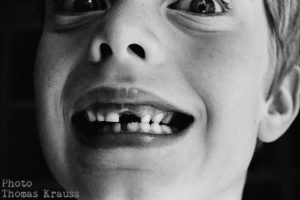
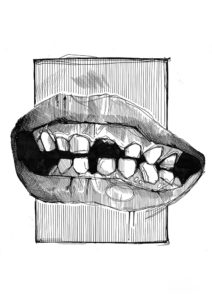
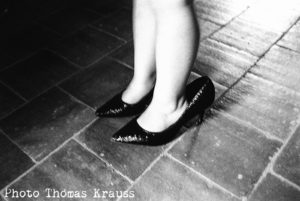
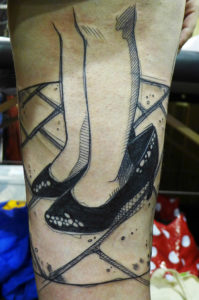
Their spontaneous aspect, precisely. Goldon's pictures freeze a moment that has not been chosen by the model, a bit like Schiele's portraits, as if no one was posing, or as if the models were not aware that they were being pictured or drawn. I work from photos, and apart from pictures by Thomas Krauss and a few others, I use my own pictures as a basis. Which means my friends and family. I take pictures all the time, and some, which could look like bad pictures, give me a great working basis. It is the absence of pose that I liked in those two artists and that I reproduced without really realising.
I also like mistakes that lead to great things. But I have to admit that this technique is convenient, for tattoos in any case. If my client moves, no problem, we draw a line aside and here it is, it looks great! There is at least 50% of laziness, but I like the result better than if I were making it all polished, and my clients seem to appreciate it, so everybody wins!
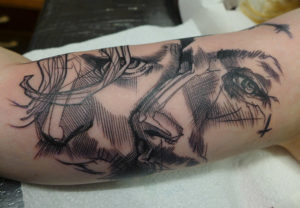
You have been collaborating with Thomas Krauss for a while, could you tell us what touches you in his photographs and what nourished your collaboration?
I met Thomas posing for him and seeing the result of his pictures with other tattooists. It's weird, even though he asks people to pose, he still manages to obtain a spontaneous feeling, as if the model was about to say or do something. It is never frozen. I like it even more when he takes pictures on the spot, when he hangs out for hours until we don't see him in the room and he comes back with fragments of life of which we were not aware. These pictures are hard to draw, but they are gold to me!
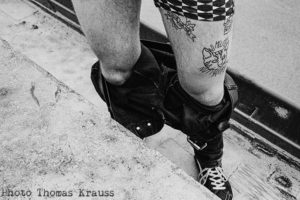
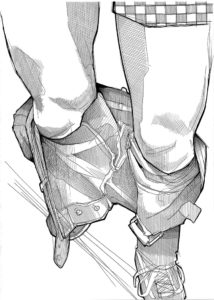
Do your clients generally see the intention you have put in your sketches when they choose a tattoo?
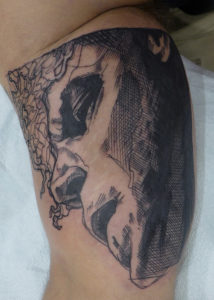
No, that's precisely what I like. I never put a lot of intention in my drawings, there is nothing thought out, it all depends on the picture I find. That's why it's hard for me to follow a guideline for my drawings, because the theme does not really depend on me... If I see a picture pass by, whether it's in a book or online, and I like it (the angle, the person's expression, the position, etc...), I put it aside and I draw it. My clients sometimes find very deep things in my drawings because they remind them of something, someone, whatever it is. I prefer to let them come up with their own interpretation, their story will certainly be more interesting than mine!
What's your outlook on the tattoo world and its evolution since you started 15 years ago?
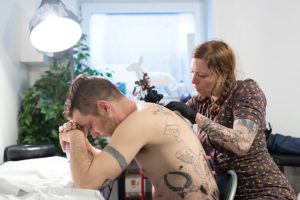
I come from the old school where you have to know how to do everything to survive in this job. A good tattooist should be able to answer all types of requests. We did not come to tattoos because it was cool and made money. It was rather the opposite. Years of cleaning without getting a cent, hours welding needles, inhaling acid fumes, doing the dishes, sterilizing tubes, and after all that, hours of drawing, in all styles. No time to work on one's own style or draw one's desires. It was hard as hell, nothing to do with the glamorous side associated to it today!
I'd like to think that I contributed to the fact that tattoo artists dare to get out of imposed codes and try new things on people's skin. I managed to develop this sketch "style" after having drawn a lot, after having studied various objects, animals and human bodies, in all styles.
I have only been tattooing my own drawings for two years. Colleagues like Yann Black and Joe Moo (to name but a few) are great designers, and they decided to come back to this clean style that we are familiar with. I think that a lot of young tattooists do what they know how to do and call that their style, out of disappointment rather than choice. But paradoxically, crazier and crazier styles come out of these new tattoo artists' work, ideas that nobody had before because they were too stuck in a "tattoo" set of mind, and I think this is great. I am surprised everyday by new things I see online and I ask myself what they will come up with next, how far it will go?
Tattoo has completely changed these past ten years, but in a good way. And people get more and more tattoos because they were waiting to be offered such things, not just because tattoo is on TV.
What aspects of your experience have comforted you in your choices, and what things won't you do again?
I am comforted by the idea that hard work pays off. I am not talking about money but about standard of living. All these years on the road not knowing where I was going, meeting a maximum number of people and attempting to gain recognition in a quite peculiar universe, have shaped me. I can afford to work a little less (I went down from 4 to 2 tattoos a day, yesss!) I can (almost) only tattoo my drawings, I work with people I admire a lot, all of this would not have been possible without all these years of continuous work. And I have a lifetime of memories!
There is nothing I would not do again, let's say that in some cases I am happy that ridicule never did anyone harm!
Could you talk about your link with Belgium?
It is a strong link I entertain with Belgium! During years of travelling, every time I came back to Paris, I was telling myself it was still the most beautiful city in the world and I had never found anywhere where I felt better. Until I went to Brussels.
I grew up in Belleville, a very popular neighbourhood. But cities change. And I found in the Marolles (the old Brussels where the Boucherie Moderne is), the atmosphere of the Belleville of my childhood, with the old market and the grandpas' drinking white wine at 8 am. Through going there back and forth, I ended up settling there.
And then the city also changed, and I followed my bloke to Liège where I found this outdated atmosphere, with cobblestones, old factories and an incorrigible punk atmosphere that make Liège the city of all dangers if you have a tendency for alcohol and drugs. It's not called ToxCity for nothing!
Between your boat, the Factory and England, you have lots of new projects in store, could you tell us about them?
Yes, a lot of projects indeed!!!
Let's take them in order. First the boat: I have bought a superb "small" 18.5 yard tug last may. The initial project was to have a tattoo shop in it, since I didn't have a shop to work in, in Liège. But the works may last at least another year hence the next project of the Factory. We worked on it all summer, having barbecues on the docks (bathing in the canal to freshen up), so I can't wait for warm weather to start again.
I haven't abandoned the project of tattooing in there. I really want to do some mobile tattooing with it as soon as it will be in water, but first around Amsterdam and this area.
And then the Factory will open its doors in June 2016. When I saw the place for rent with my friend Sabina [editor's note : Sabina Patiperra - Psychodermo, Namur] who tattooes in Liège, we had a crush on it. If it were an umpteenth tattoo shop in Liège we wouldn't have done it, but this place comprises a gallery separate from the tattoo space and that is what we really liked about it. So from June onwards, exhibitions every two months, tattoos, and finally a bit of stability!
And as soon as stability won't be a novelty any more, I intend to cross the channel to settle in Brighton for a while, where I regularly work. There, the boat will become a home. But we are not there yet...
So, a new challenge with the management of a gallery. What are your objectives with this opening? What would you like to defend?
I think we are going to take things as they come. Logistic problems will come soon (communication, repainting the walls after the artists have ruined them, etc.). But indeed there are things that are important to us. We will put on an exhibition every two months (our agenda of conventions does not allow us to have them more often). A small percentage will be taken on the sale of artworks, and it will be entirely donated to a different charity each time.
This side of things is very important to us. I find that the world of tattoo makes enough money so that we can make things change, even at our little scale. We have walls, and therefore a space open to free speech, which is already a powerful weapon, if we can also lift people out of poverty while partying, everybody wins.
You are signing the opening exhibition with Köfi, who are you planning on inviting next? Artists from the new generation?
After this exhibition, there will be another one in August with lots of artists from Liège, tattooists or not. A big melting pot of all that is made here, in all styles. And from the beginning of the school year, Piet du Congo, Franky Baloney from the Requins Marteaux, and Elzo Durt. It takes us to 2017, so after that we'll see. So everybody is welcome, new and old generation. And if we can make people discover new talents, even better!
With all these projects, are you going to keep on exhibiting in Europe in an intensive way, as you have done over the past years?
Yes, sure! The fact I'm based in Liège will allow me to draw more, so I intend on continuing with exhibitions and guest tattoos a bit everywhere. It's the perk with being two to open the Factory, we can take turns. The next exhibitions will arrive quite quickly after the opening, I will be in Nantes at Turbo Zero in October, and then in Toulouse at the Dispensary (probably in collaboration with Thomas Krauss) in December, and in Portsmouth, England, at Play Dead in January. And after, we'll see!
What can we wish you for the future?
Let's talk about it when the shop is open? At the moment, nothing more, please!
Report : Mondial du Tatouage 2018
Text : DHK
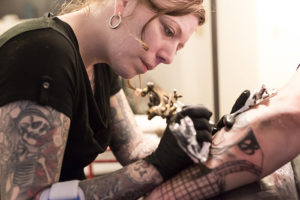
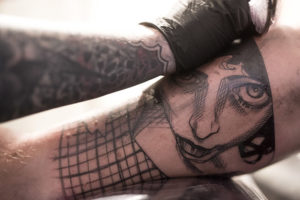
Le Mondial du Tatouage 2018: the postponement! ATC Tattoo is at the Hall de la Villette for the tattoo convention of the Mondial du Tatouage 2018. There are more than 300 tattoo artists but also a nice quantity of tattoos pricked. The whole, during this weekend of March.
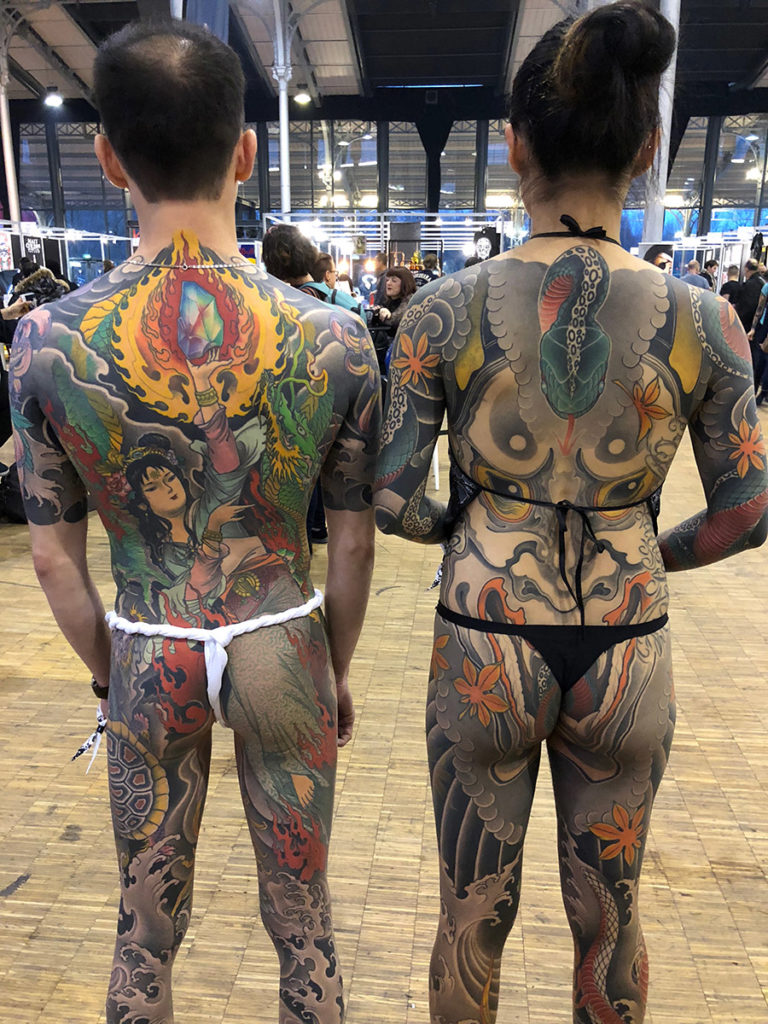
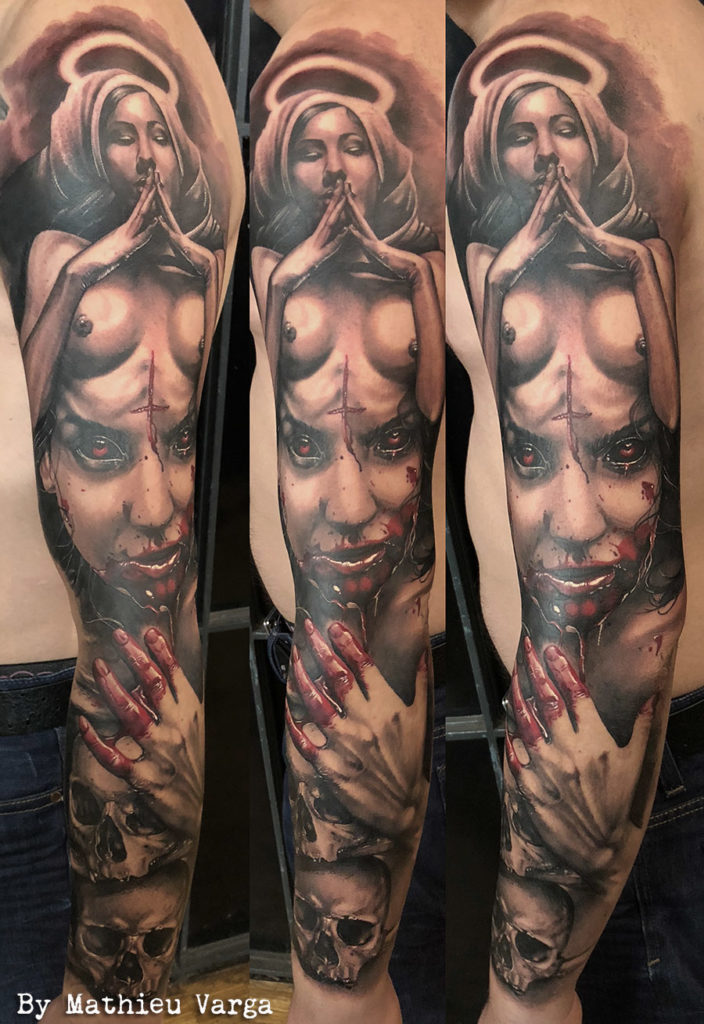
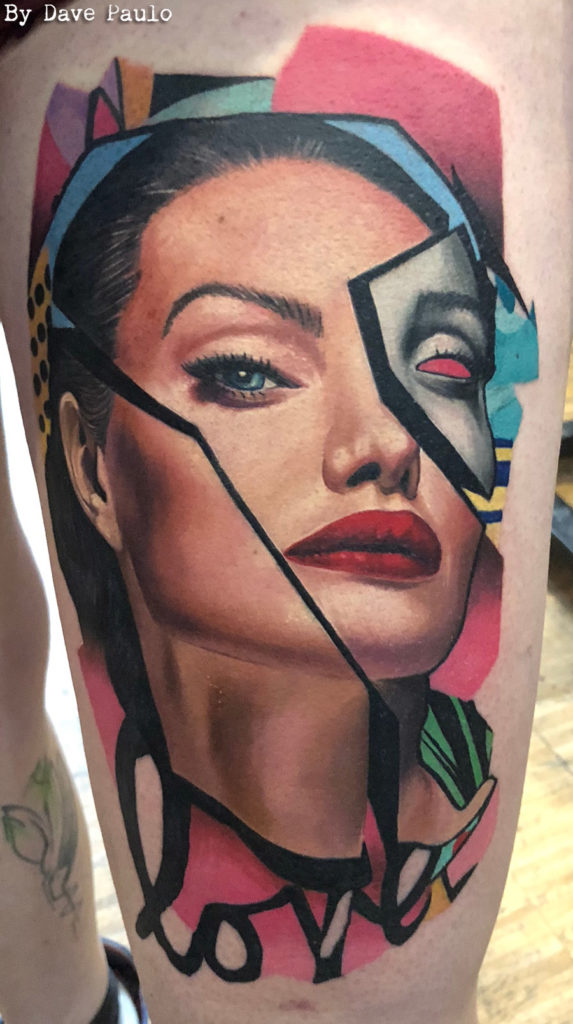
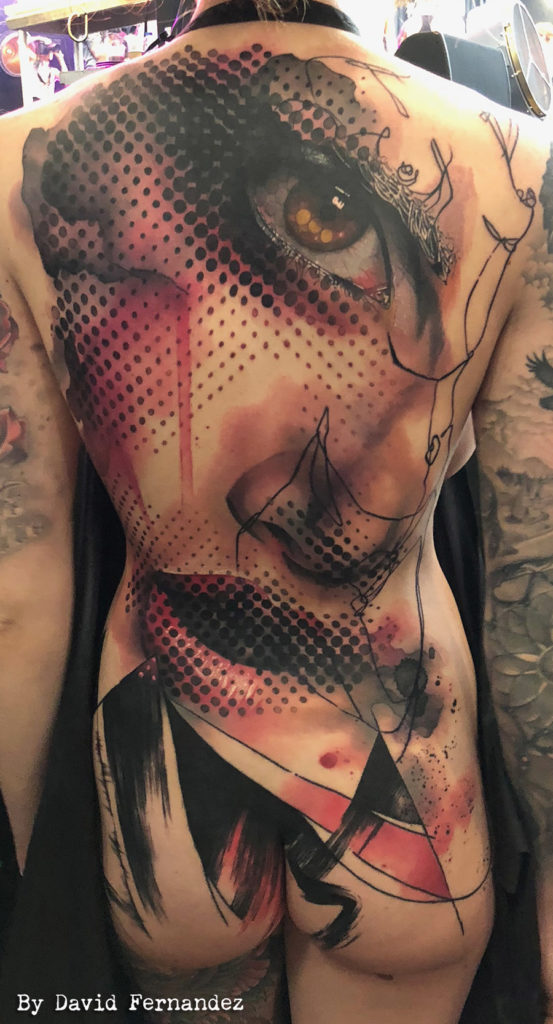
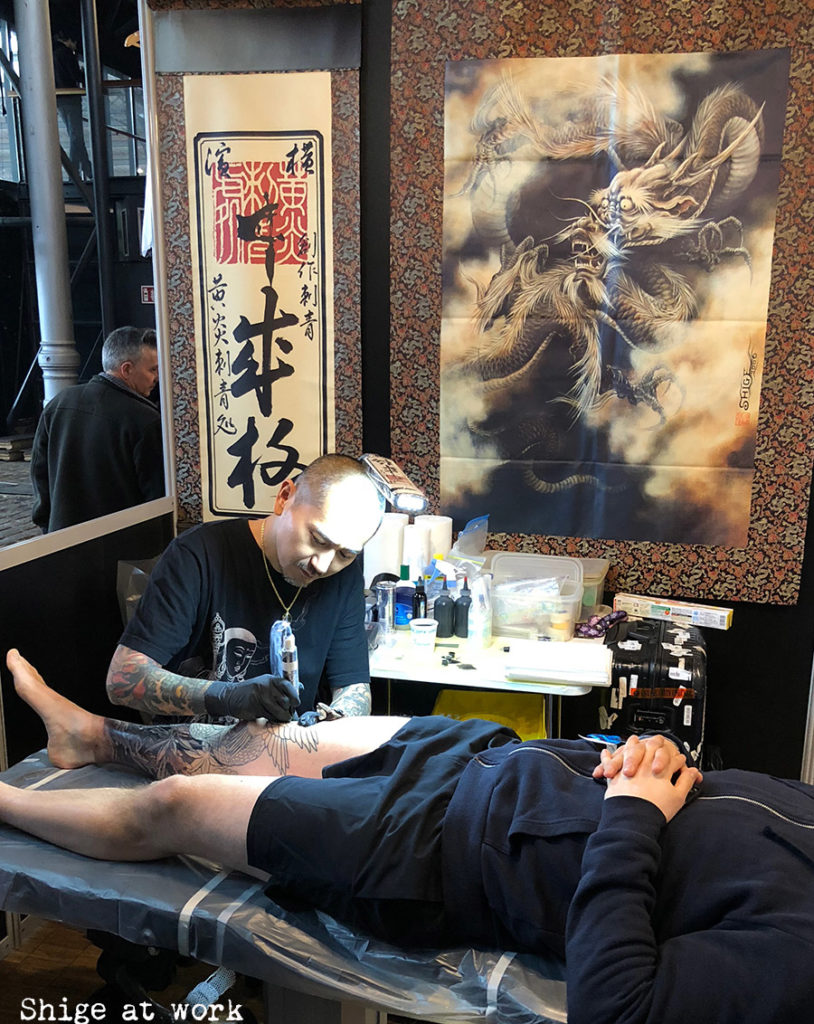
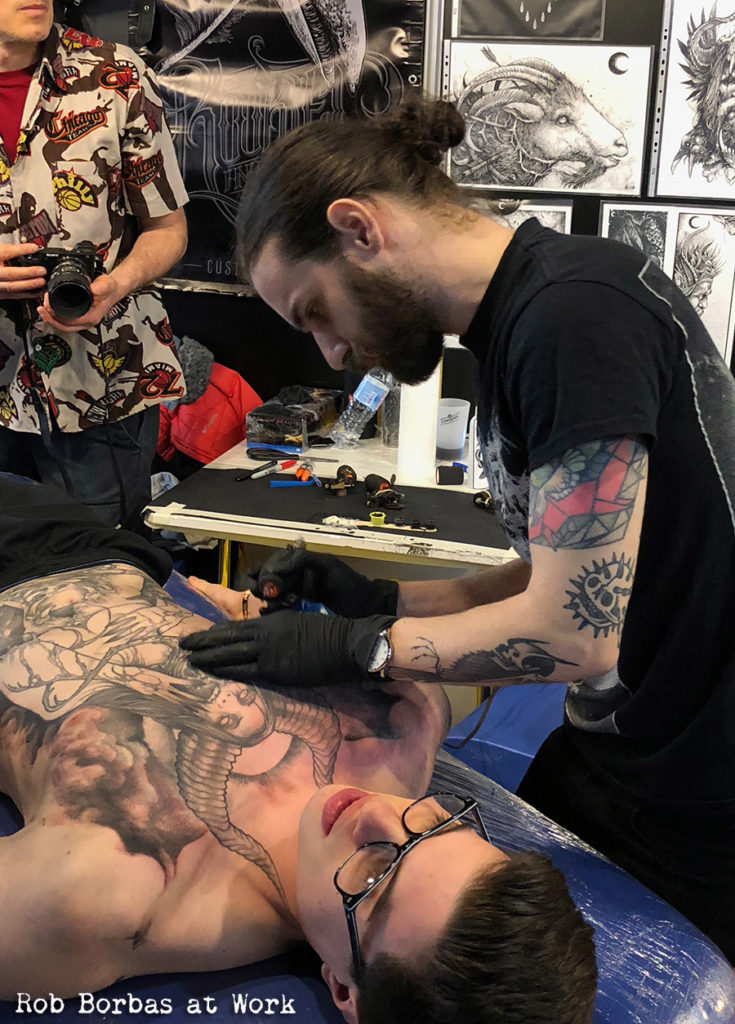
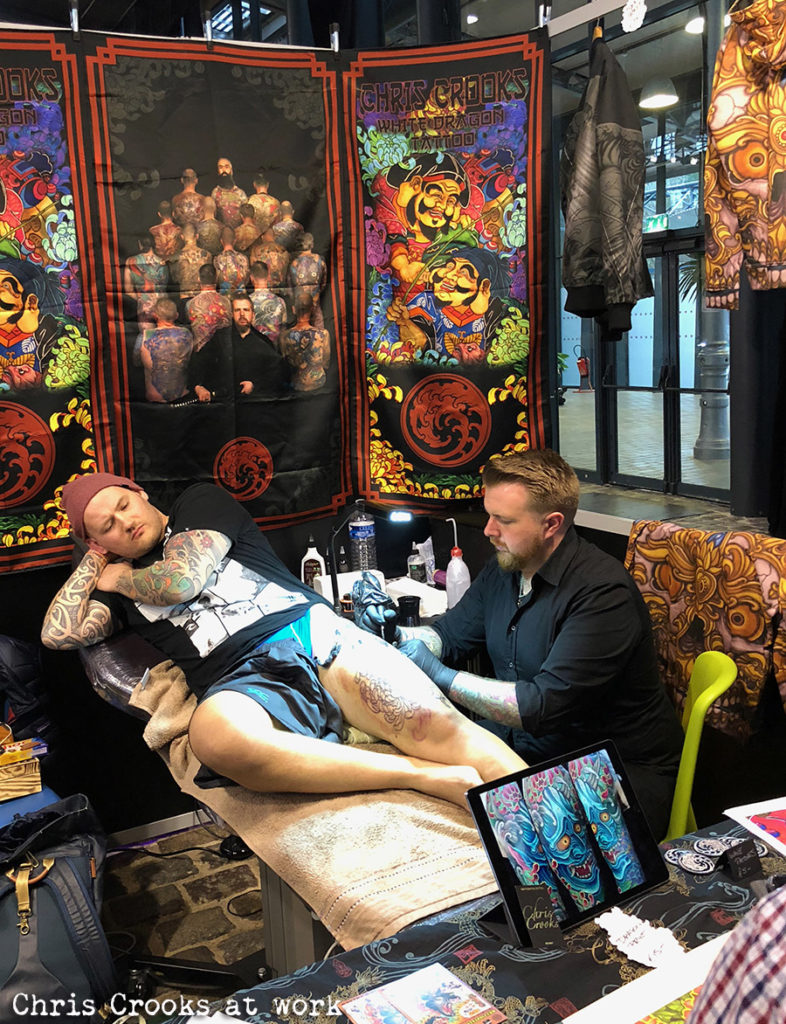
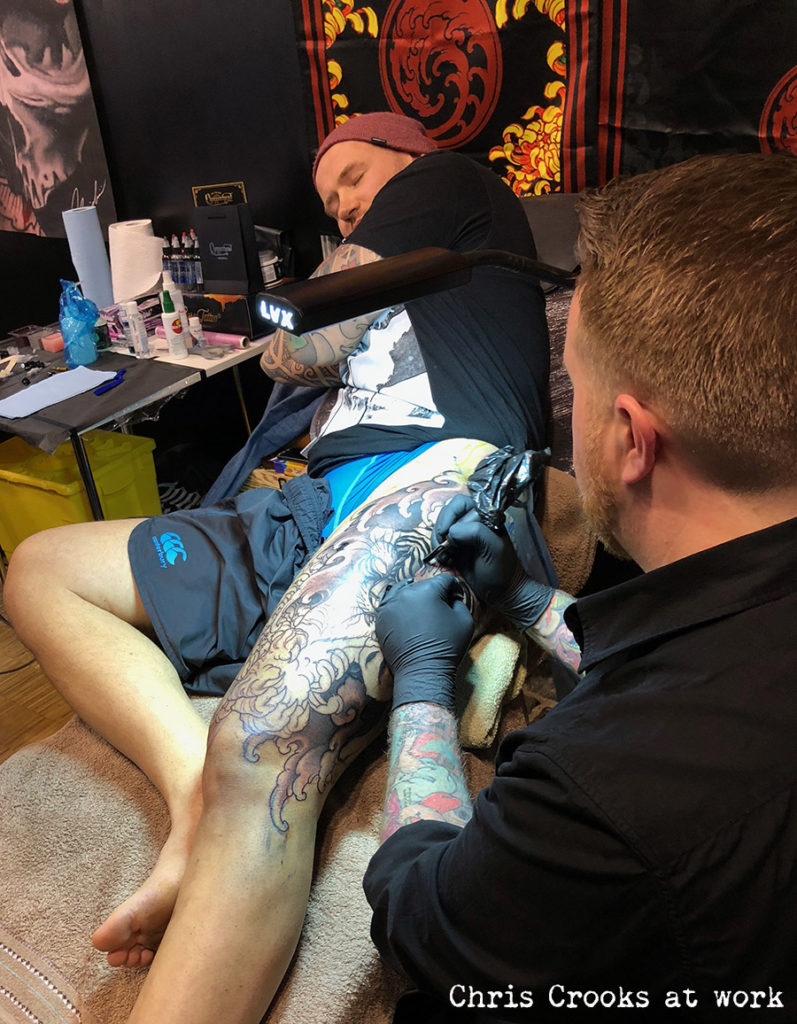
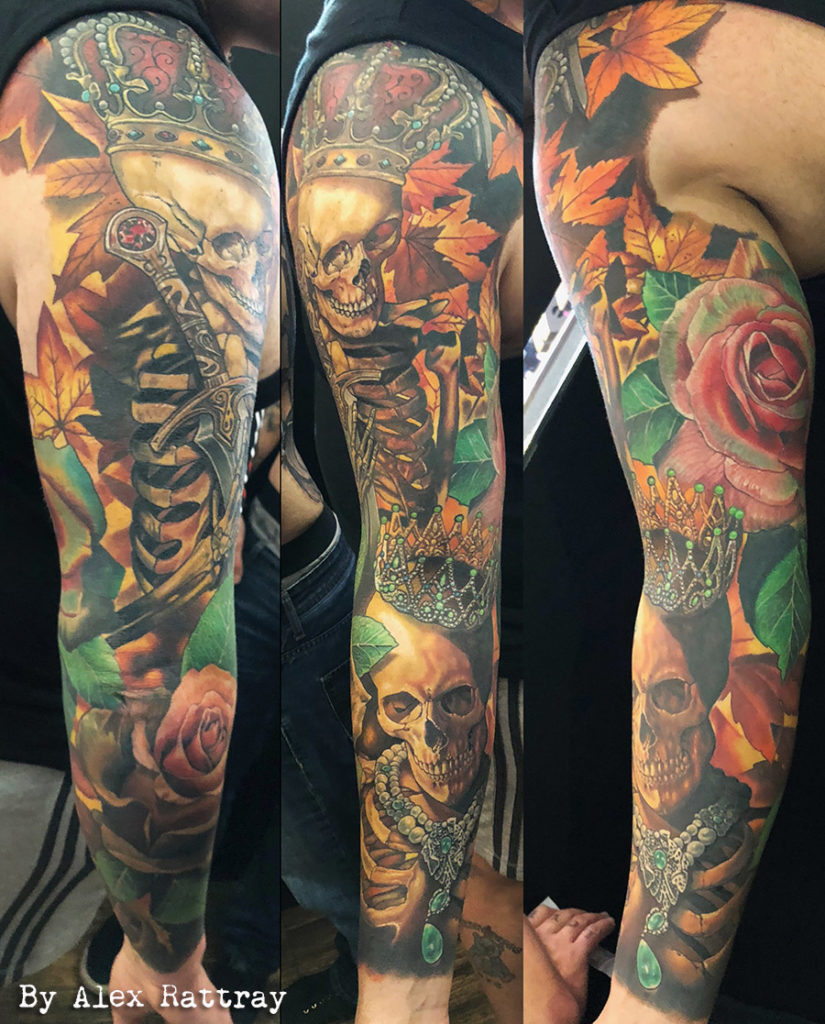
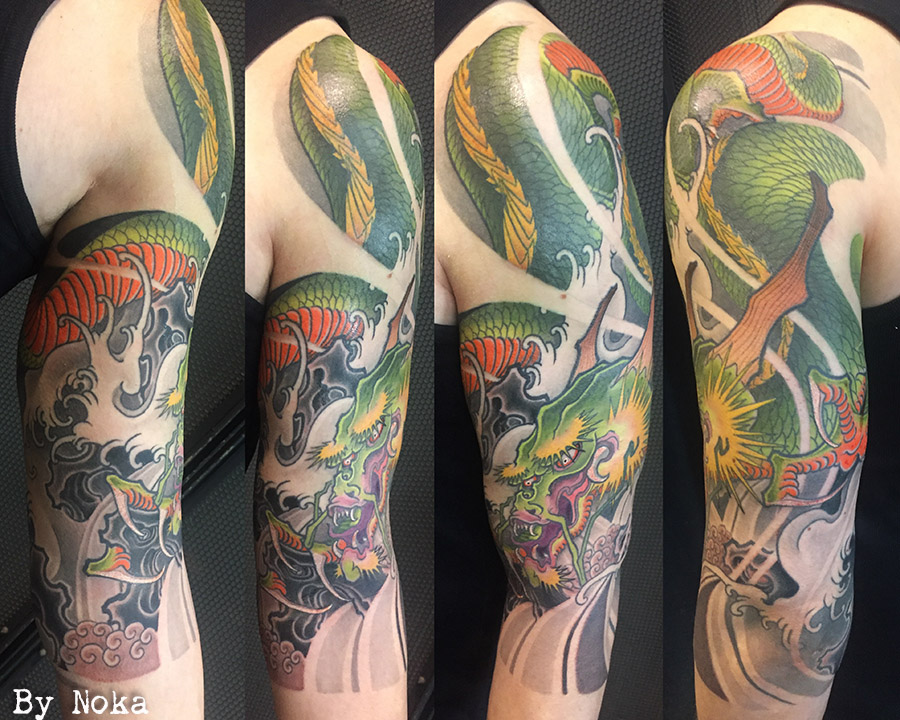
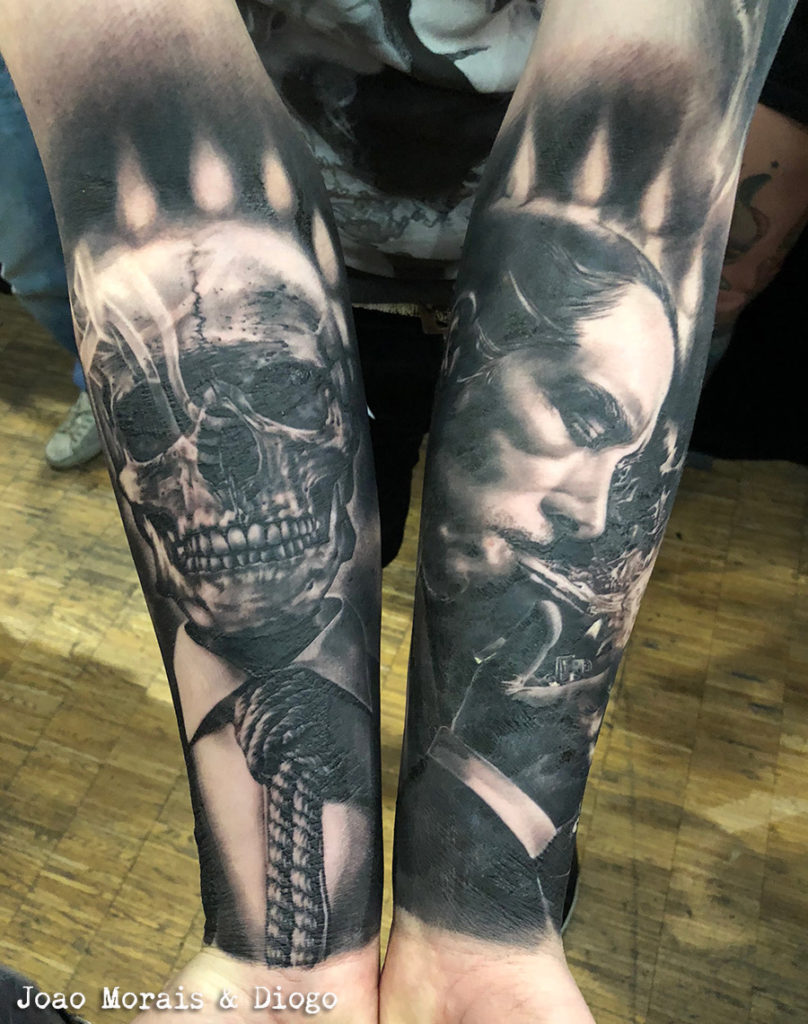
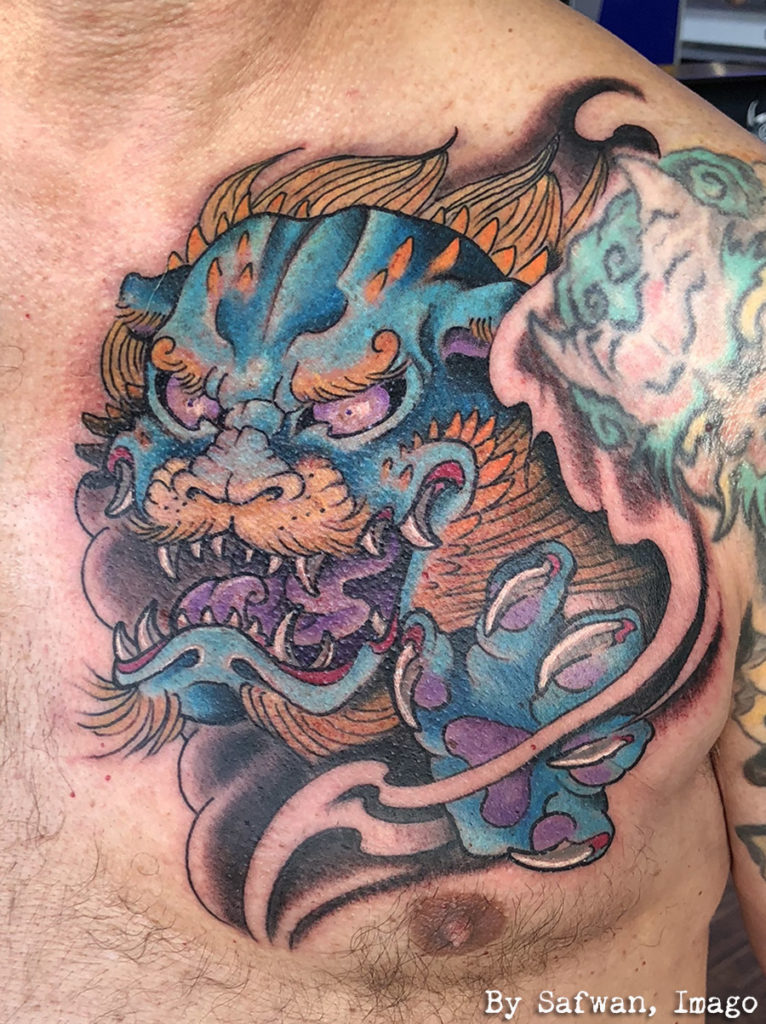
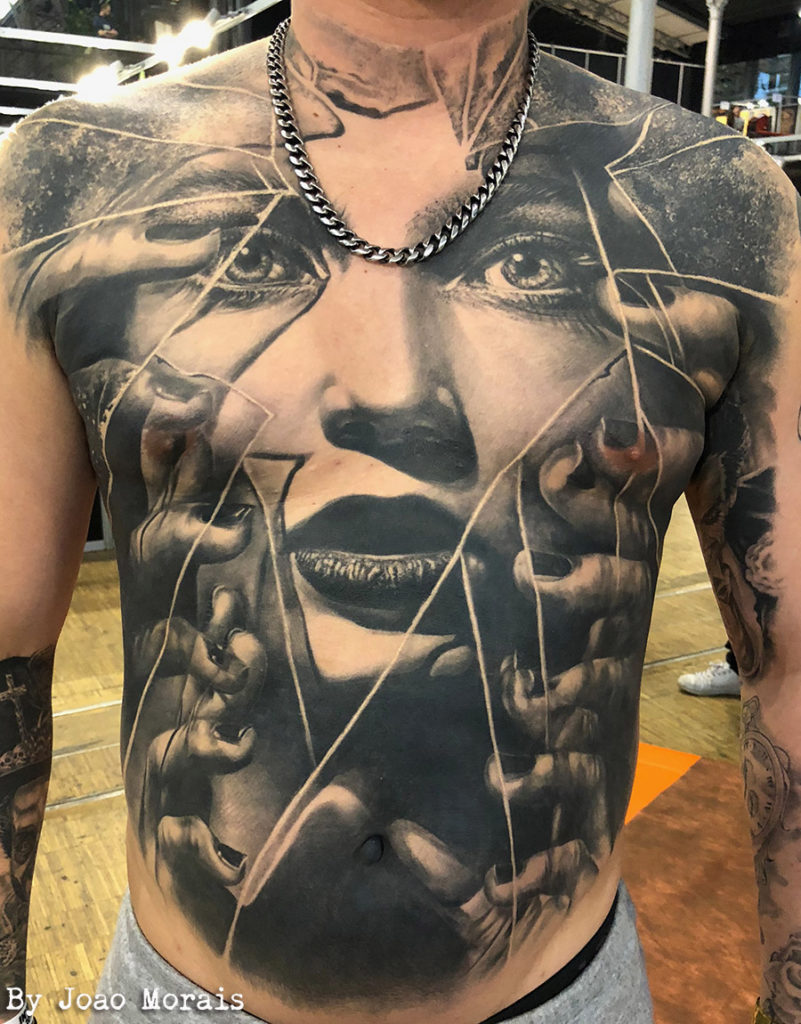
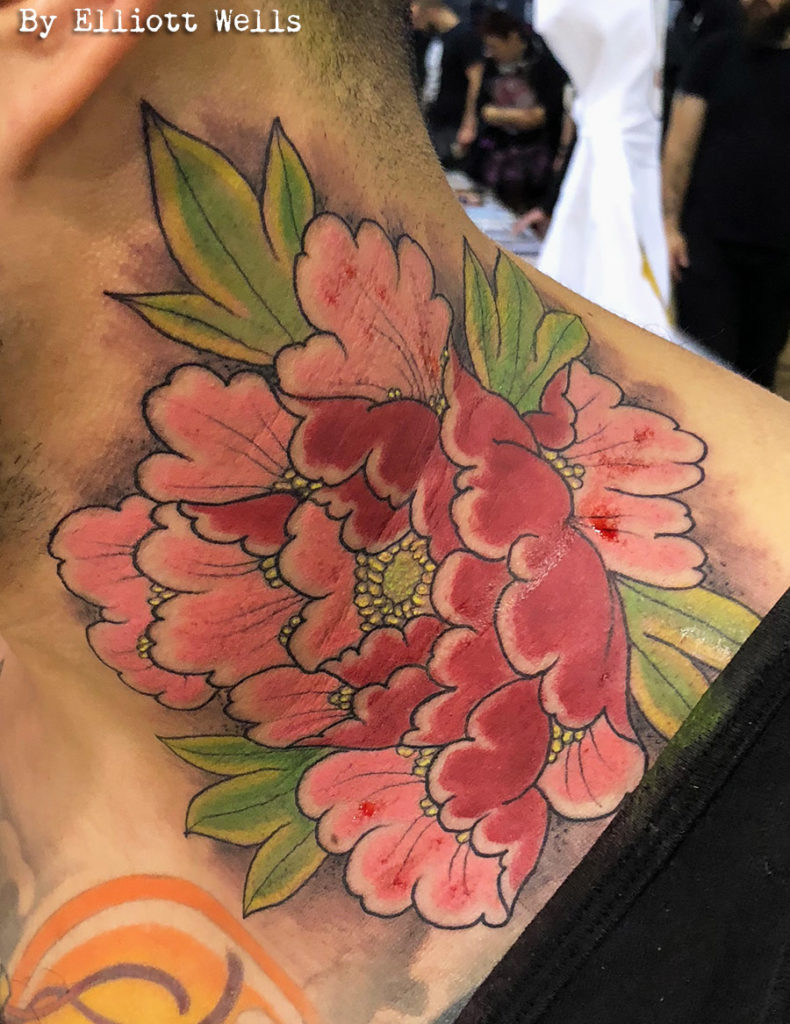
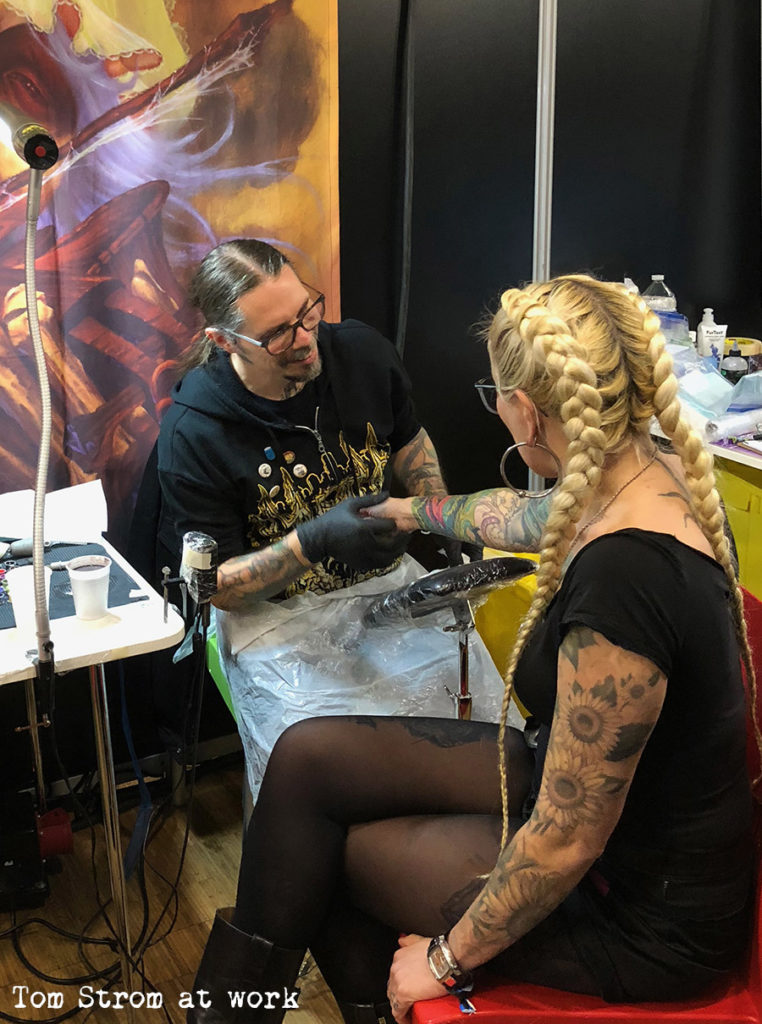
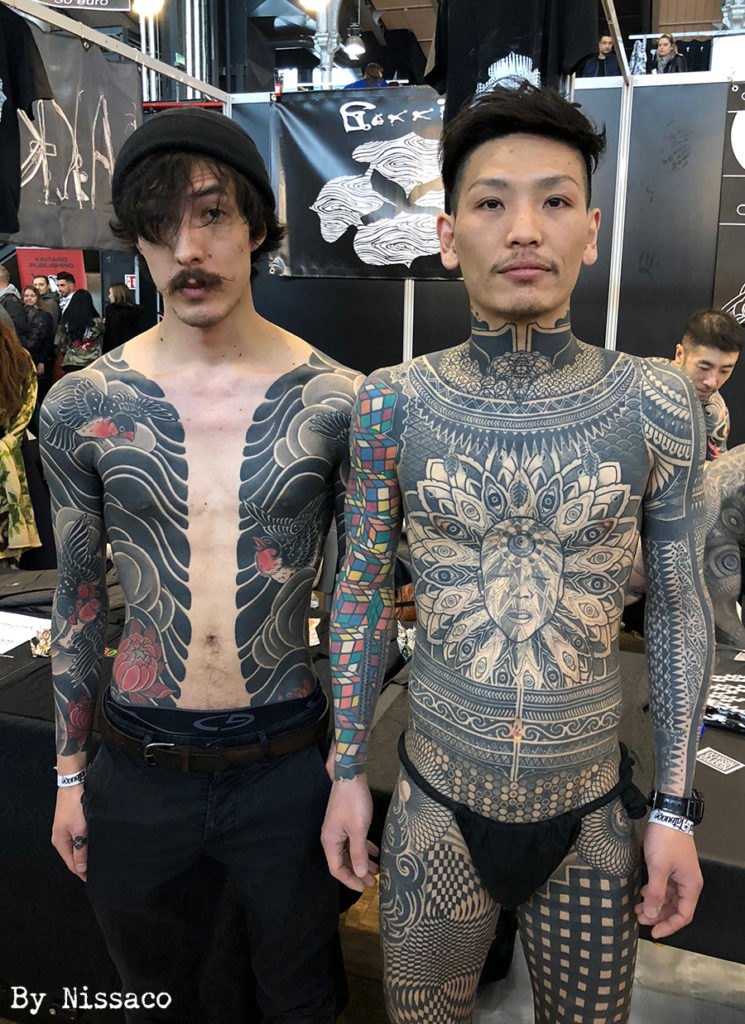
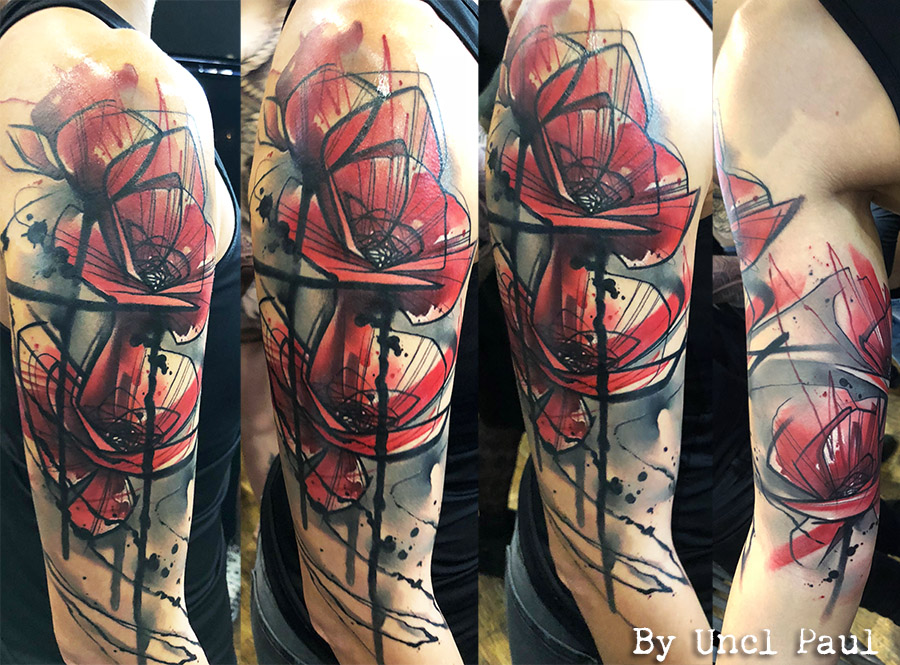
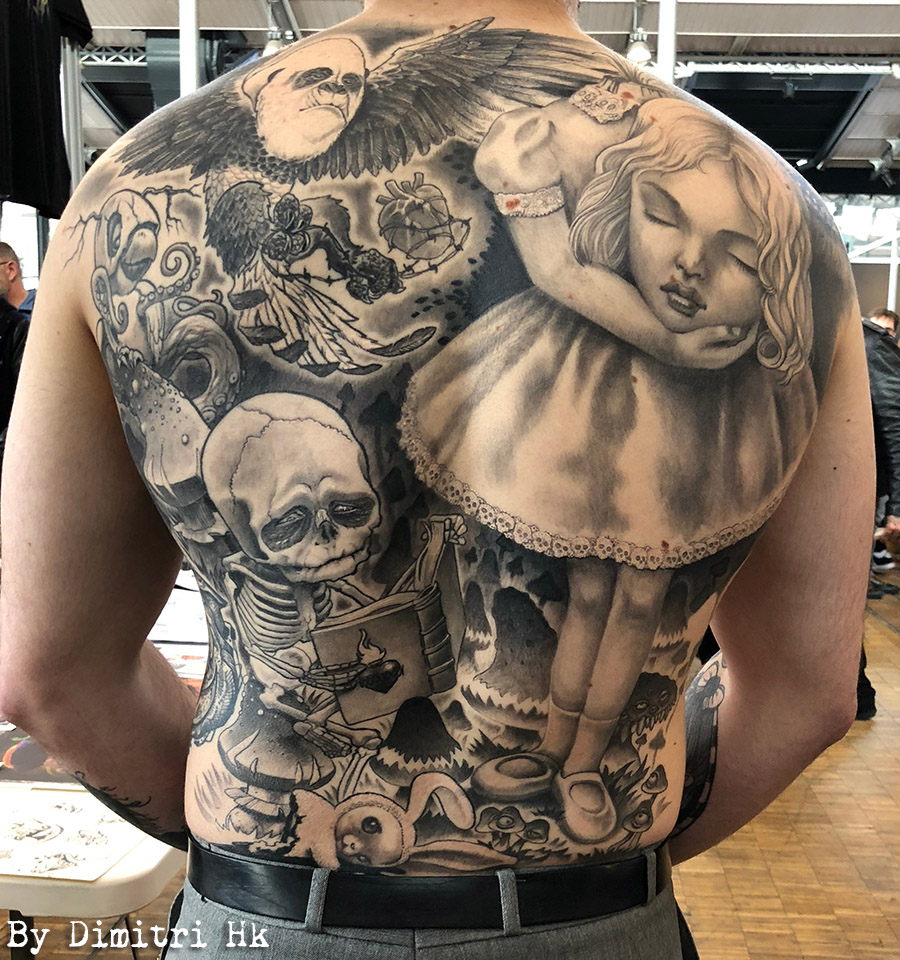
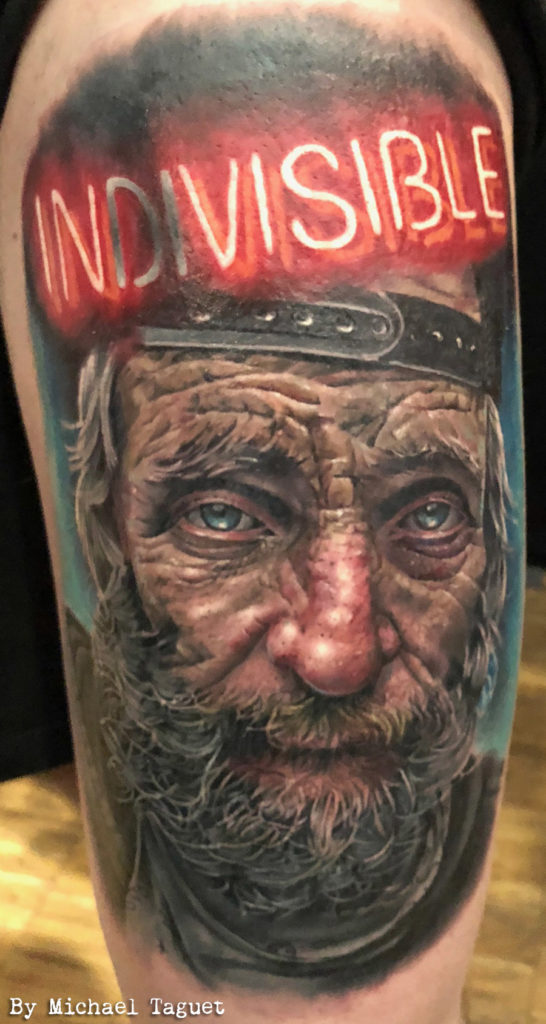
A tattoo convention like few others. The Tattoo World 2018, will have once again this year, filled our eyes. With a tired body and a smile on our lips, we're determined to go back to the Hall de la Villette next year!
Find this article in full, photographs and tattoos, on the application
ATC Tattoo
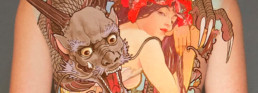
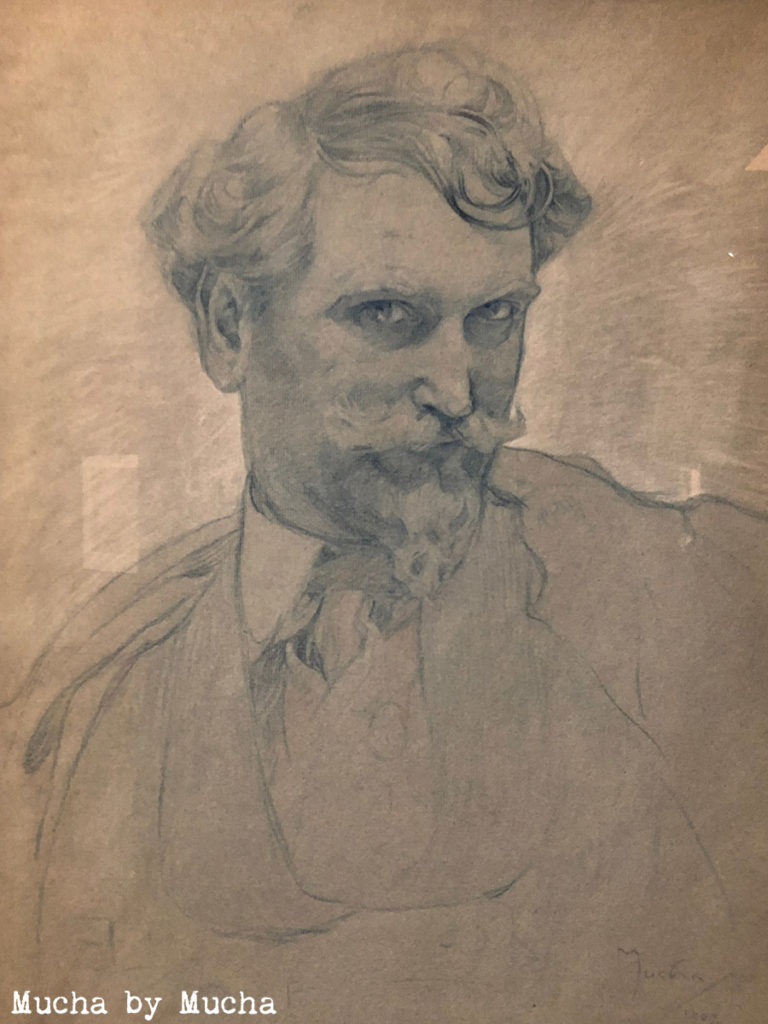
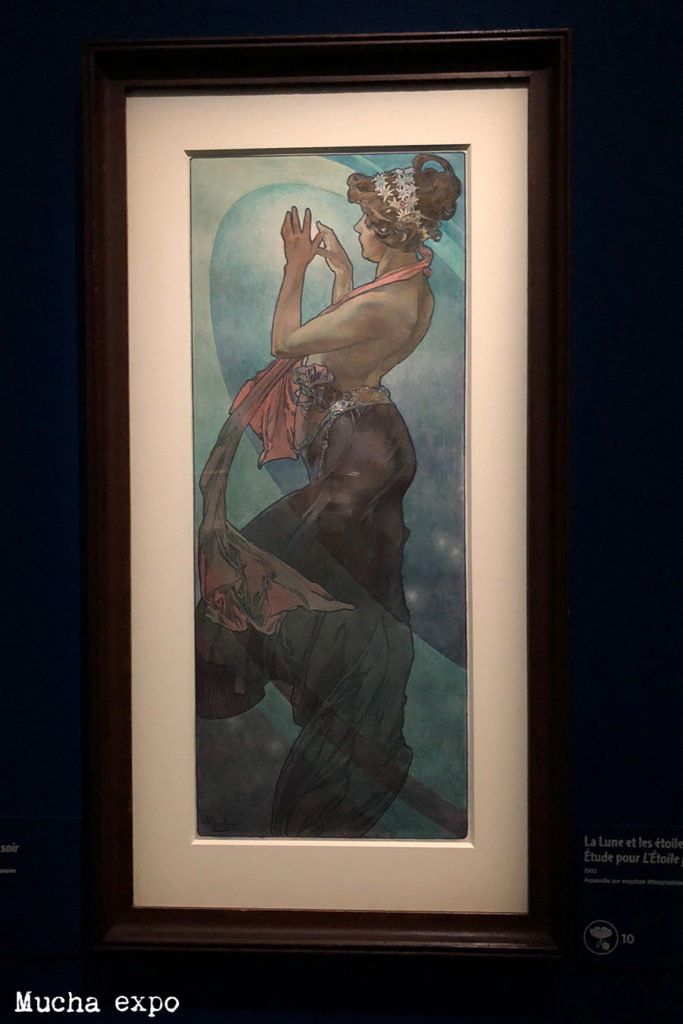
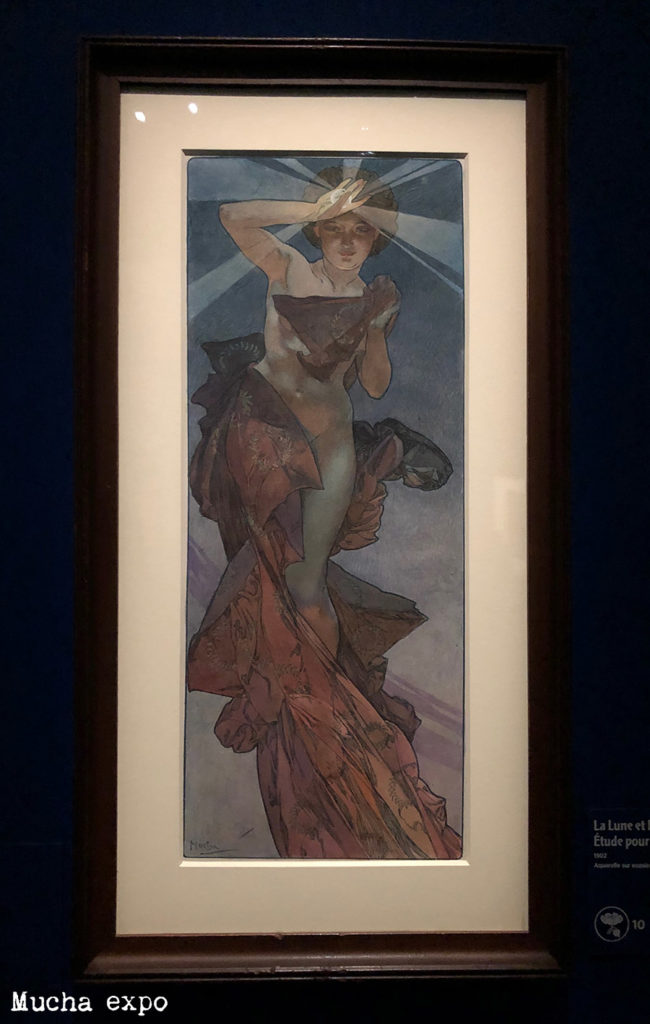
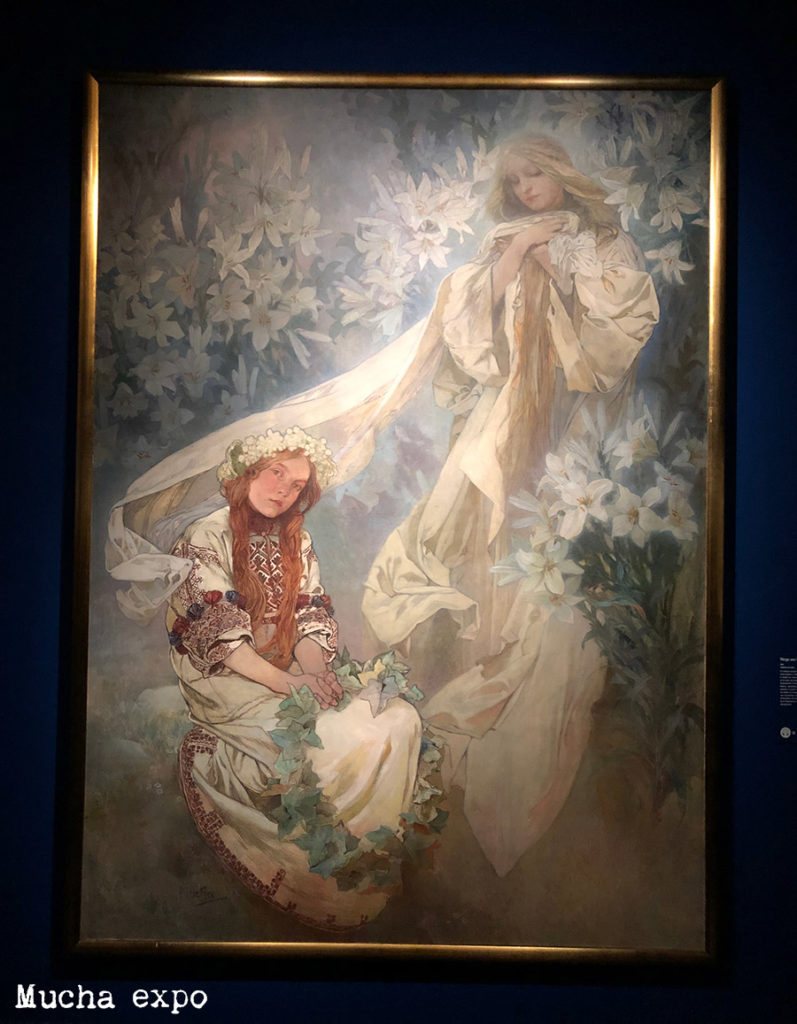
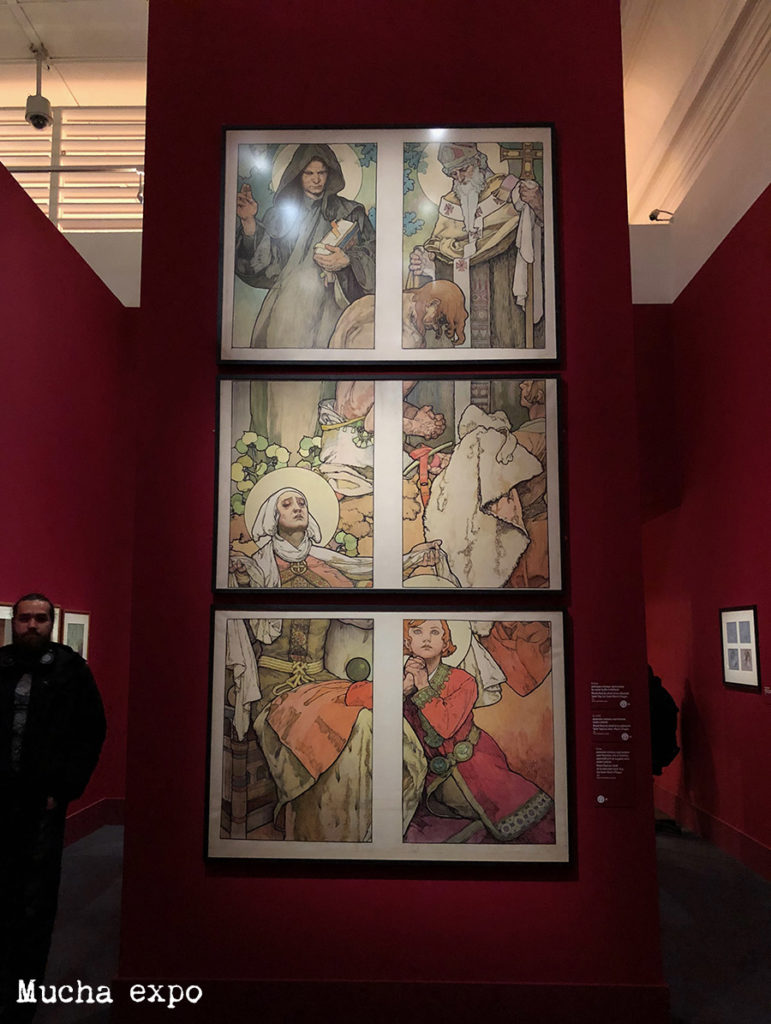
The tattoo in honnour of Alphonse Mucha
Par DHK
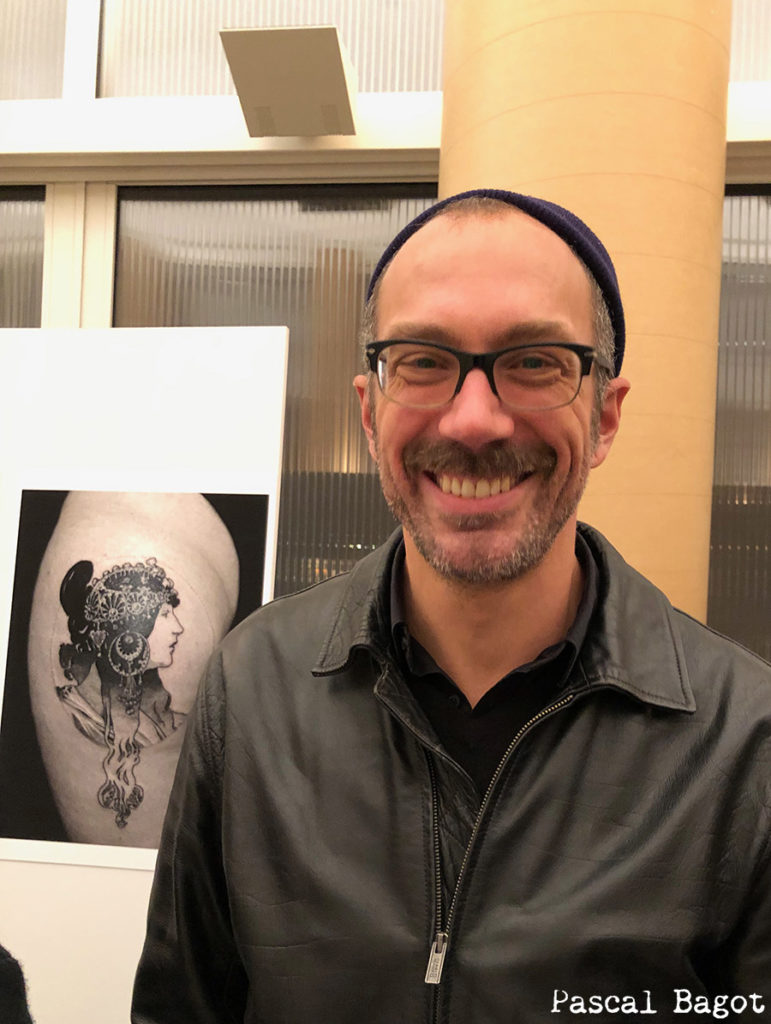
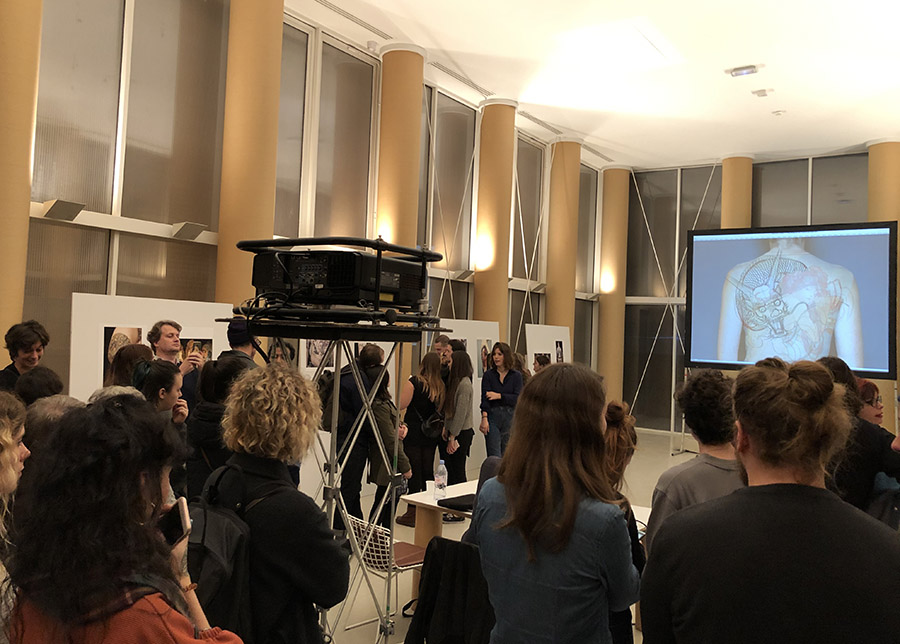
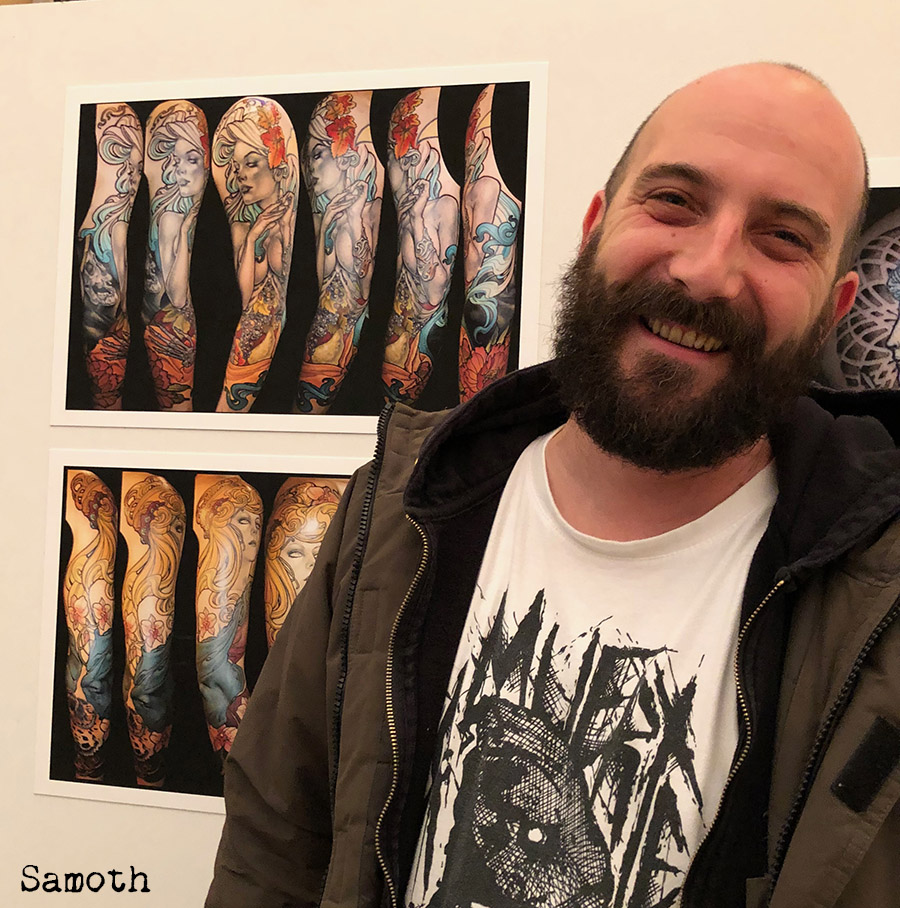
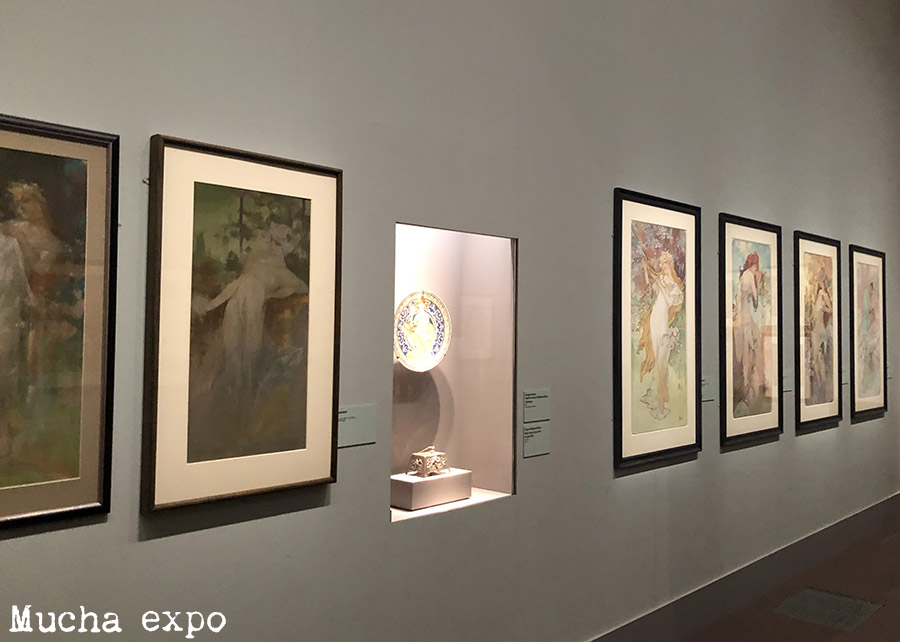
On Pascal Bagot’s initiative, a journalist specialisedin the tattoo press, the idea to invite tattoo artists totake over the museumin the 6thdistrictof Paris was born. A short-livedexhibition of tattoo photos on the theme of Mucha and a performance by Henrik Grysbjerg was organized for theoccasion. (Saturday november 24, 2018)
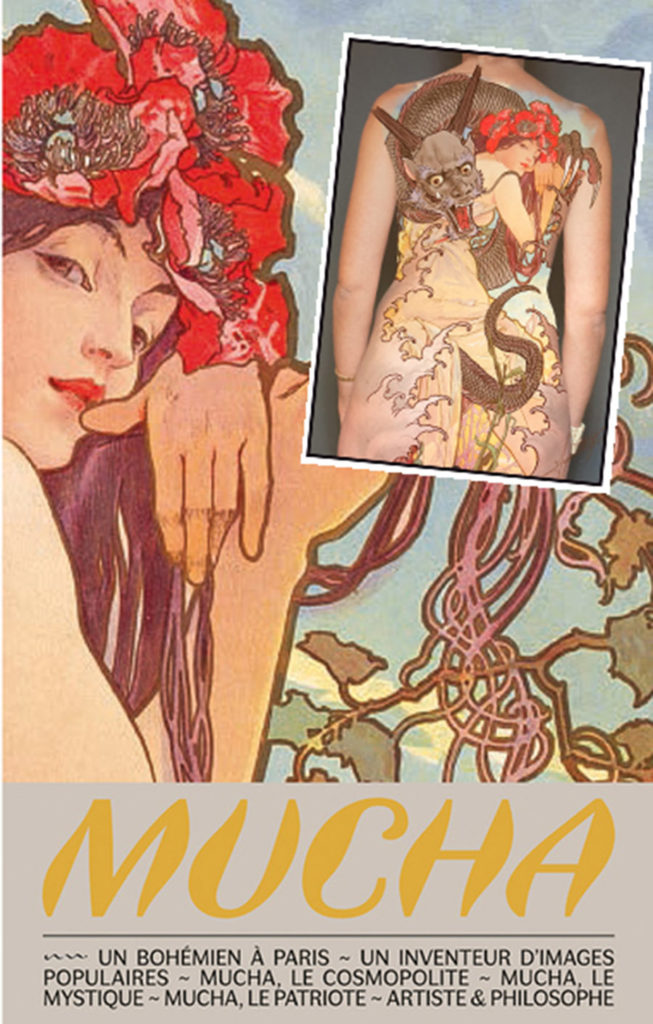
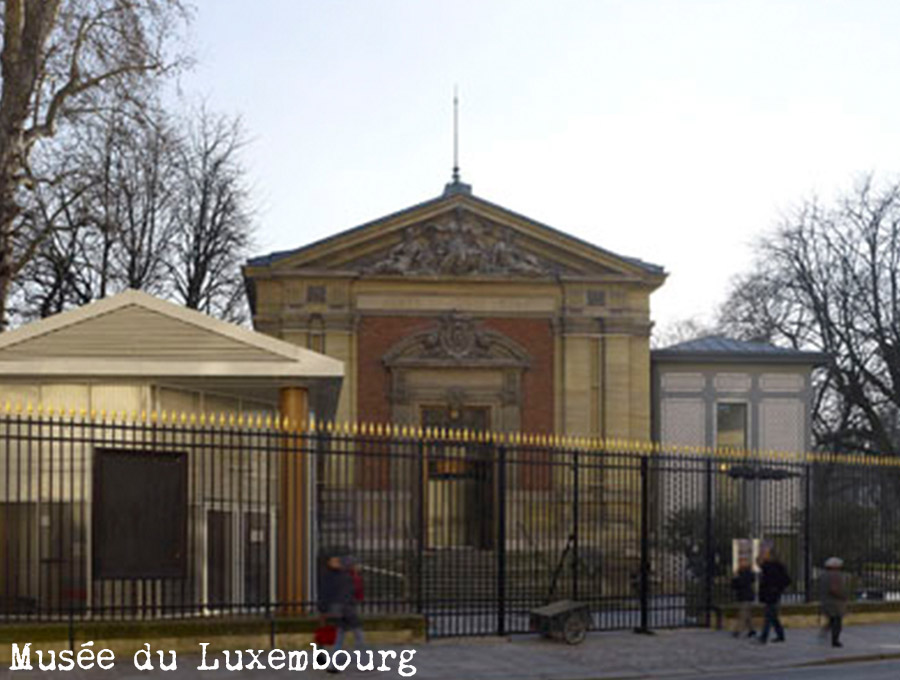
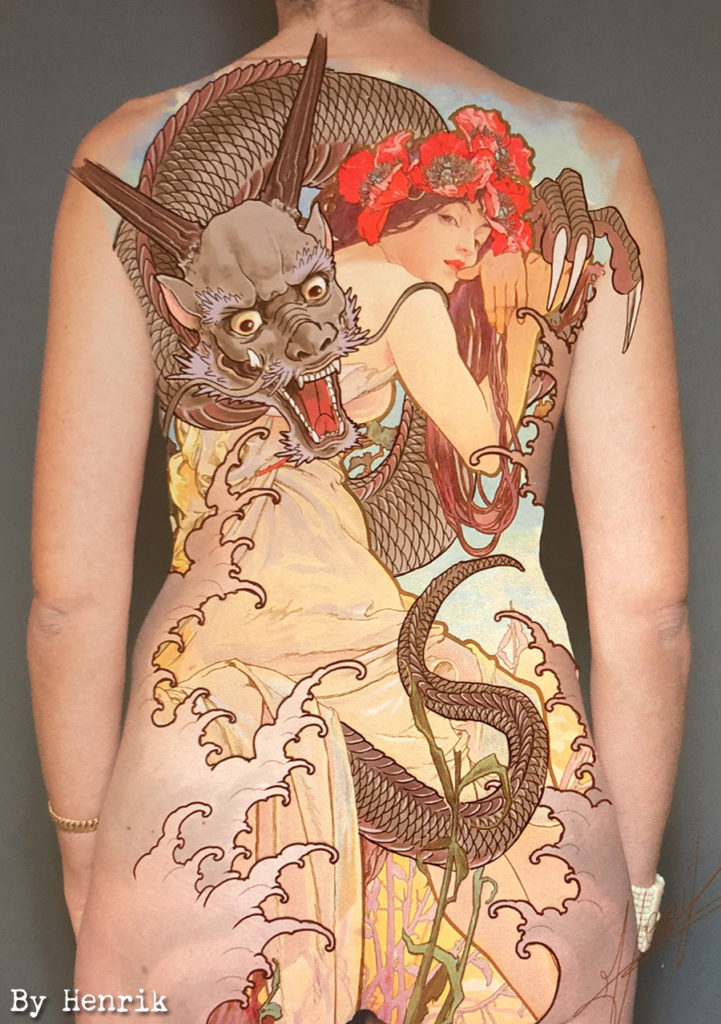
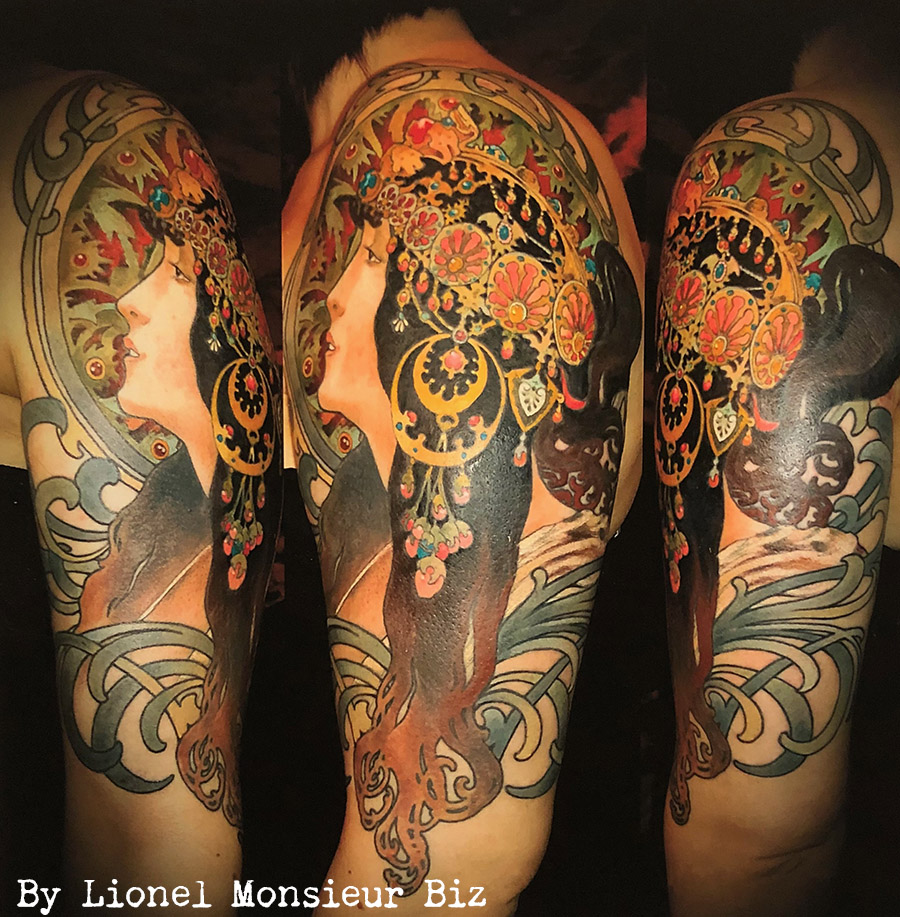
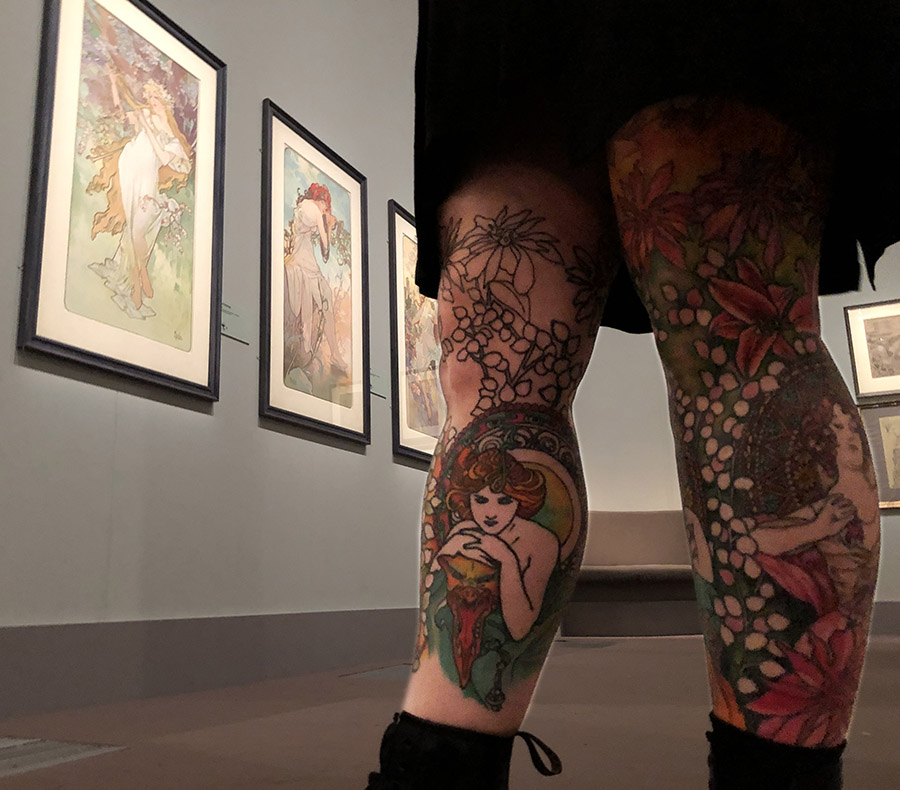
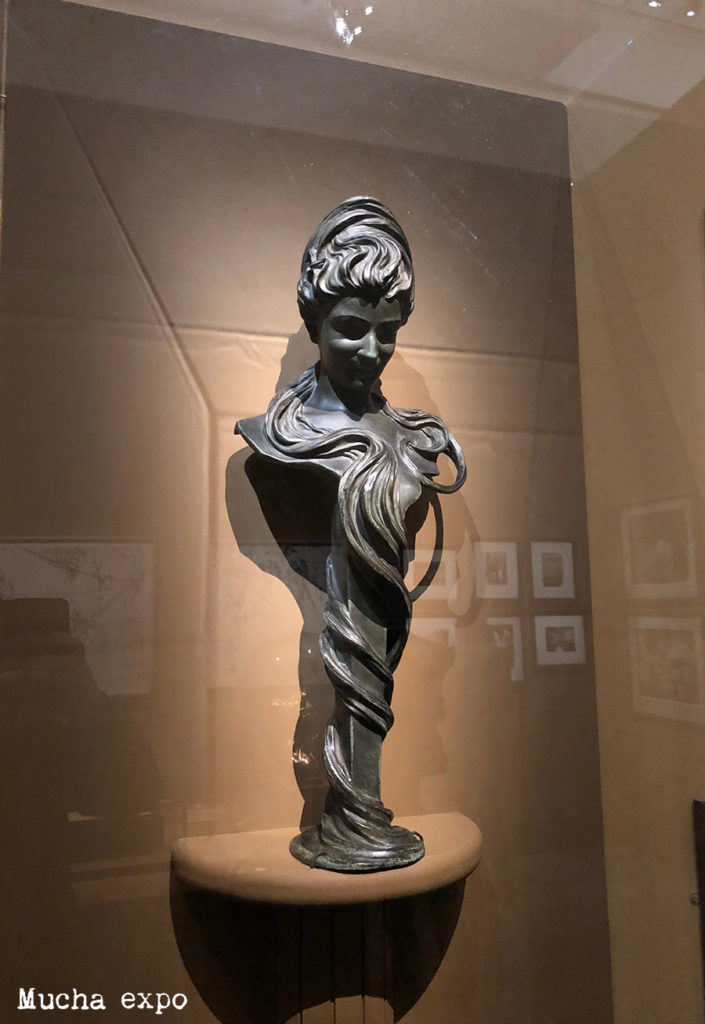
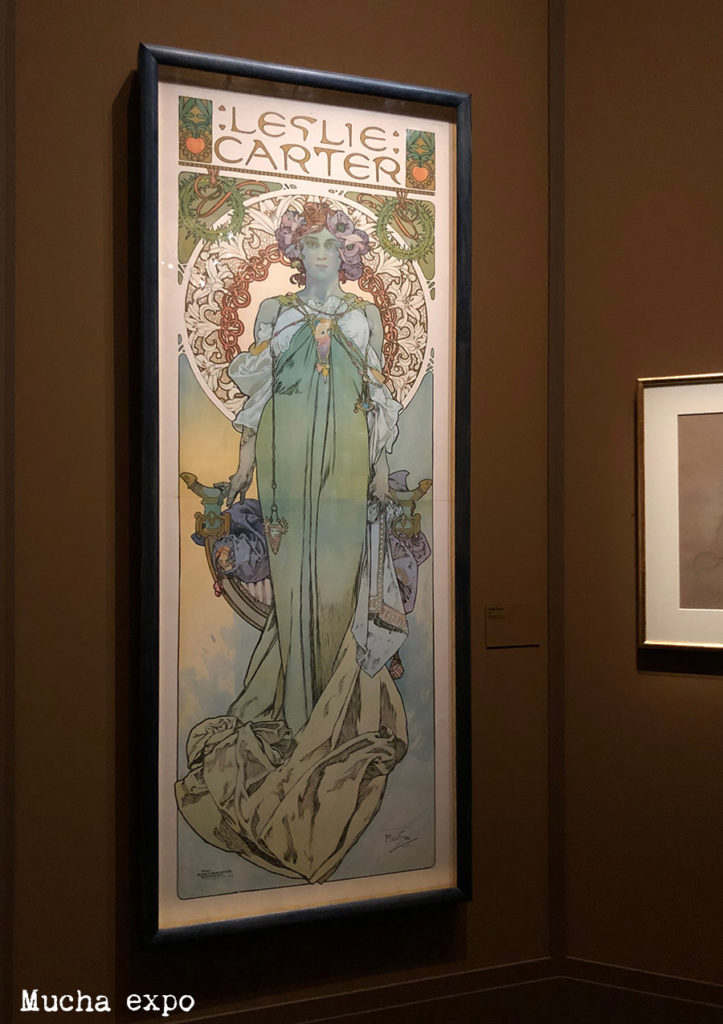
Alphonse Mucha is a painter, poster designer and illustrator of Czech origin from the late 19th and early 20th centuries. He became famousby creating posters for Sarah Bernhardt's shows and later on was the most recognized Art Nouveau artist.His drawings, which havestrong lines and background ornaments, are a perfect match for tattoos.Atattoo, in order to endure timeand sunlight,needs contrast and clear lines. Muchabecomesa real source of inspiration for tattoo artistsall over the world. And the many works presented at theevent prove it.
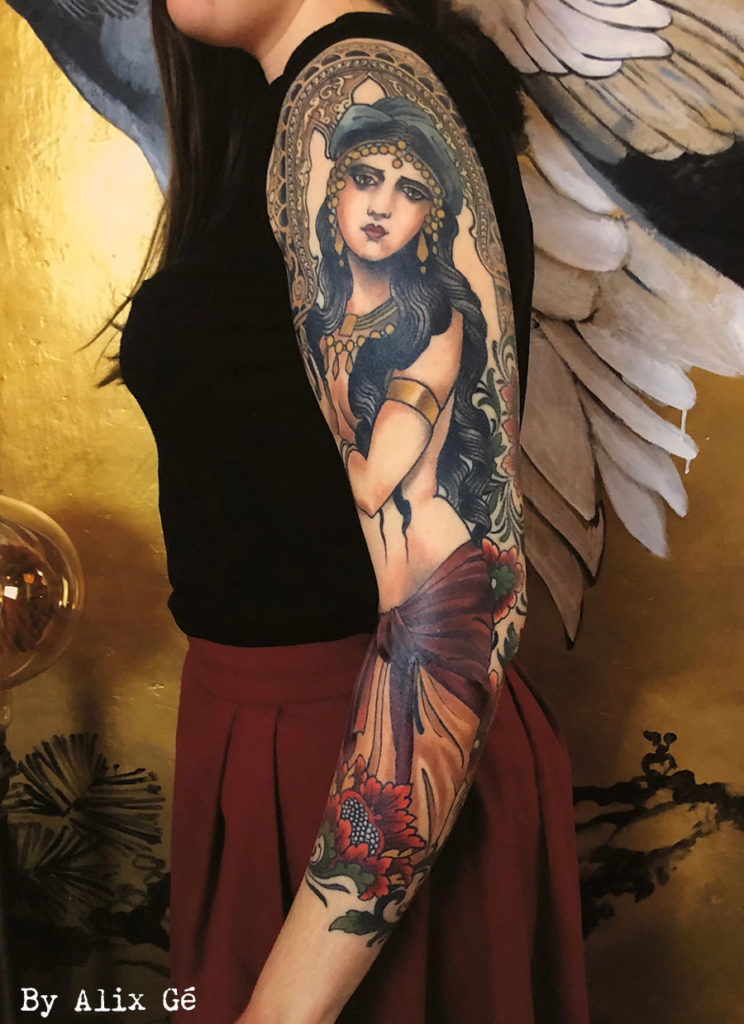
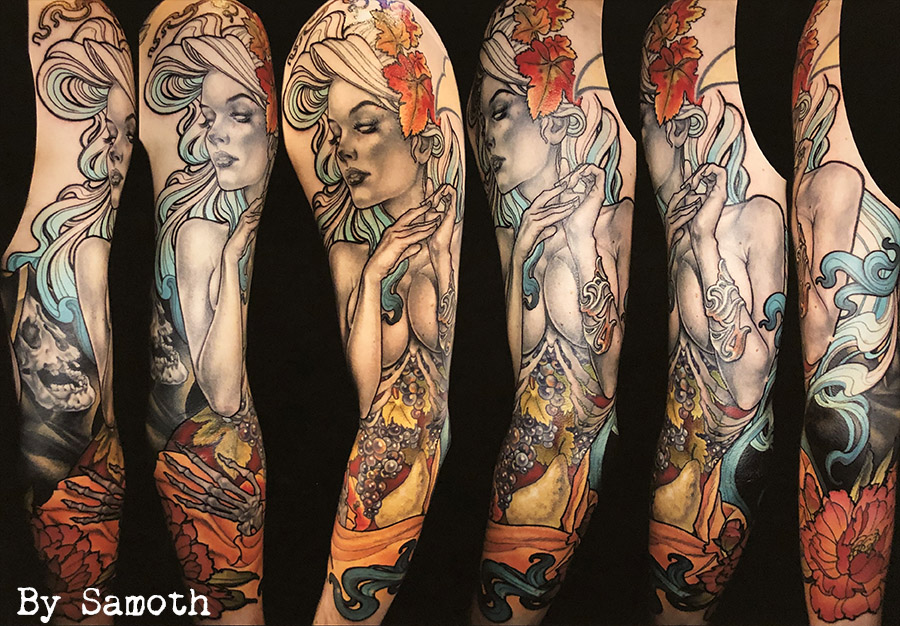
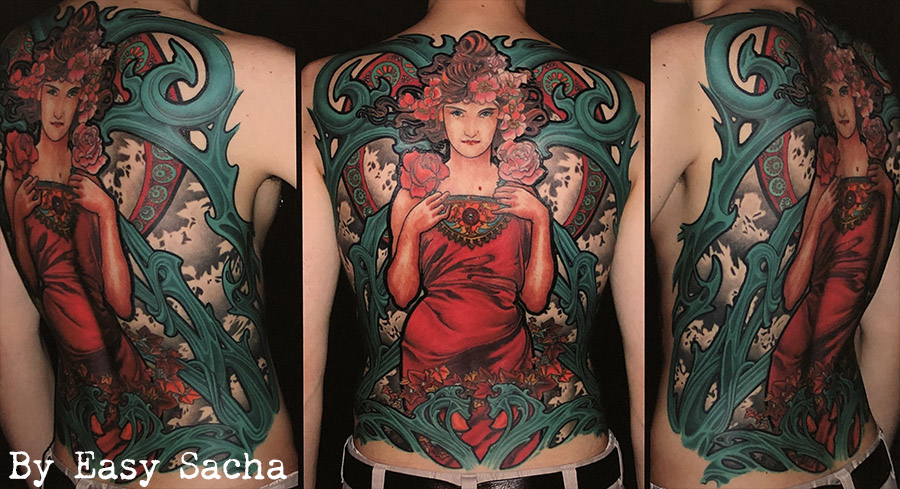
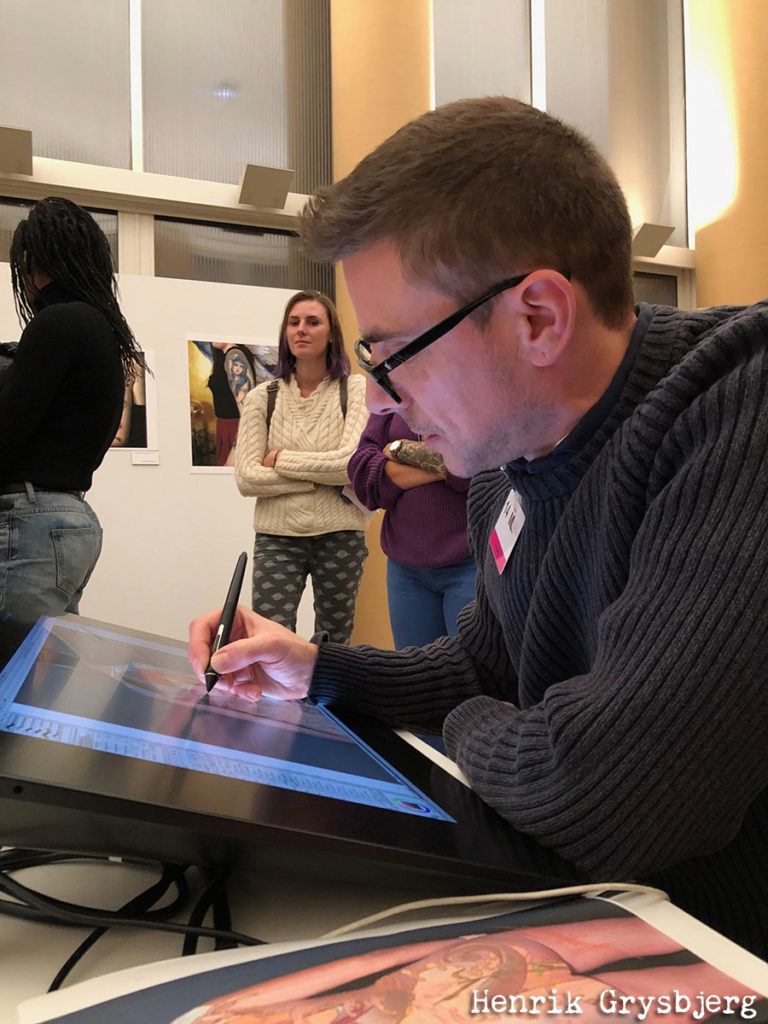
On this occasion a performance around tattooing was realized by Henrik Grysbjerg,afamous tattoo artist from Toulouse. For nearly three hours he customized the exhibition’sposter with a superb Japanese dragon using a graphic tablet projected on a large screen.
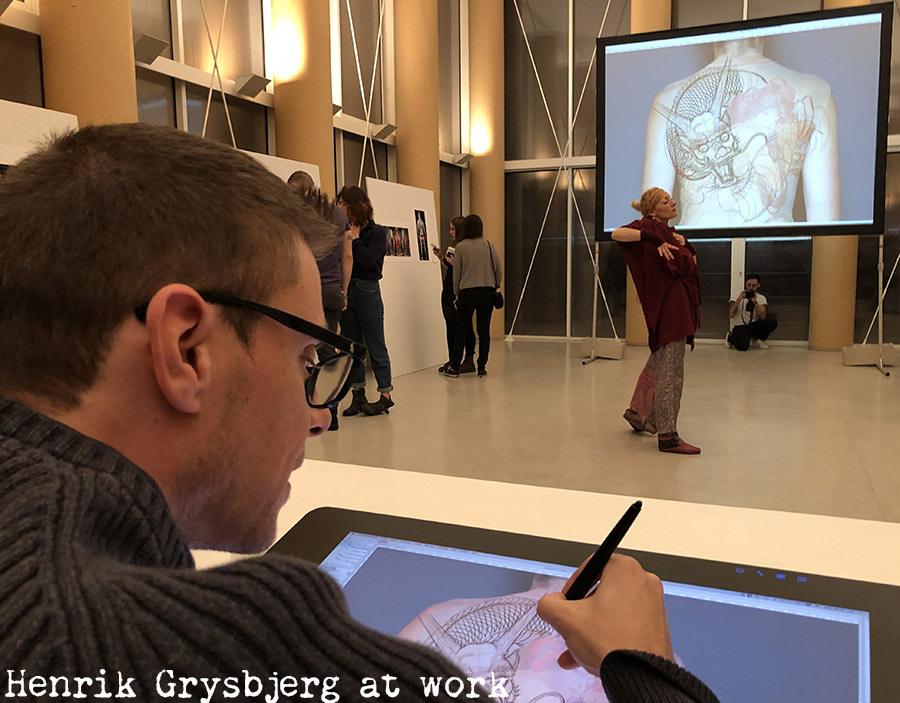
Mucha and tattoo
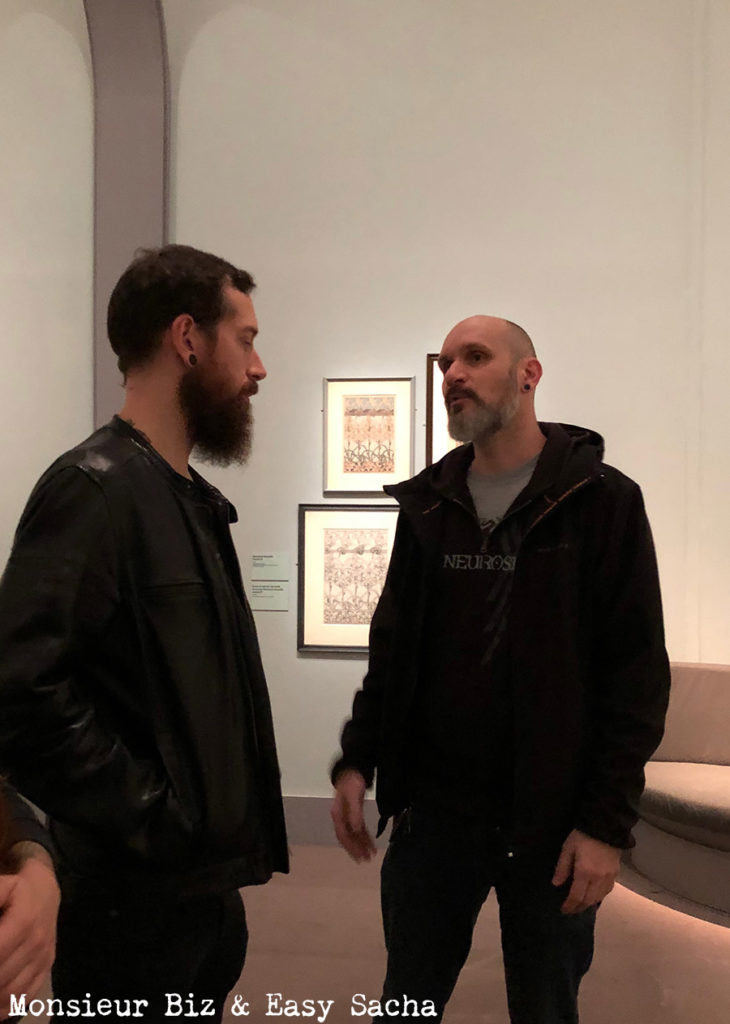
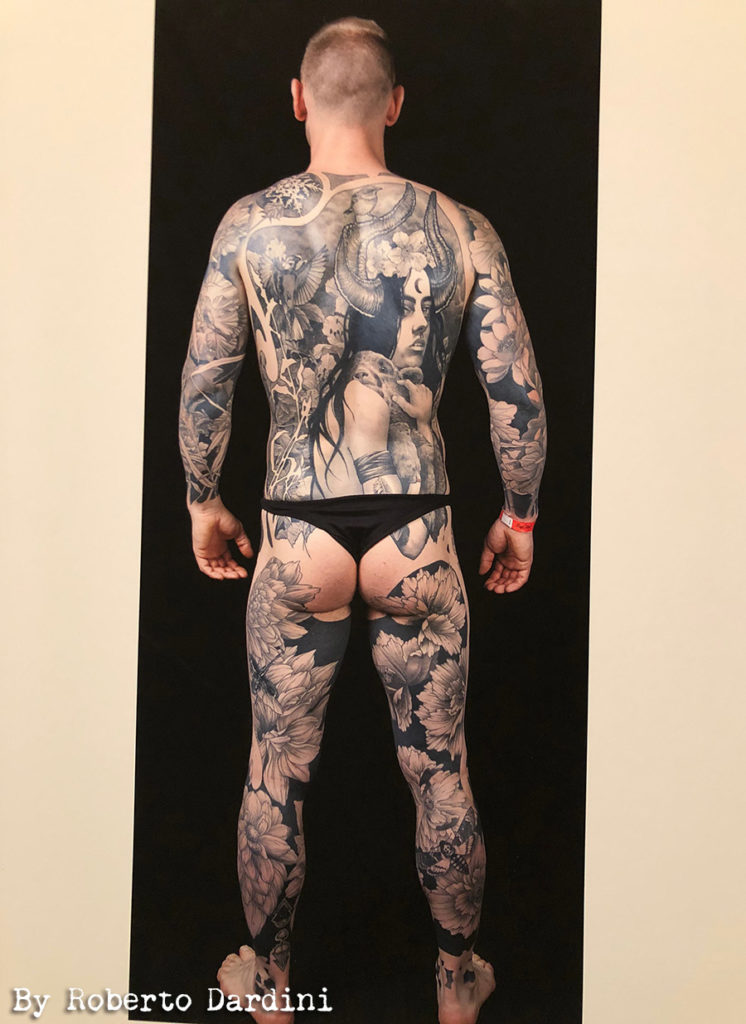
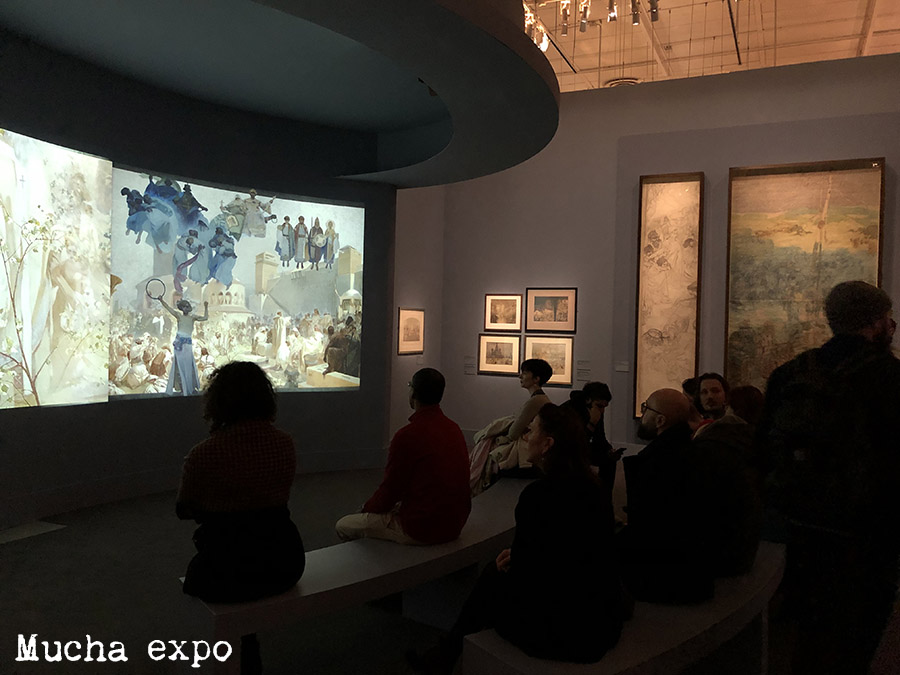
In addition to Alphonse Mucha's superb exhibition, we were able to admire photos of tattoos madeby Samoth, Lionel Mr Biz, Alix Gé, Roberto Dardini, Easy Sacha among others. Many tattoo artists were there regardless of wether they were participating in the event or not. A very nice evening which also allowed us to visit the Mucha exhibition. Our thanksgoto Pascal Bagot for thisgreat moment.
FIND THIS ARTICLE IN FULL, PHOTOGRAPHS AND TATTOOS, ON THE APPLICATION
ATC TATTOO
Hommage au Népal meurtri
Text : Laure Siegel / Photographies : P-mod / Tom Vater
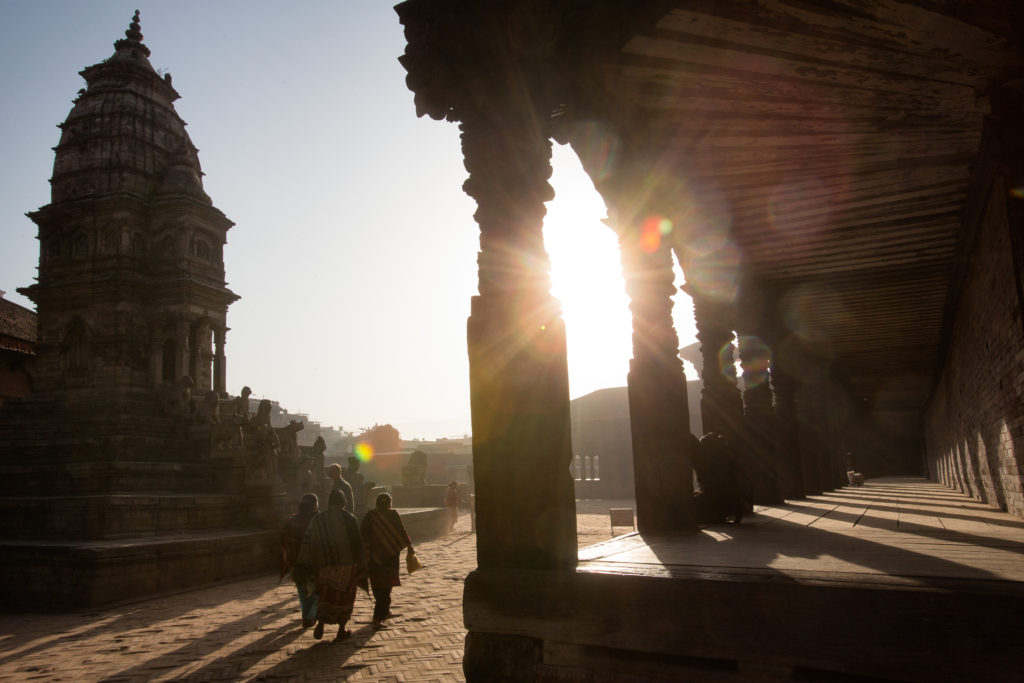
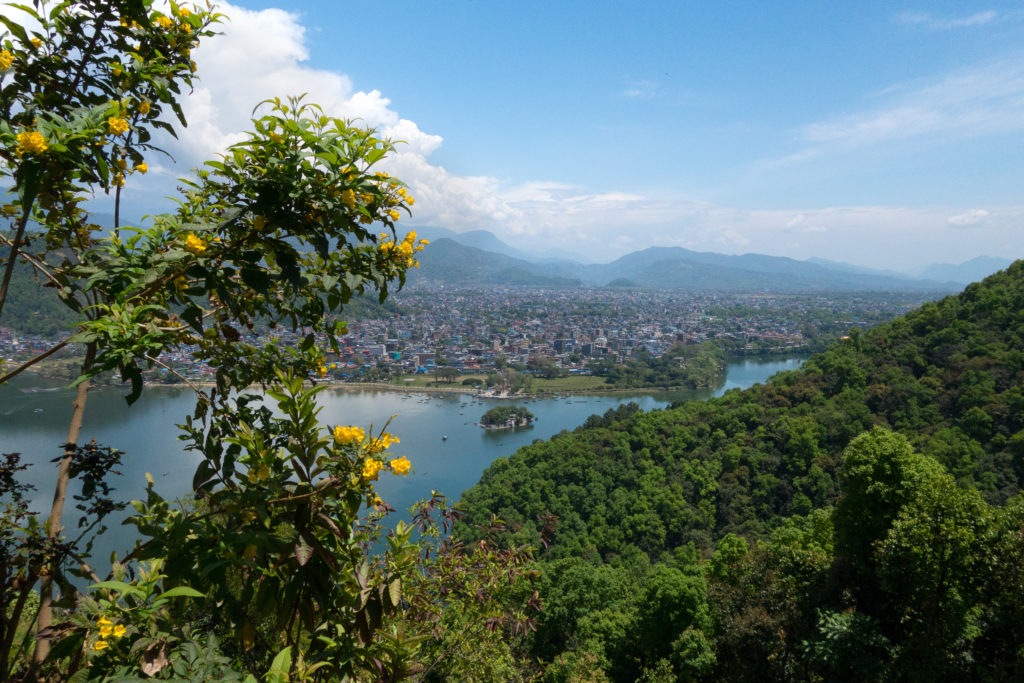
Bhaktapur, historic city in Kathmandu valley, deux dys before the earthquake
Many tattooists and travelers on the Asian roads were looking forward to participate in the 5th International Tattoo Convention in Kathmandu, Nepal, a special event in the global tattoo scene calendar. But the giant earthquake that shook the country around lunch time on Saturday, April 25th ended the convention prematurely.
More than 8700 people lost their lives, half a million homes were destroyed, entire villages have disappeared, more than a quarter of the country’s population, some 8 million people were directly affected by the catastrophe. The already desperate situation was further aggravated by countless aftershocks and a second strong quake on May 12th.
Some of the participating artists chose to remain in Nepal to lend a hand with relief projects or helped raise funds for Nepalese affected by the quake - projects that readers of Skin Deep can support.
The 5th International Nepal Tattoo Convention : Never say never again
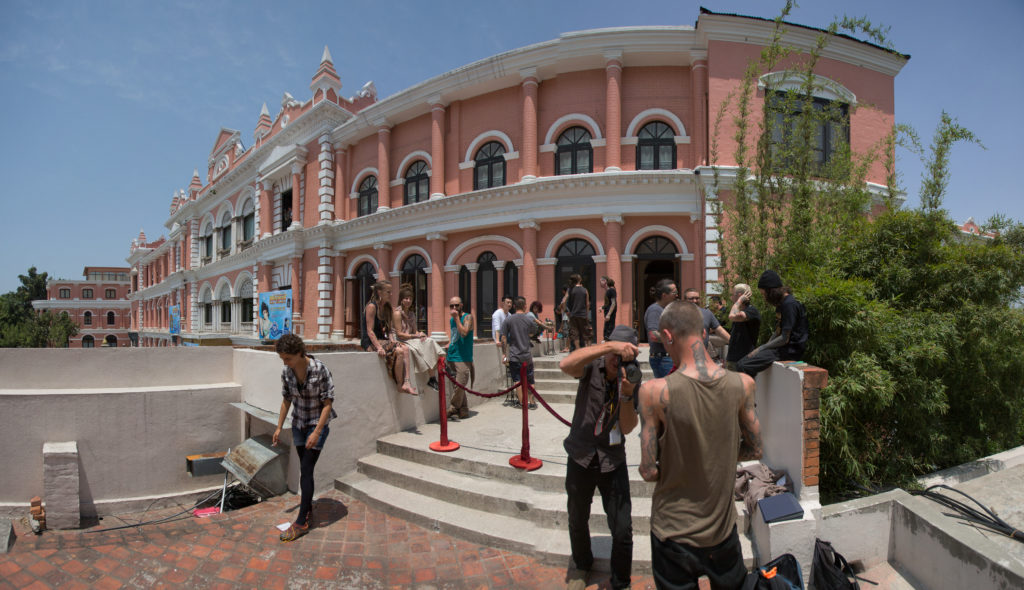
The ballroom of the Yak and Yeti hotel saw its first visitors in 1953, the year the mythical Himalayan kingdom first opened its temples and palaces to the world. Two generations later, the luxury caravansary in the heart of the Nepalese capital is hosting the fifth International Nepal Tattoo Convention, only to be severely shaken by the earthquake. But in spite of the catastrophe, the convention’s organizers are not giving up.
On Friday morning, April 24th, Swiss tattooist Johann Morel (Steel Work Shop) sat waiting for his first customers, his flashes on the table in front of him, “I am really looking forward to doing work here because I will donate all the money I make to Saathi, an association which helps women and children in Kathmandu. I don’t need the money; right after the convention I have a guest spot in Hong Kong and back home in Switzerland I have a twelve month waiting list. I charge 20 GBP a tattoo and I hope that I can raise at least 350 GBP. I’ve never felt so welcome at a tattoo convention and Mohan Gurung’s team, the organizers, is amazing.”
For most participating artists, Nepal is ‘different’. Many of the attending tattooists live on the road and they don’t come for business – Nepal is a poor country and Nepalese can’t afford international tattoo rates – but for the experience. In the last few years, Kathmandu has become the ‘cool’ convention: You can hippie around in bare feet on the hotel’s terrace with artists and punters who have managed to cross the highest mountain range in the world to get here.
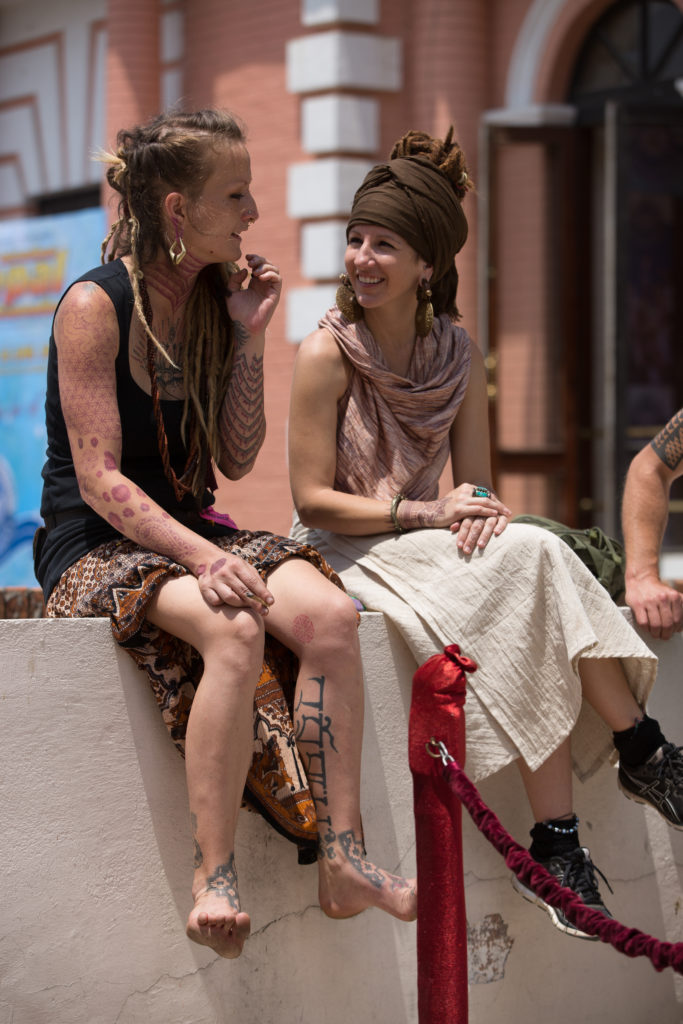
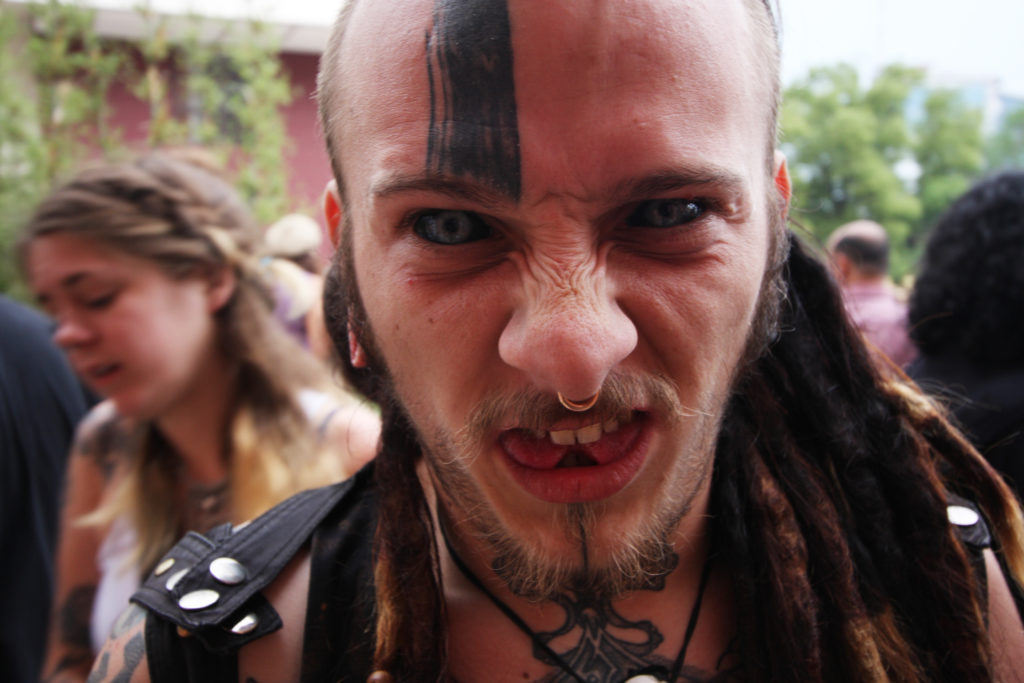
Serjiu Arnautu, young roumanian tattooist, just openened a tattoo shop in Dijon (France). He was at the Kathmandu tattoo convention with his friend Tessa Marx (Boubou Daikini), who's doing traditionnal handpoking.

The event is popular with a diverse crowd – tourists, trekkers, adherents of the Goa trance scene and UN diplomats as well as local families and groups of young Nepalese – because of its effervescent ambience; it’s no longer the domain of shady Kathmandu gangsters and hard men. Nepalese society has become more open to global counter culture in recent years. There’s room for self expression in early 21st century Nepal.
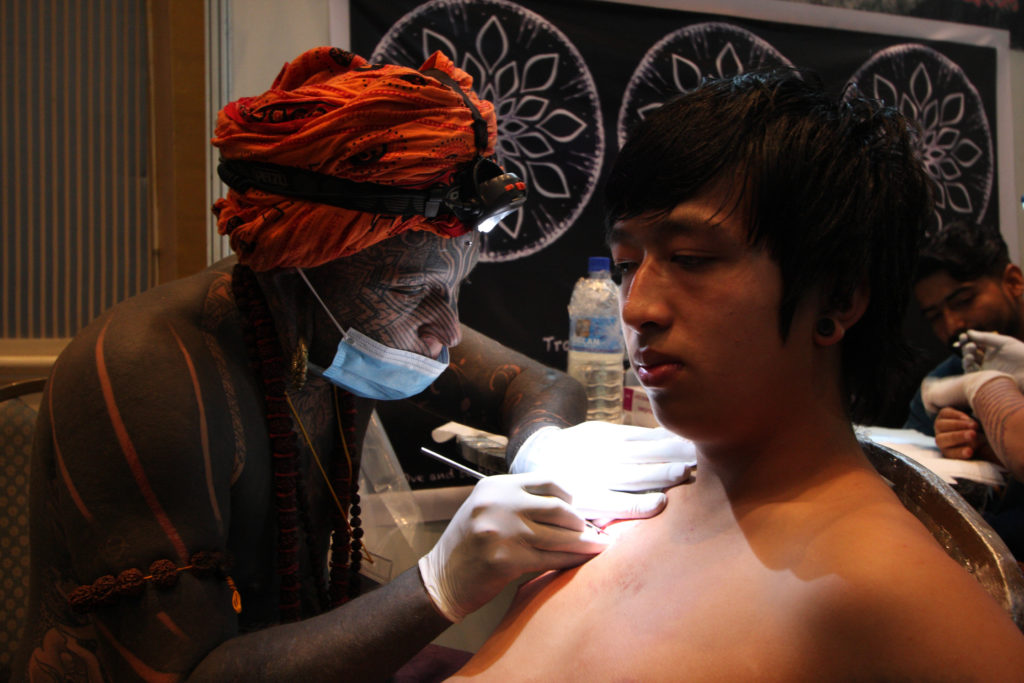
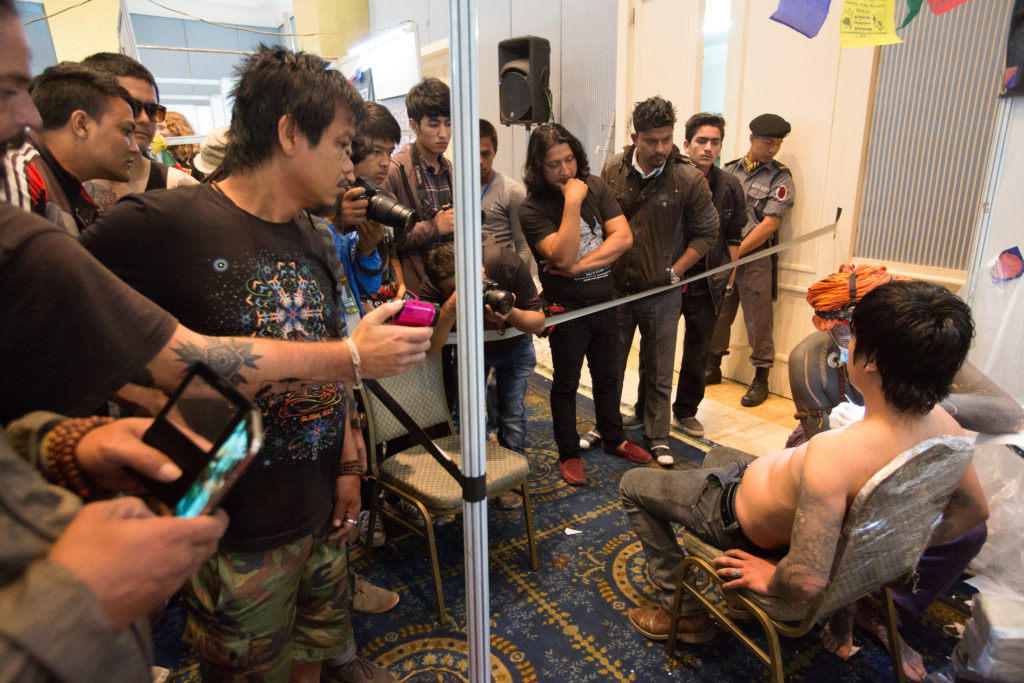
While children in ethnic costumes handed out flower petals to visitors and traditional dancers graced the convention’s stage, a crowd of curious onlookers gathered around the stall of Iestyn Flye (Divine Canvas) as the British artist who specializes in scarification etched a design onto the chest of a young Nepalese who sat through the ordeal with gritted teeth.
Eric Jason D Souza (Iron Buzz Tattoos) won the first price of the first day’s contest for a portrait of a women inked on his partner’s forearm.
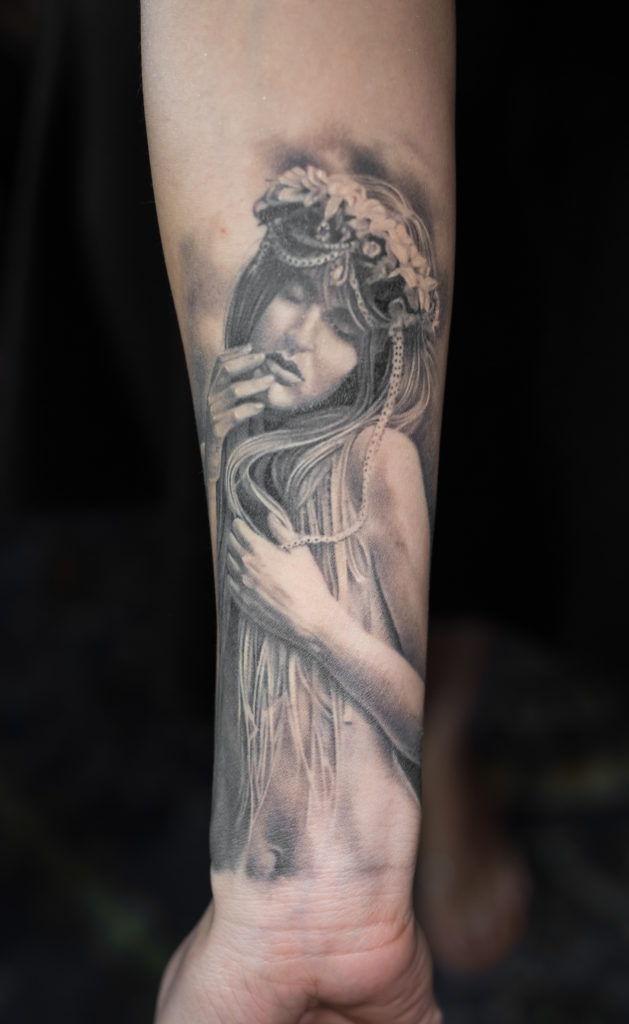
Aishin par Eric Jason Dsouza, Iron buzz-tattoos (India) Best of small
The young couple who traveled from Mumbai for the third year running was ecstatic. “It’s great to be recognized here because tattooing in India still struggles with quality issues. For the past two or three years, there’s been a huge tattoo boom in India and there are some 15.000 shops but only about 150 professional artists. We work hard on a project with the local government to make tattooing a more professional career choice.”
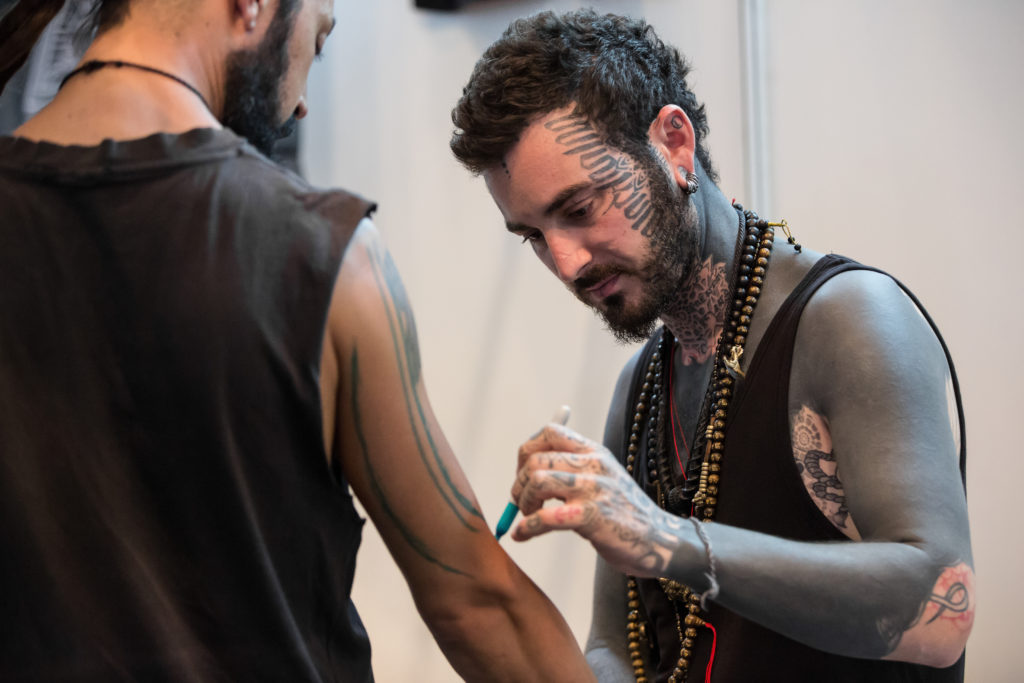
MaxWell

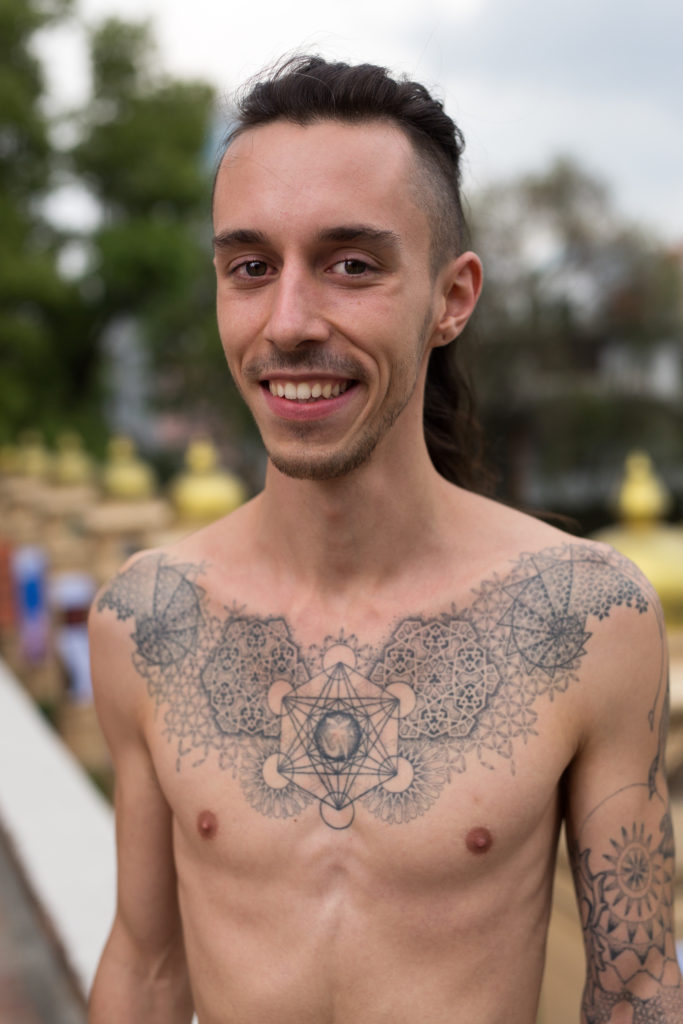
Arne inked by Dasha, on the road
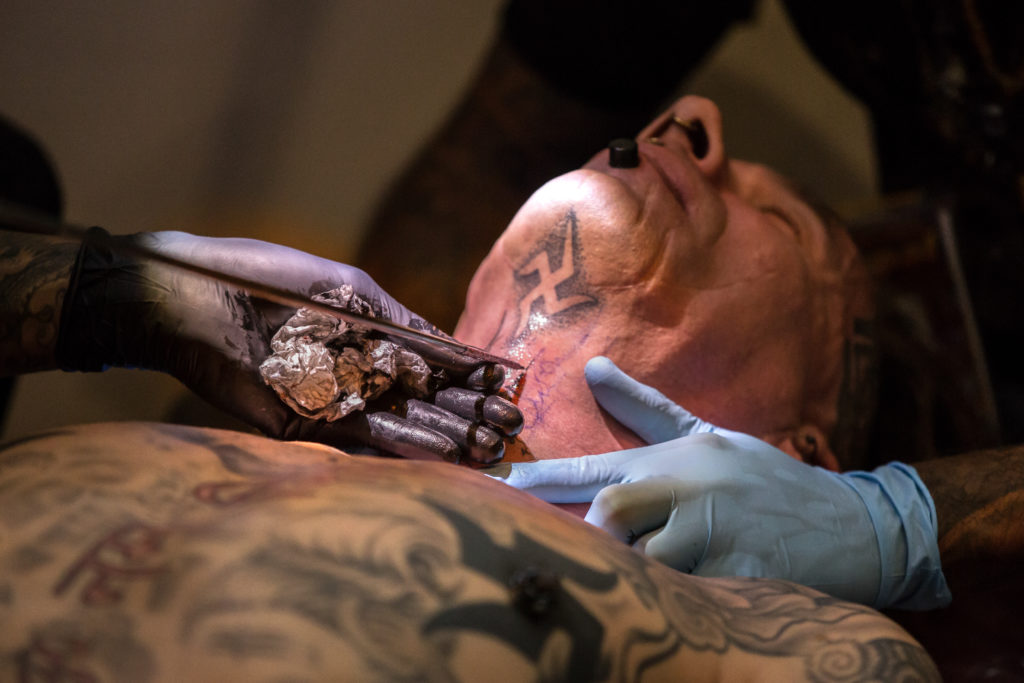
Quentin Inglis getting a Sak Yant by Triangle Ink, Thaïland

Mia inked by Tattoo Junction, Kathmandu

Laura inked by Miraj, KTM Tattoo, Kathmandu
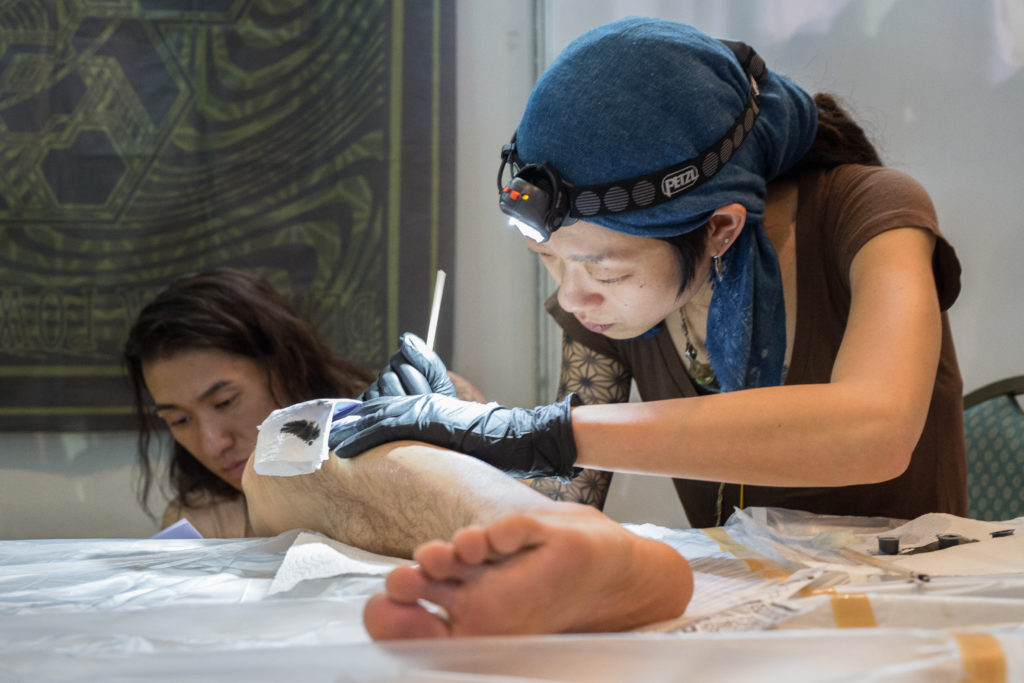
Black Ink power, japan
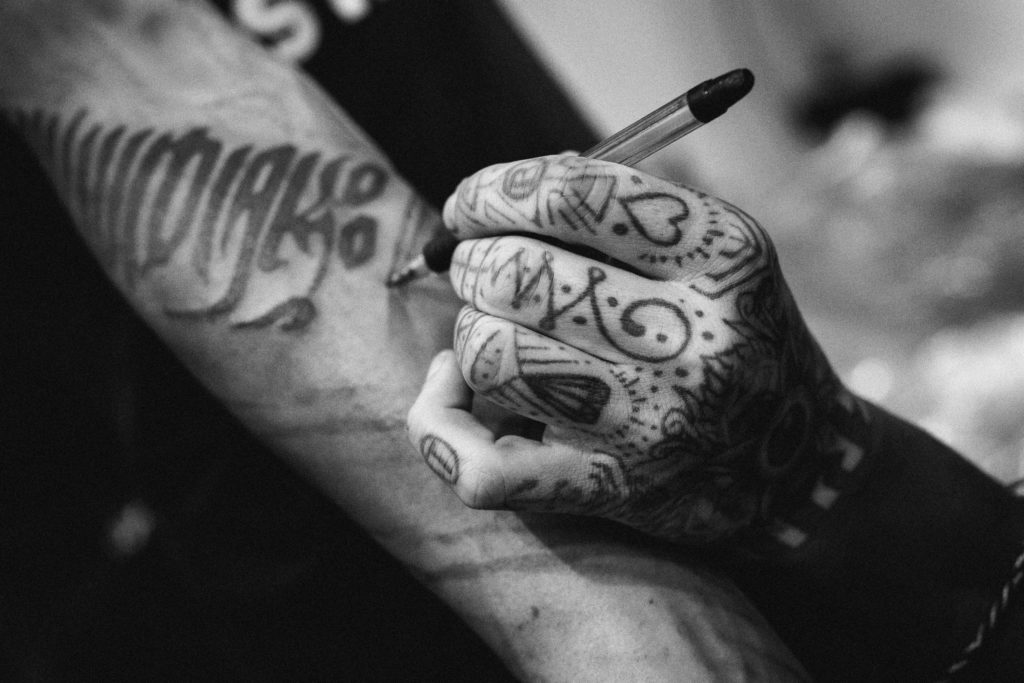
Neil inked by Glen Cozen, UK
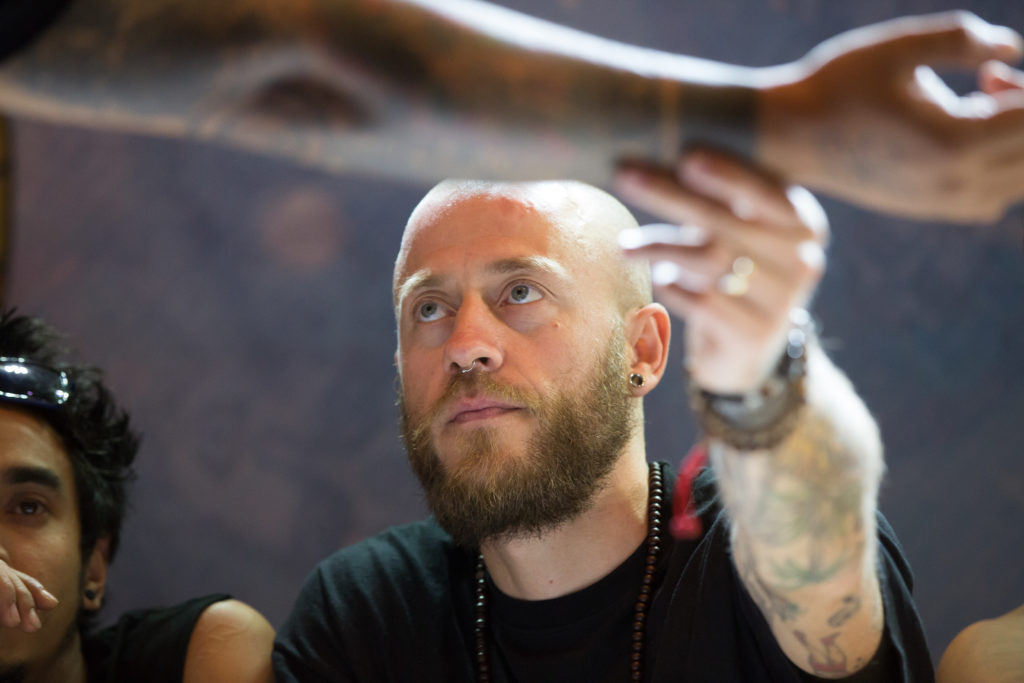


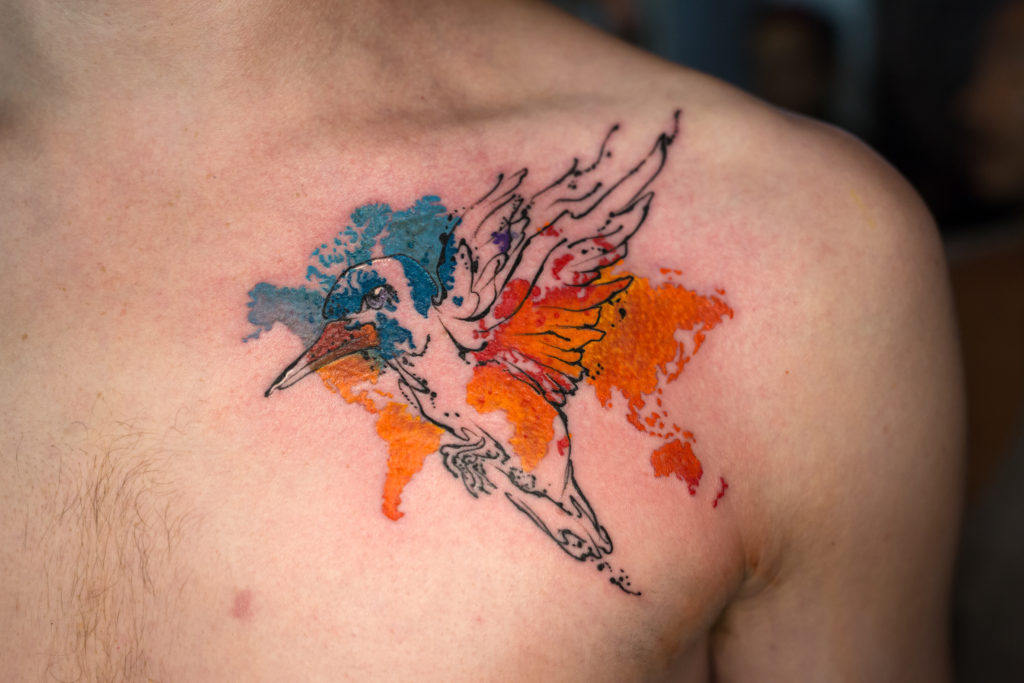
Jesse inked by Daan Van Dobbelsteen - Dice Tattoo, NL
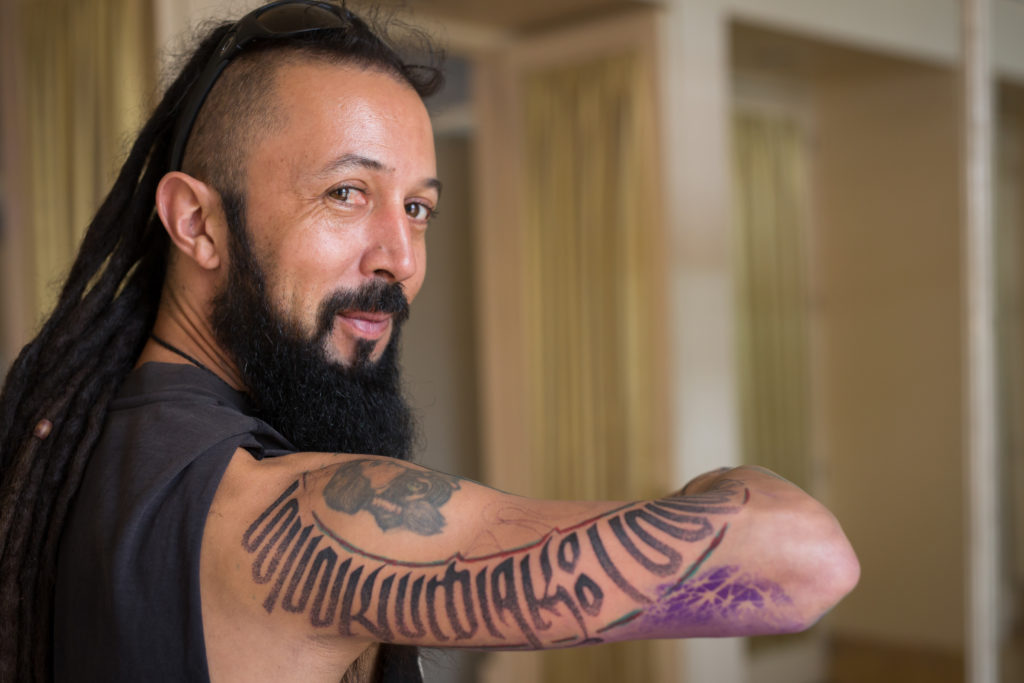
Arm in progress by MaxWell
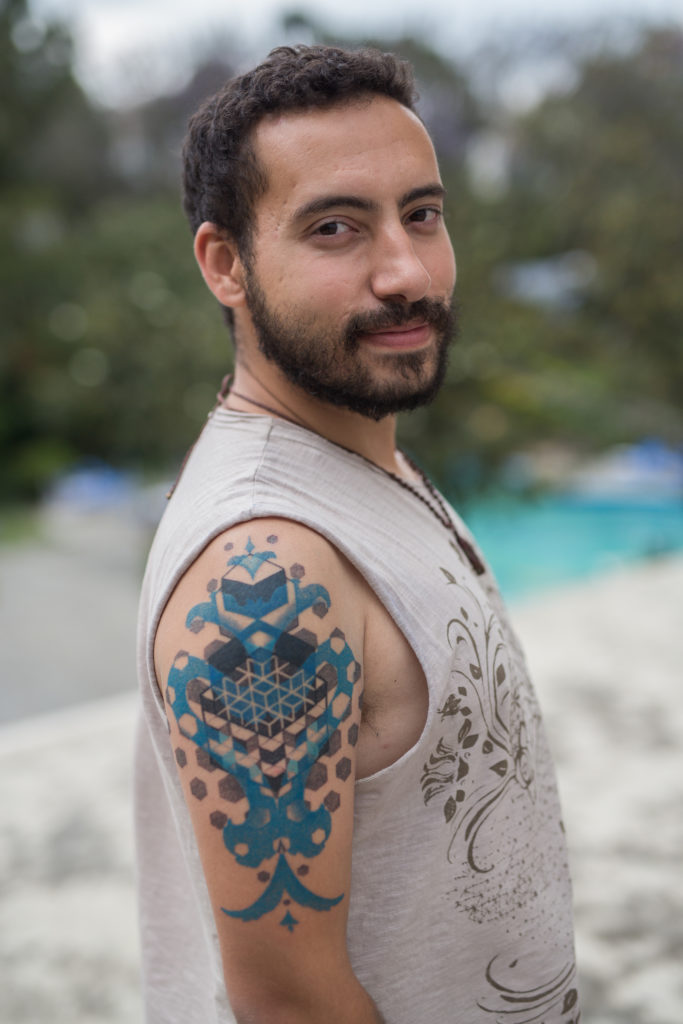
Gabriel inked by Malika - tatouage Royale, Montréal, QC
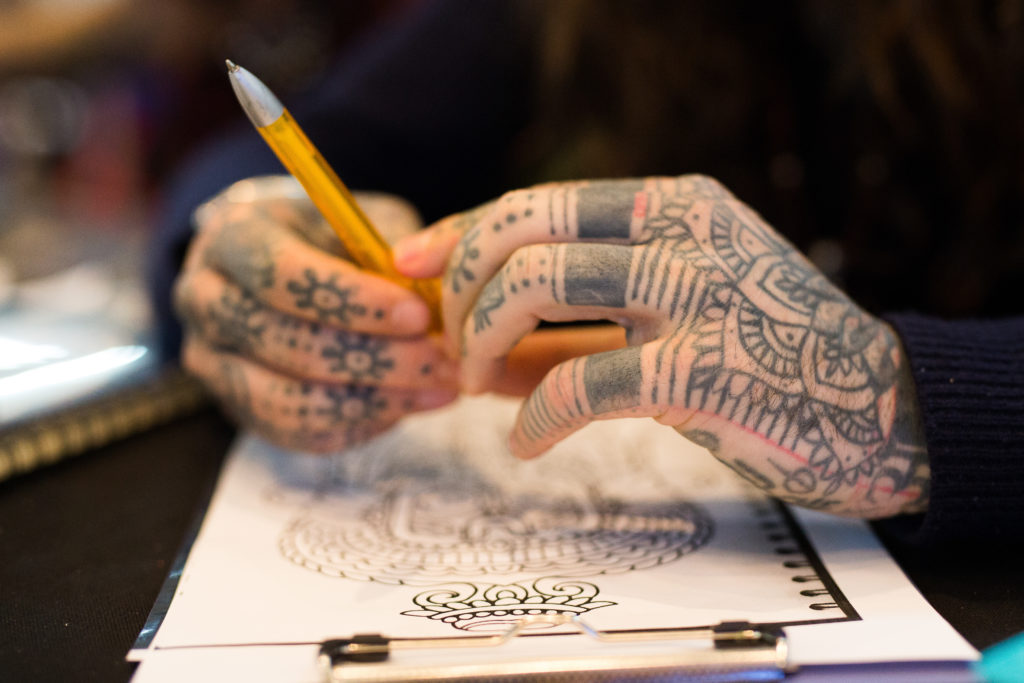
Guy le Tatooer, few minutes before the earthquake...
On Saturday morning, April 25th, French artist Guy le Tatooer, who has spent his working life on the road, was slowly warming up to the convention scene. “I started attending these events for the first time this year – I will be in Borneo, in London and in Florence in the coming months. Here in Nepal, it’s mostly the local musicians who want tattoos. They are very open and want to have fun as in any society where the voice of the youth has been muzzled for too long. If the work is well done, the Nepalese, a highly artistic people, appreciate it.”
As Guy finished his sentence, the lights in the ballroom went off, a second later everything started to shake violently. Artists, punters and hotel staff stampeded from the room or tried to find shelter under door frames as stalls collapsed. The quake rattled on for 80 seconds. By the time the earth had stopped shaking, the entire convention found itself in the hotel car park watching the cracks in the Yak and Yeti’s façade, deep in shock but happy to be alive. Ajarn Man, a Thai sak yant tattoo master handed out Buddhist clay amulets for good luck.
The event after the earthquake


The days following the quake were harsh – countless aftershocks, tense streets, a dazed population, and periodic phone and Internet shut downs created incredible despair and sadness in the Nepalese capital. Some fifteen tattoo artists chose to stay in the city to try and help with relief operations and to support their local friends. Several artists traveled to Pashupatinath, the sacred Hindu temple complex on the shores of the Bagmati River to tattoo Nepalese who were seeking protection, against a backdrop of long rows of funeral pyres where families brought loved ones they had lost in the quake.
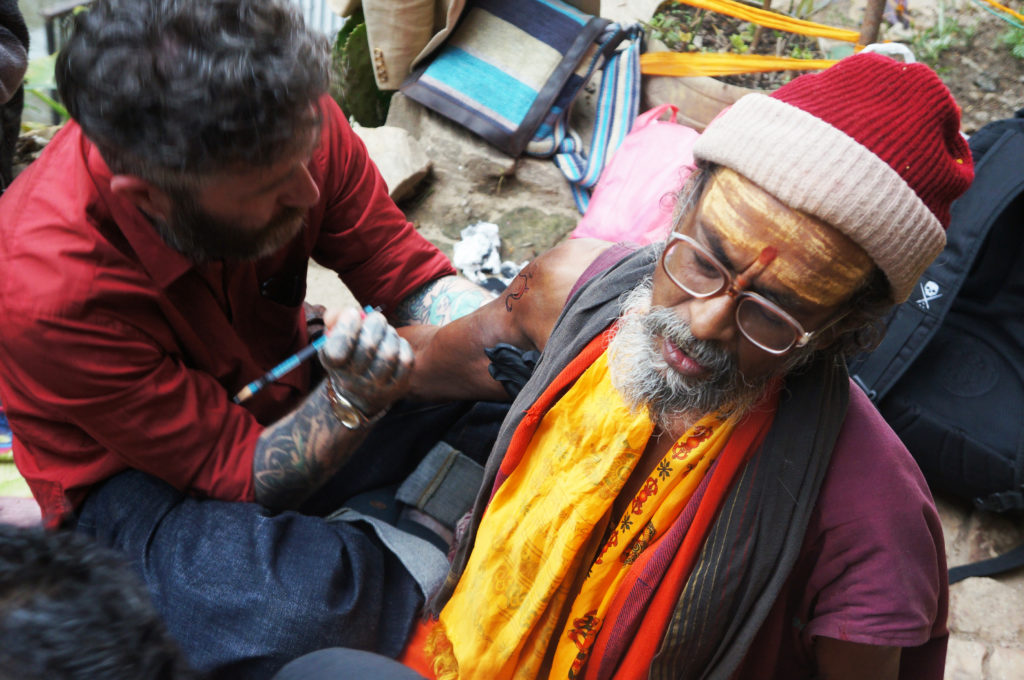
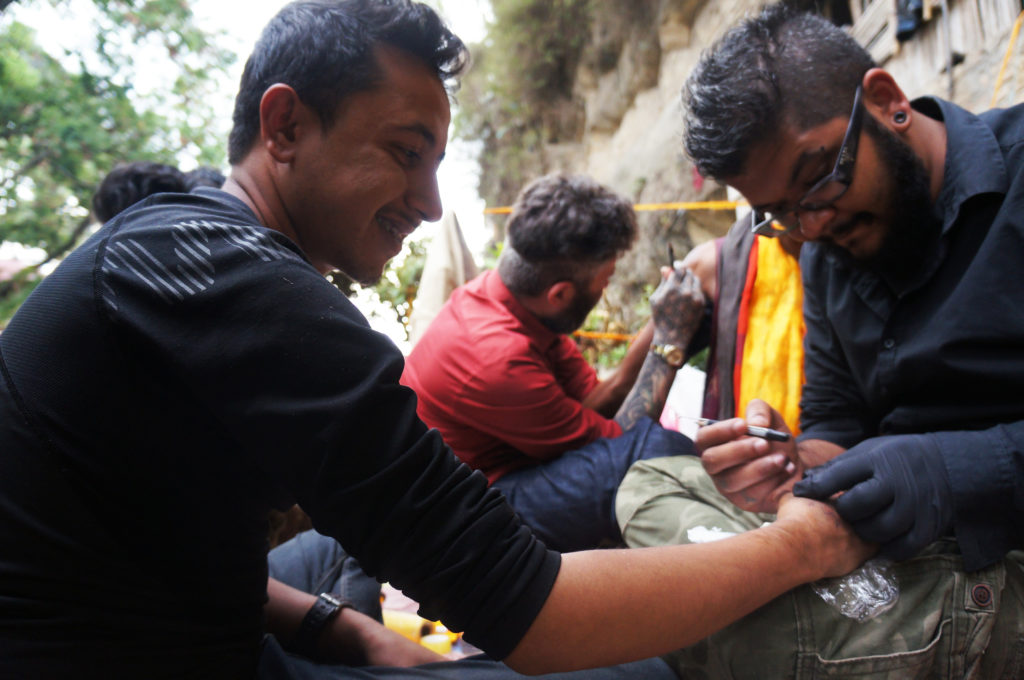
Paulo et Ari, ttattoo artists, welcome nepaleses looking for a protextion tattoo on a rock front of the Bagmati river, carring death's ashes de Kathmandu along.
Other artists raised funds to buy emergency supplies or to contribute to projects set up to construct toilets and temporary shelters in villages around the Kathmandu Valley. In New York, London, Copenhagen, Bangkok, Southampton, Les Vans, Rottweil and other cities around the world, local tattooists began to organize events to help finance reconstruction efforts.
French tattooists Max Well and Angie stayed on for two weeks before moving on to work at Six Fathoms Deep in Bangkok, Thailand. [IMAGE29] “We first came to Nepal for last year’s convention and it really changed our lives. The event has a real magic, it feels like one great family. We will go back soon, we have to finish the tattoos we started there. In the meantime we try to help from a distance by sending money. And if the convention returns next year we will be there.”
Mohan Gurung and Bijay Shrestha, the convention’s organizers, remain determined. “We are sure we will host the convention again next year. We know we will, with all the overwhelming support we got from the tattoo community, for us and for Nepal. We must continue this family tradition forever.”
How to help Nepal?

If you know any Nepalese, you can send them money directly by Western Union. Sinon, privilégiez un collectif de bénévoles qui agit directement sur le terrain ou participez à une action artistique :
#We Help Nepal
> #We Help Nepal : Un réseau sans hiérarchie et sans salaires, fondé par des Népalais et étrangers vivant ou ayant vécu au Népal. Ils se chargent de coordonner les initiatives locales en redistribuant les fonds récoltés via leur plateforme. http://www.wehelpnepal.org/
> Rise for Nepal : Une organisation créée par 200 jeunes volontaires népalais pour reconstruire leurs pays eux-mêmes, sur le terrain. https://www.facebook.com/pages/Rise-For-Nepal/1440722356239673
> Miranda Morton Yap, une écrivaine américaine qui vit à Katmandou et coordonne la levée de fonds pour Helter Shelter et To Da Loo, qui se concentrent sur la construction d'abris et de toilettes.
http://mirandatravelsblog.blogspot.com/2015/05/subject-rebuilding-nepal.html


Paying homage to Nepal: Tattoo artists, in solidarity with each other
With tattoo artist
> By Steel Work Shop (Switzerland) : No silence for NEPAL Association
https://www.facebook.com/nosilencefornepal/ - http://www.nosilence4nepal.com/
One Tattoo for Nepal : https://www.facebook.com/onetattofornepal
Metal for Nepal Tour : https://www.facebook.com/metal4nepal
> By Jad's Tattoo (Kathmandu) : Ktm-20152504
https://www.facebook.com/Ktm20152504 - http://www.gofundme.com/tdq7q8z4
> By Funky Buddha Tattoo (Kathmandu) : Funky Buddha Hands
http://www.facebook.com/FunkyBuddhaHands - http://www.leetchi.com/c/solidarite-de-nepal-3409692
> By Phil & Joanna Antahkarana (Copenhagen) : Tattoo Aid for Nepal, which helps fund Direct Relief, an NGO focusing on medical emergencies.
http://theantahkarana.tattoo/news.html
http://www.directrelief.org/
http://theantahkarana.tattoo/news.html
FIND THIS ARTICLE IN FULL, PHOTOGRAPHS AND TATTOOS, ON THE APPLICATION
ATC TATTOO
Berber Tattooing In Morocco's Middle Atlas
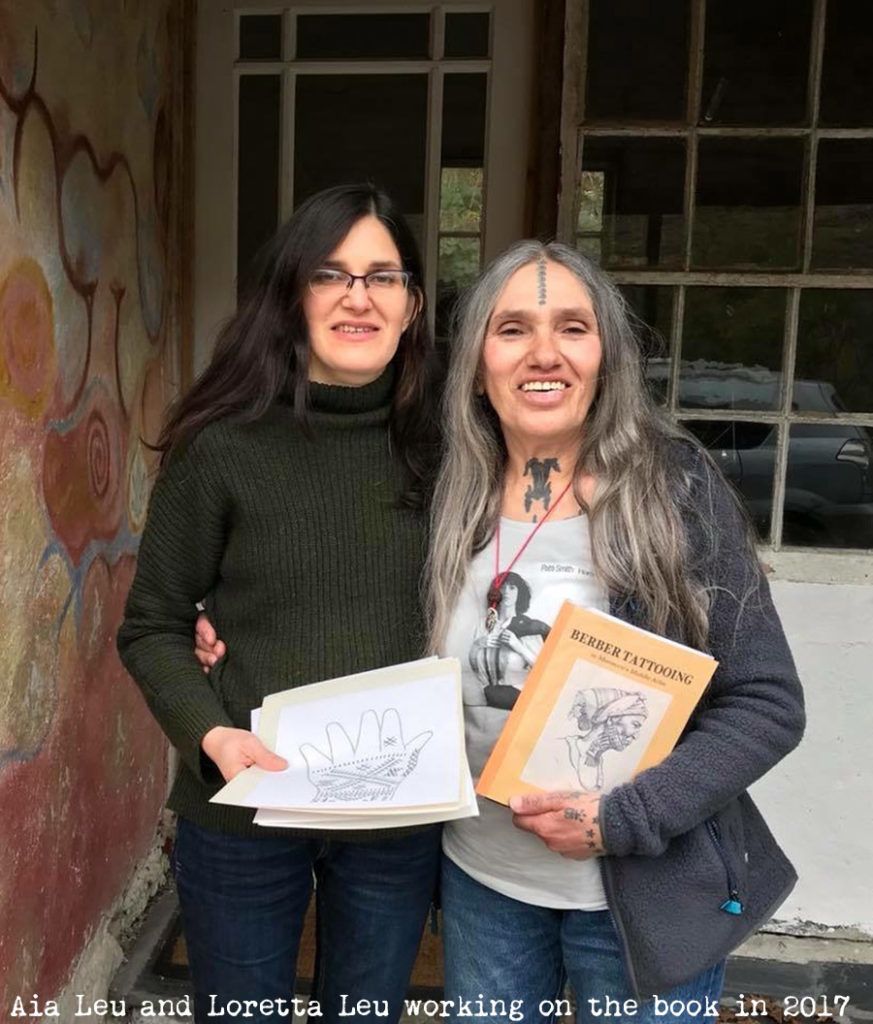
Text : Tiphaine Deraison / Visuels : Leu Family ©Seedpress
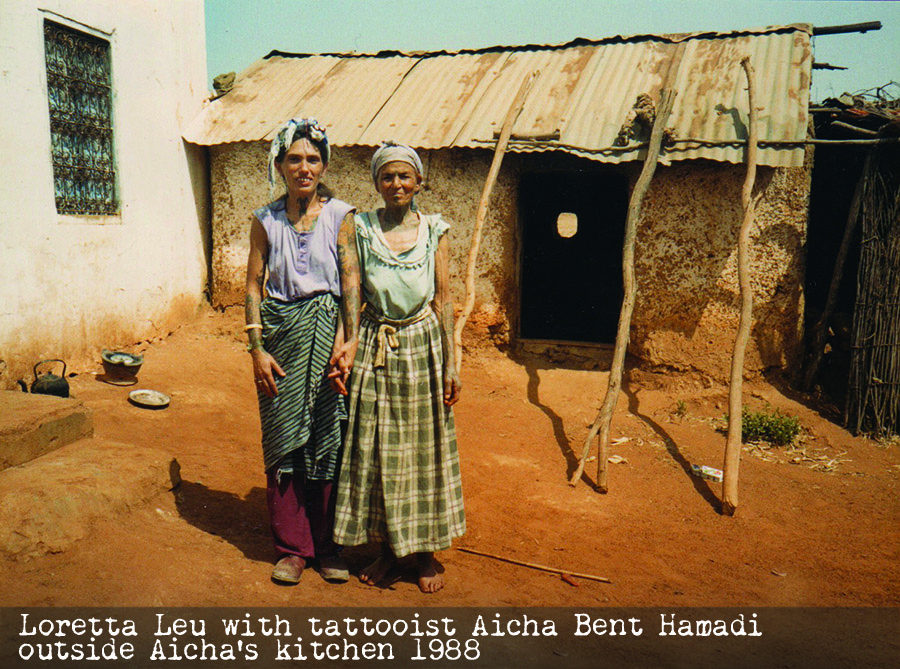
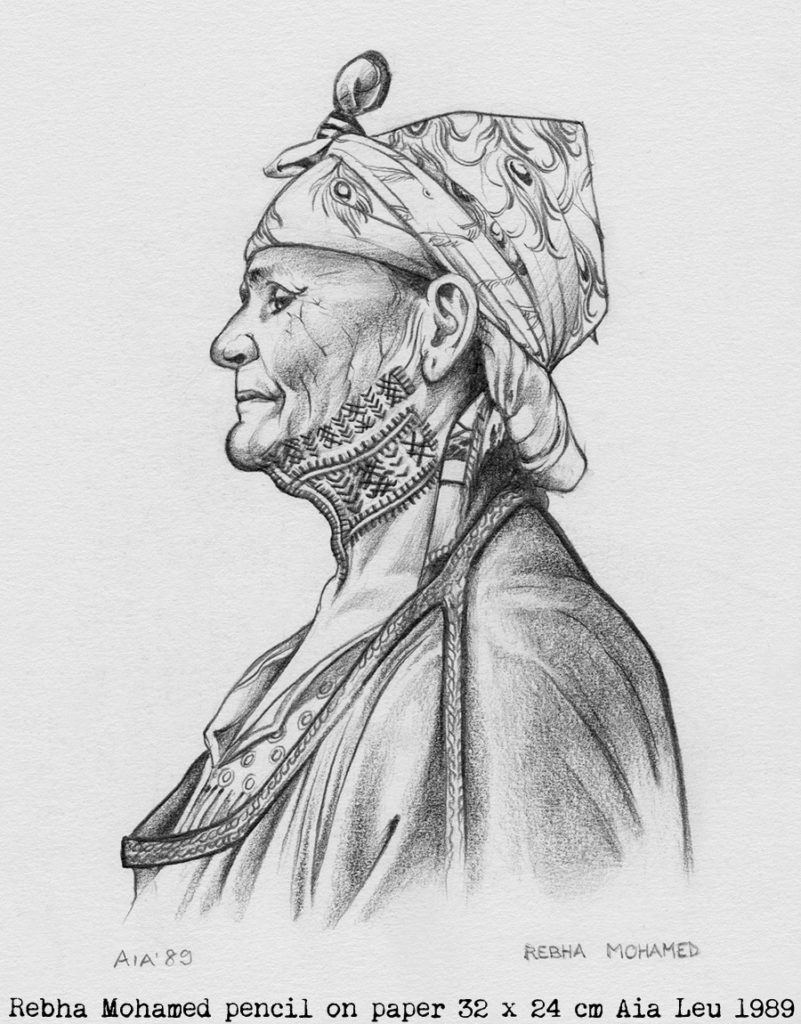
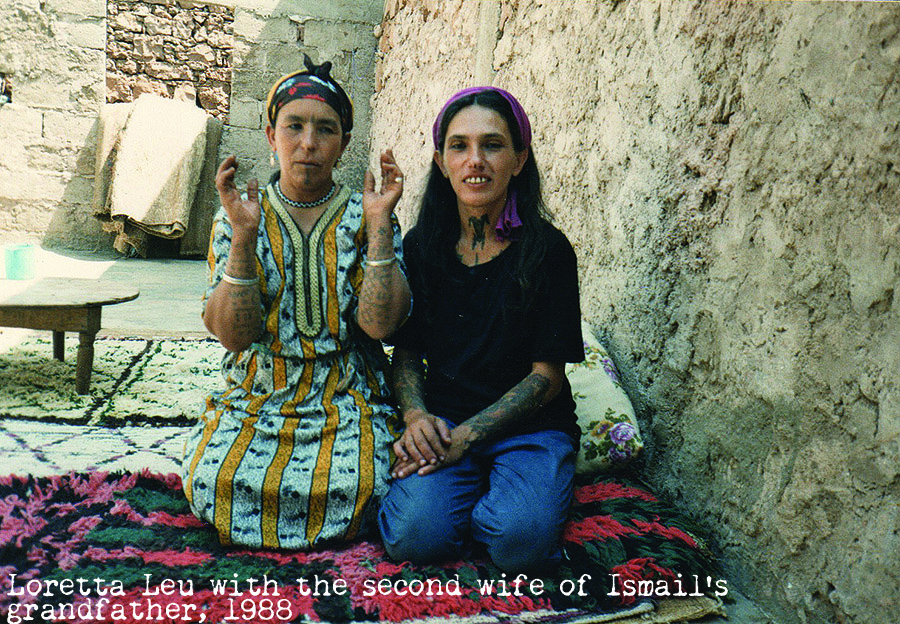
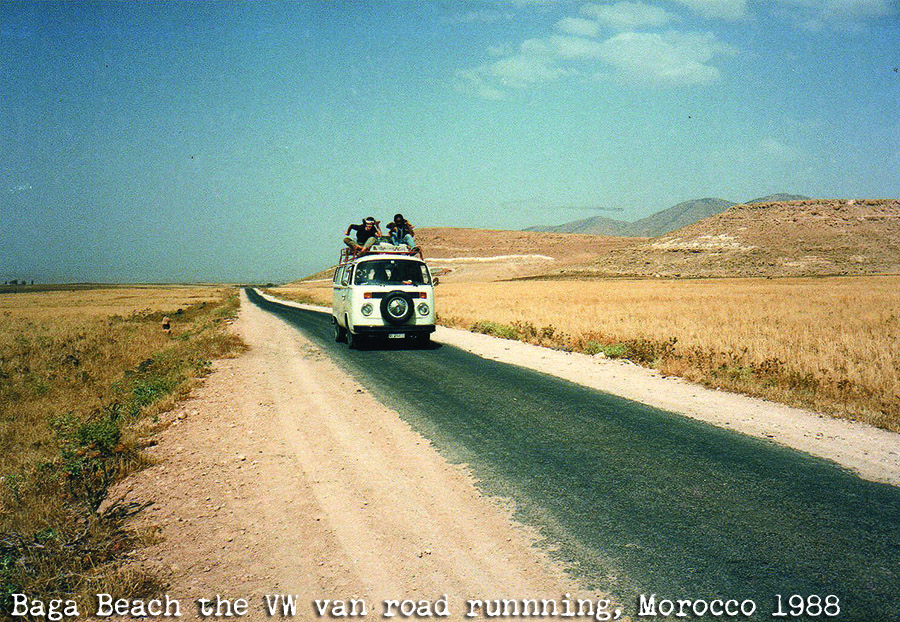
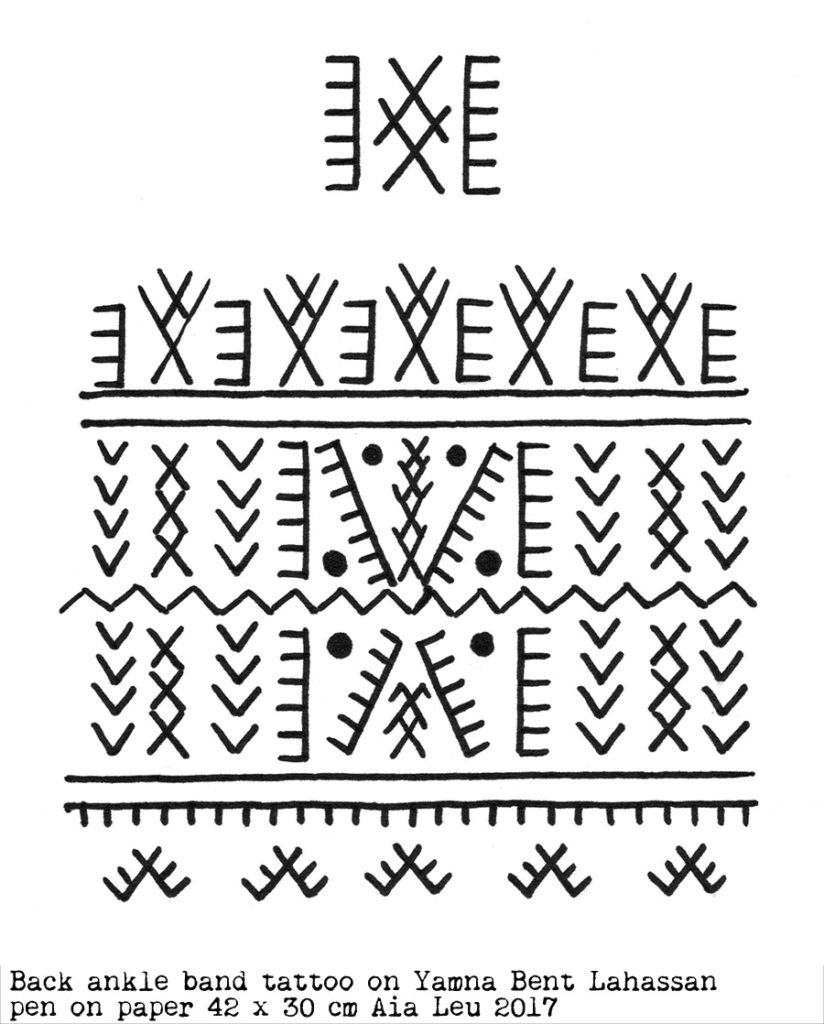
Immersing a rare detailed in the art of Moroccan Berber tattooing, "Berber Tattooing" is a unique testimony and the result of a series of chance encounters scattered in a story of adventures lived by a family well known in the Tattoo community. A story of Felix and Loretta Leu's journey in 1988, about thirty years ago in a rural and intimate world of Berber tribal women.
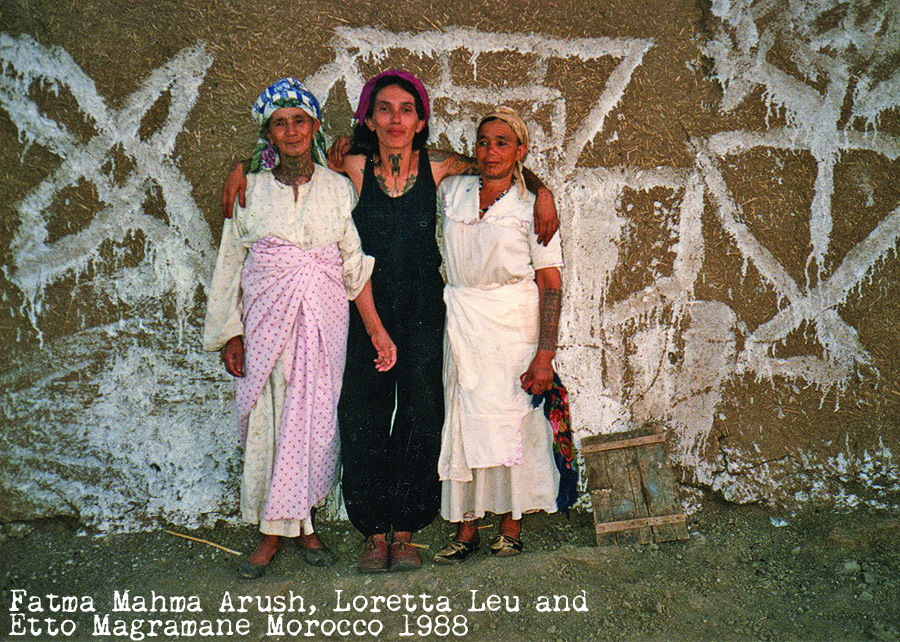
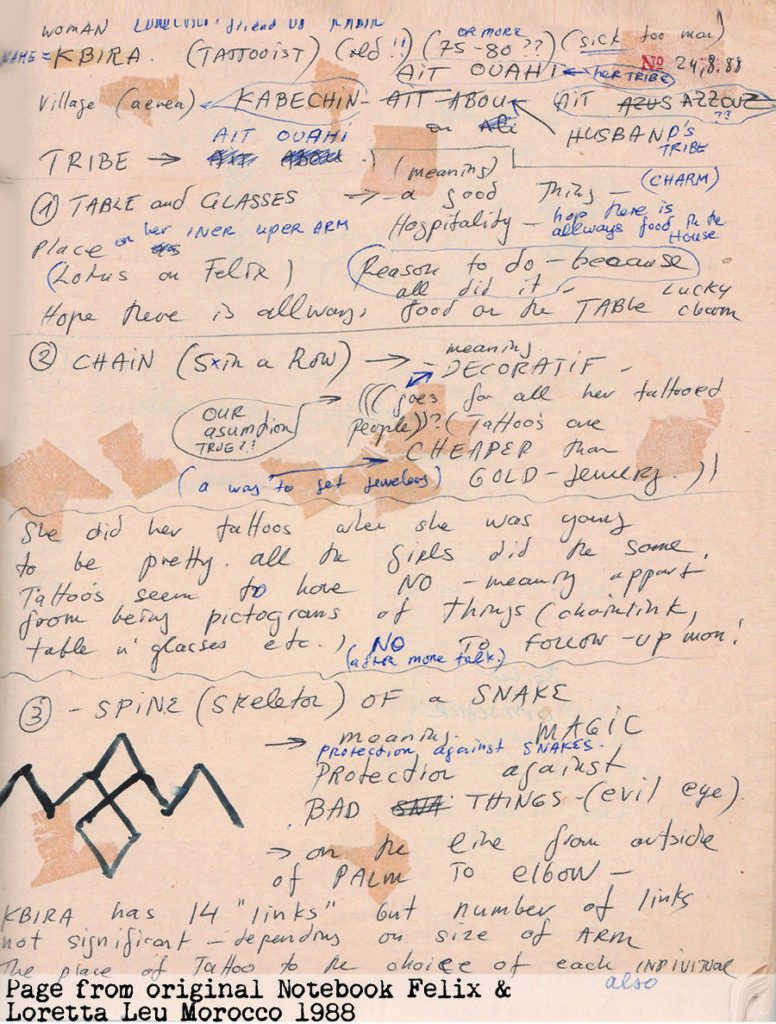
In 1988, when the Leu family first set foot in the Moroccan Atlas, they were welcomed by a local family, their only way to keep track of the art they witnessed was to learn, reproduce and draw these tattoos but also to understand their meaning and the history transmitted.
Berber Tattooing : an oral tradition of tattooing
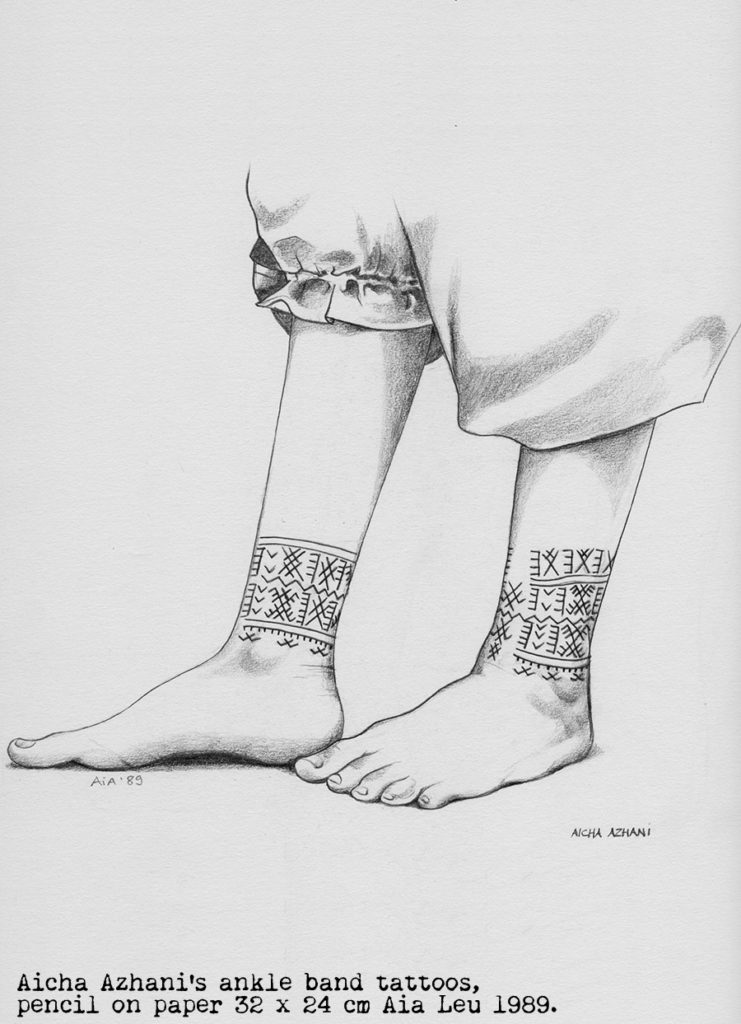
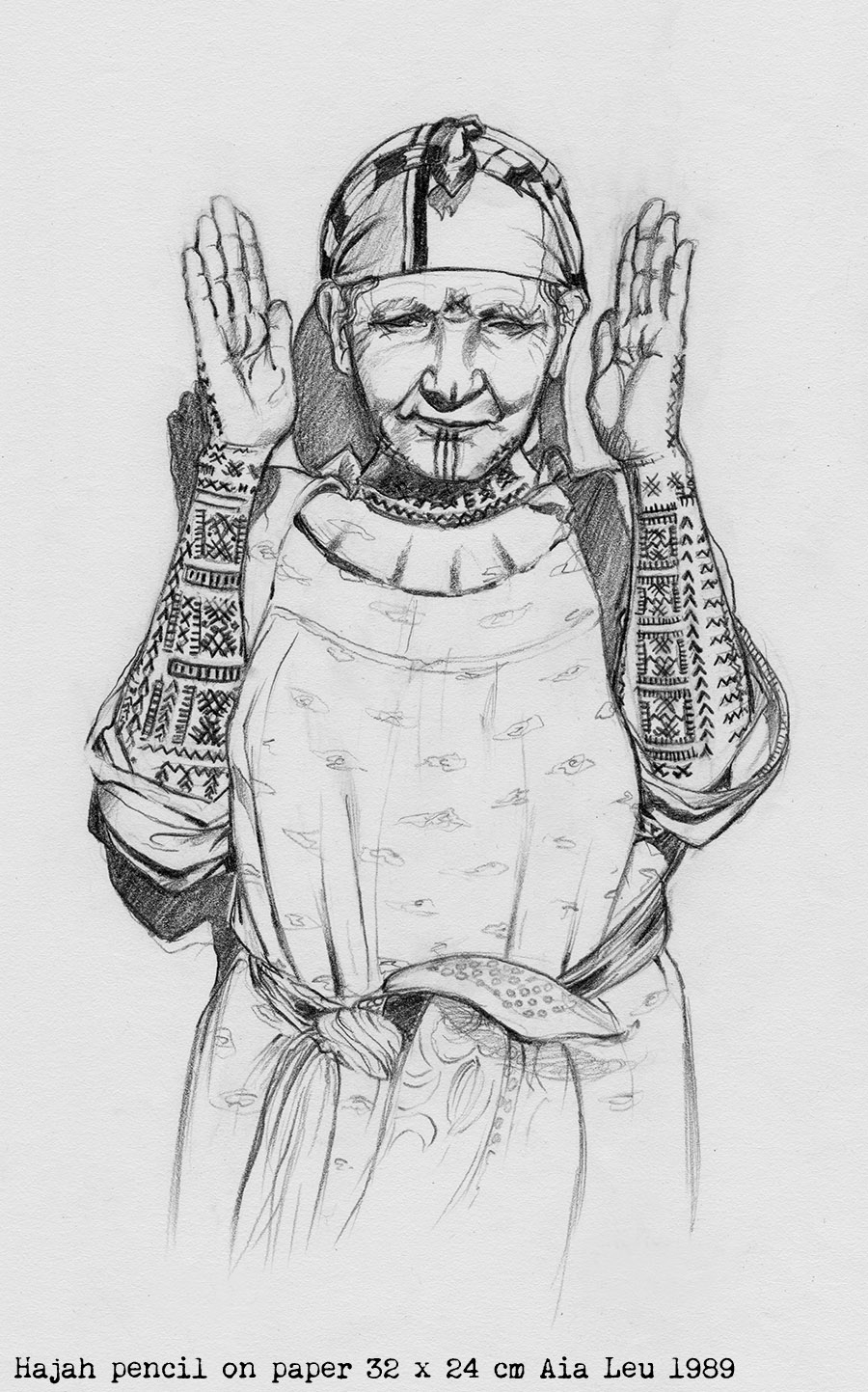
Only the oral tradition delivered from woman to woman and then the drawings of Aia Leu collected allow a thorough study of this art, ancestral art that Berber women perpetuate. A traditional tattoo that is part of their culture and daily life and captured with sensitivity in this book. Because this art is disappearing. Little documented, it is also less and less practiced today. Only the oldest generations are still the guardians of this invaluable knowledge.
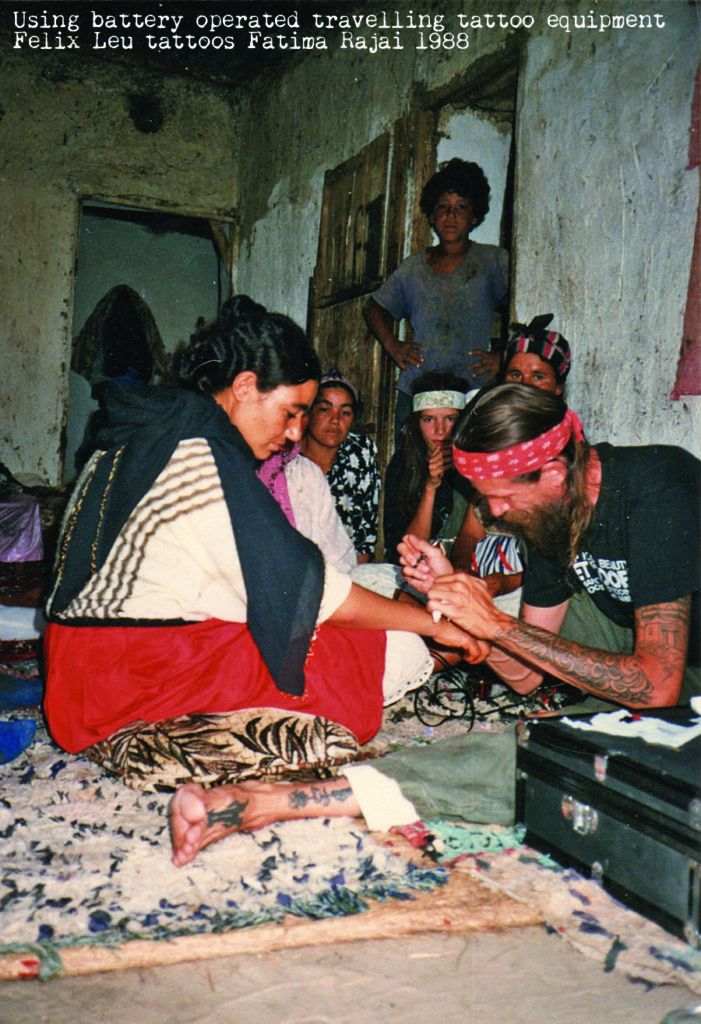
A tribute to tattooing, the family, art and these women resulting from the travels of Felix and Loretta Leu, a family of artists, who discovered tattooing in 1978, the book is a unique source of documentation.
Berber Tattooing In Morocco's Middle Atlas
Felix & Loretta Leu
Illustrations par Aia Leu
Publié le 16 Novembre 2017
50 photos couleur 37 illustrations
42€
FIND THIS ARTICLE IN FULL, PHOTOGRAPHS AND TATTOOS, ABOUT THE APPLICATION
ATC TATTOO

My body, my passport
Part. 1 Borneo Ibans build the tattooing tradition revival.
Text : Laure Siegel - Photographies : P-Mod - Translation by Armelle Boussidan (Bornéo, Décembre 2015)
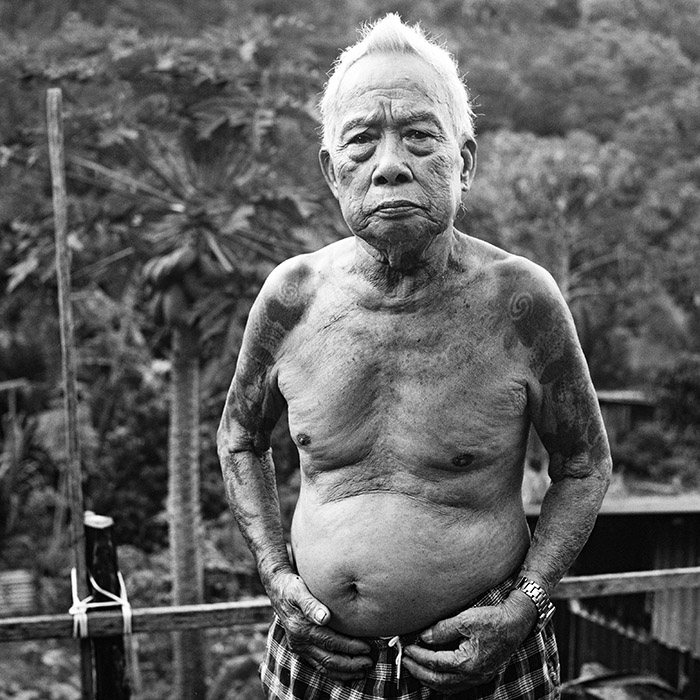
A people of pirates, head hunters, lumberjacks, planters and tireless travellers, Borneo's Ibans revive the tattootradition in order to recovertheir identity, lost in the limbos of history. We met the elders, whose armours of patang or kelingai - tattoos in the local language - represent roadmaps as much as a spiritual protections.

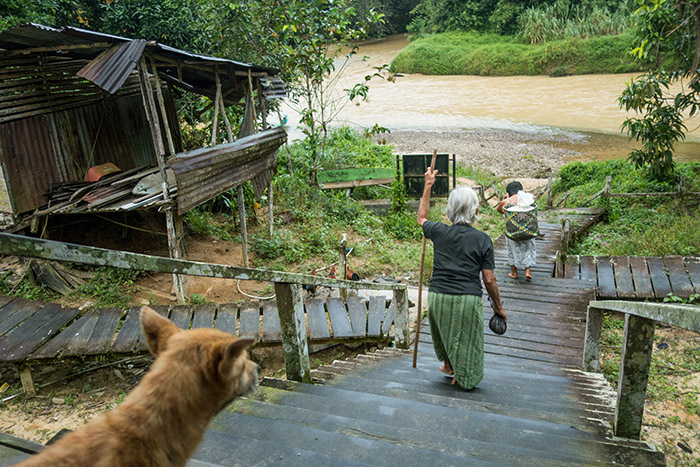
The tropical night has fallen onto the dense jungle as our canoe touches the sand bank. At this hour, only the python's whistles, the sound of the wind, the tinkling of glasses filled with langkao - the local rice alcohol- , the squeaking of Filipino fags and stories of days gone by, may break the silence. The members of the Iban ethnic group traditionally live in longhouses, big wooden houses on stilts which stretch along a mutual corridor and shelter about 25 families.
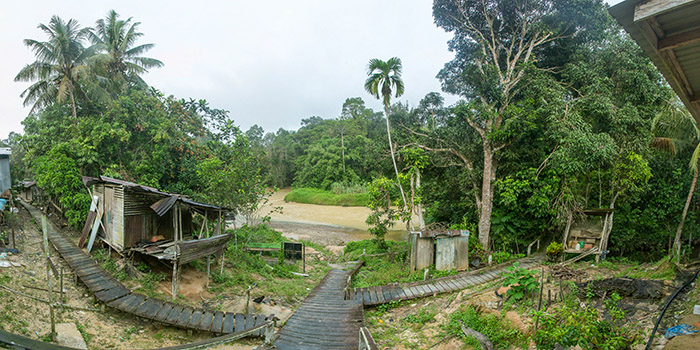
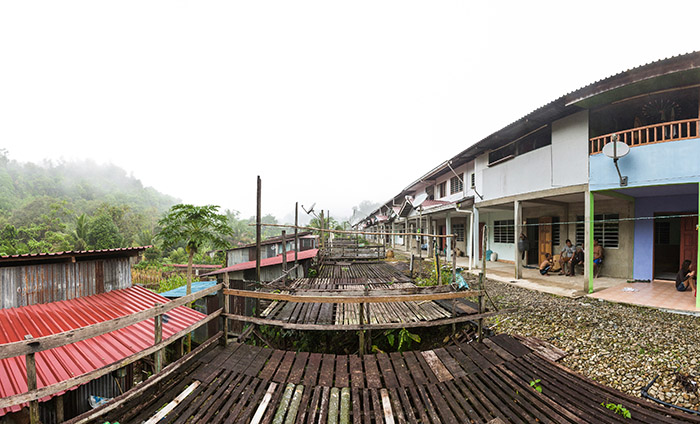
Some of them are only accessible via the river, since there is no road or since the existing road is regularly blocked by mudslides. Each longhouse has a representative, a tuai rumah, who gives their name to the village. Here, US is not the acronym for the United States, it rather means Ulu Skrang, the zone above the river Skrang. For administrative convenience after independence, the Malaysian government gathered several tribes under the name Iban, which comprises at least seven sub-groups, each with their own dialect, including the Skrang.
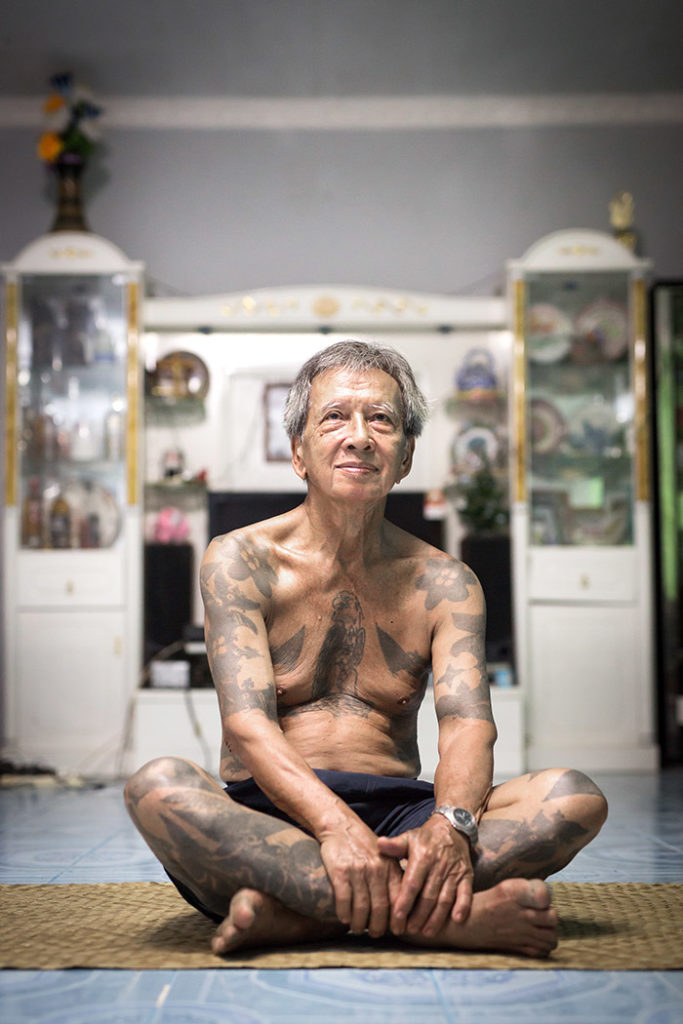
Ibans, also called the Sea Skrang, represent a third of the population of the state of Sarawak. From Java and the Chinese Yunnan, Ibans arrived during the XVIth Century via Kalimantan, a now Indonesian province south of Borneo. Loyal to their reputation of being fierce conquerors, they quickly dominated the other tribes of the fourth largest island in the world, and incidentally adopted and adapted their various tattooing traditions. Sat on a braided straw mattress in Mejong's longhouse, a four hours jeep drive from Kuching, Maja, an old man with very clear blue eyes tells us stories.

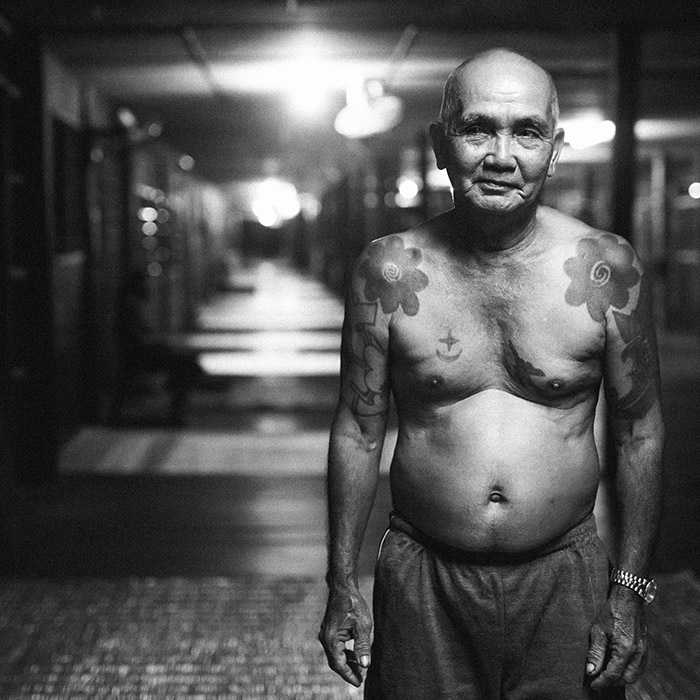
Villagers call him " Apai Jantai", Father of Jantai. At the end of world war II he was sent by the government in the neighbouring State of Sabah and then in the protectorate of the Sultanate of Brunei to work as a lumberjack. It was the only conceivable job for the men of Sarawak.
"Pepper did not make enough money because our village did not have the means to go and sell it to the merchants on the coast" he explains.
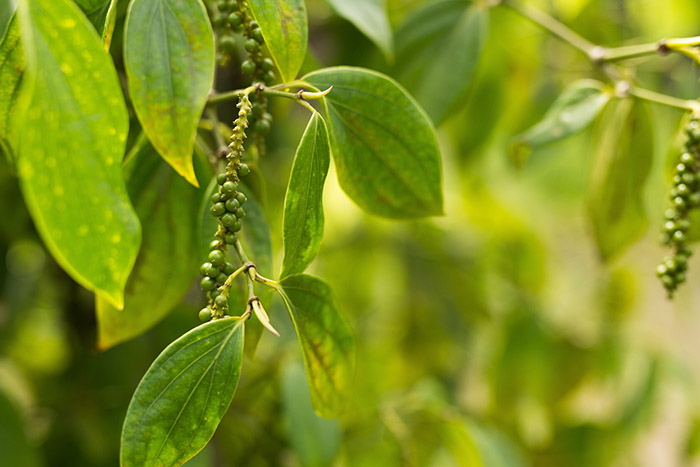
Whole generations of men hit the road for ten to fifteen years, for 500 to 1000 RM (120-240$) a year, cutting down trees with machetes in Sabah, breaking their backs in Brunei's petrol ports, or within the machinery of Singapore's gas industry for the most daring.
They came back every three years roughly, to visit their parents, get married and have children. Meanwhile, women were going to the fields, in the pepper, rice and rubber tree plantations. They brought up children and made their own mattresses and clothes. Every time the men came back, they had more and more tattoos.
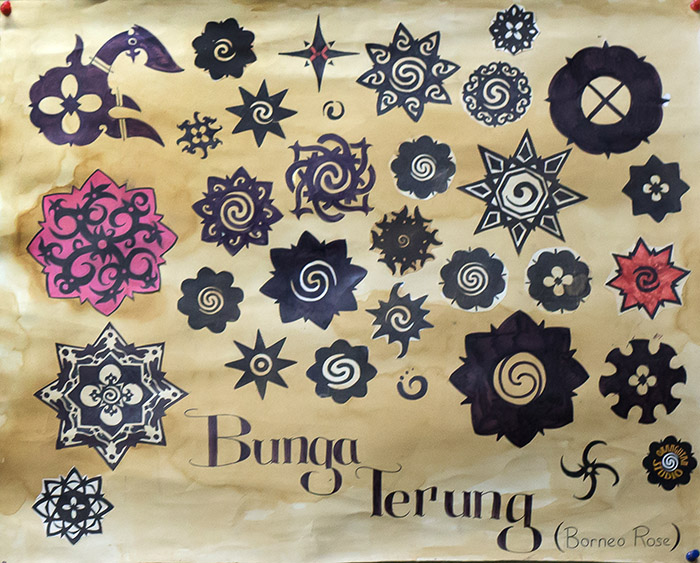
Bunga Terung
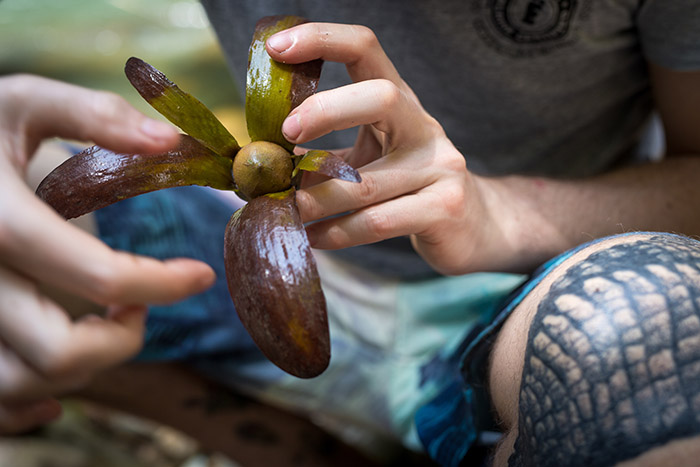
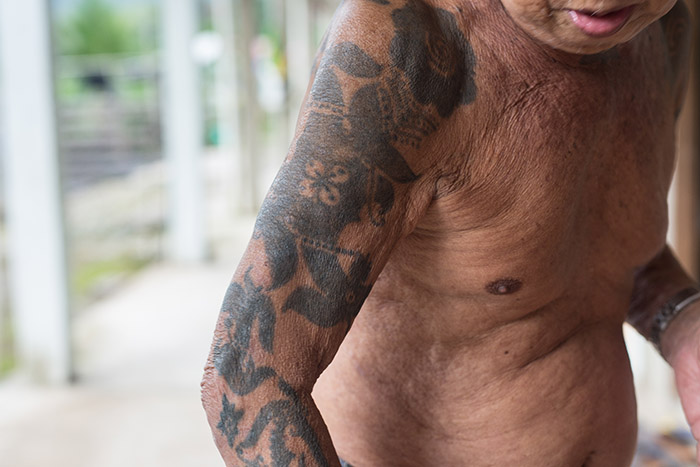
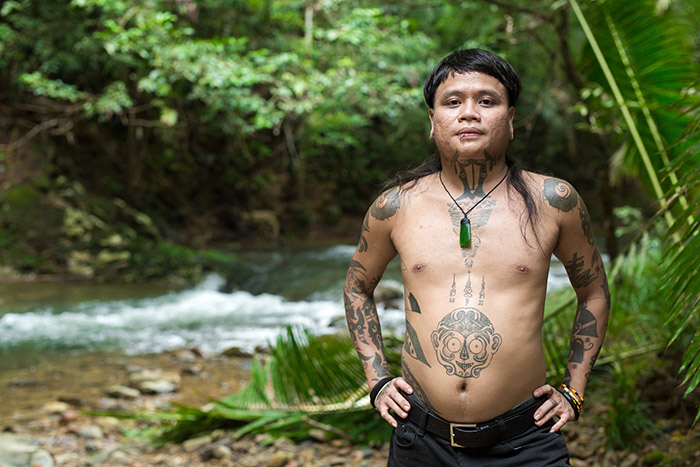
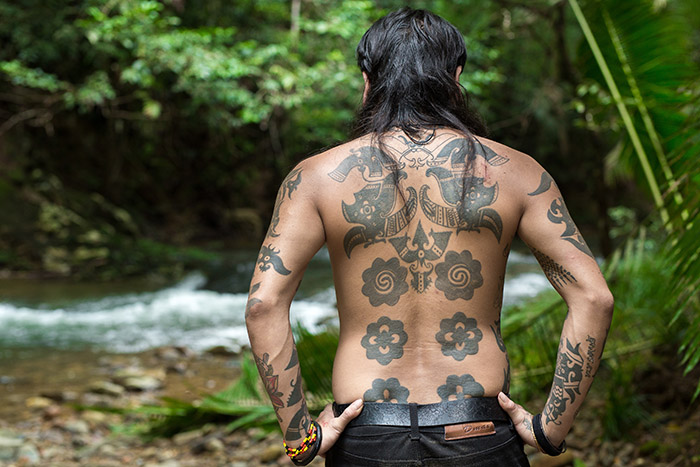
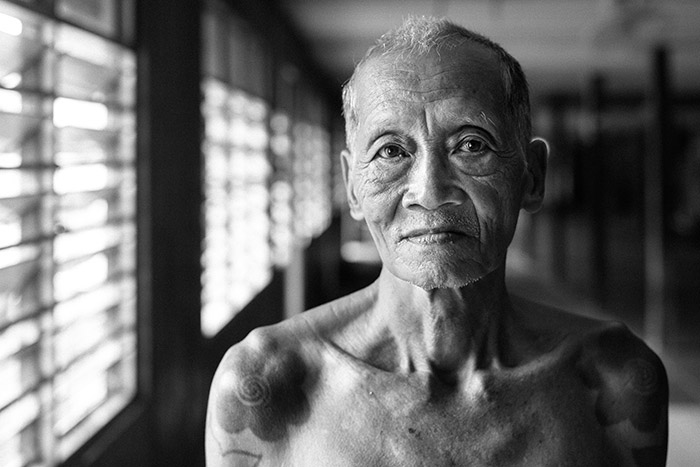
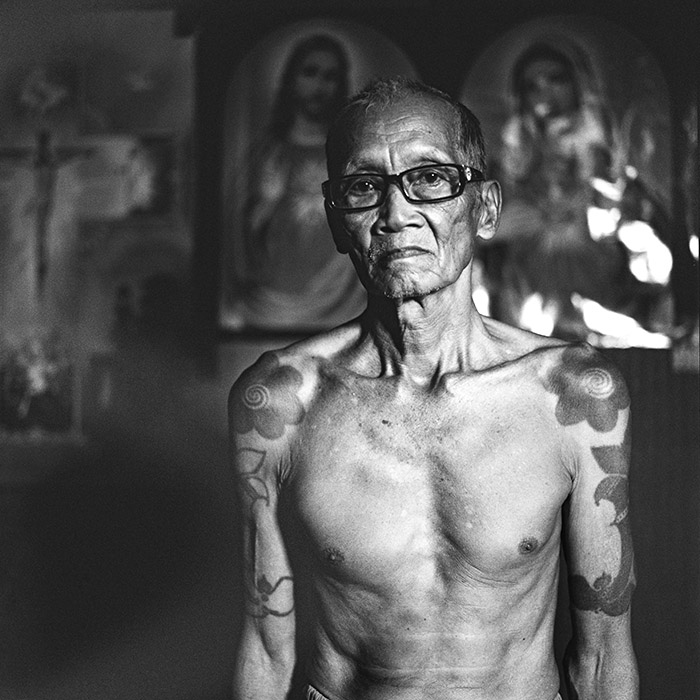
Traditionally, young Ibans begun with a couple of bungai terung tattoos, one on each shoulder. They are inspired by a local eggplant flower, called brinjal. The tattoo symbolised the passage to adult age, it signified a respect of the moral values of the village and signed the young man's departure for the belajai, the initiation journey.
These tattoos were opportunely placed by the straps of the wicker bag the young Iban was going to acry during his expedition to "discover the world". For a few months or a few years, he would walk from longhouse to longhouse, offer a hand for everyday chores, refine his knowledge of his own culture, listen to the elders, and in return he received tattoos. During the XXth Century this belajai turned into a temping pilgrimage from job to job, perpetuating the quest for social prestige. The more a man accumulated tattoos, the more he became desirable in the eyes of the women of the community. His marks were the symbols of surmounted obstacles and accumulated riches.
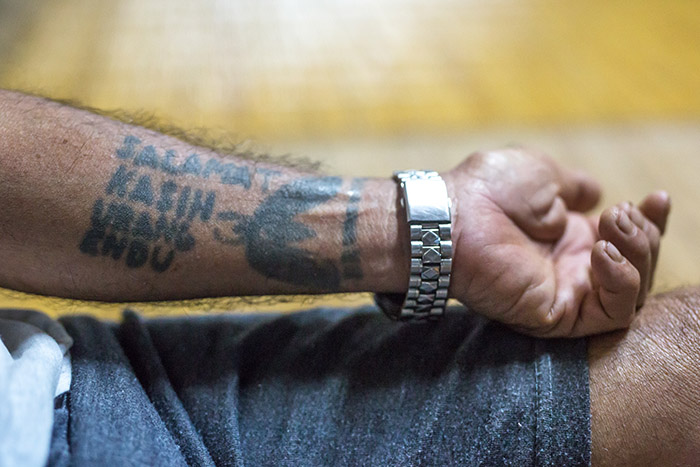
Iban tattooing from Borneo
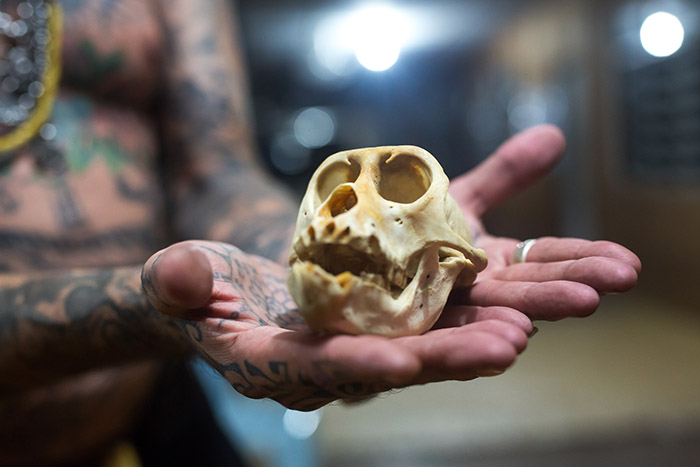
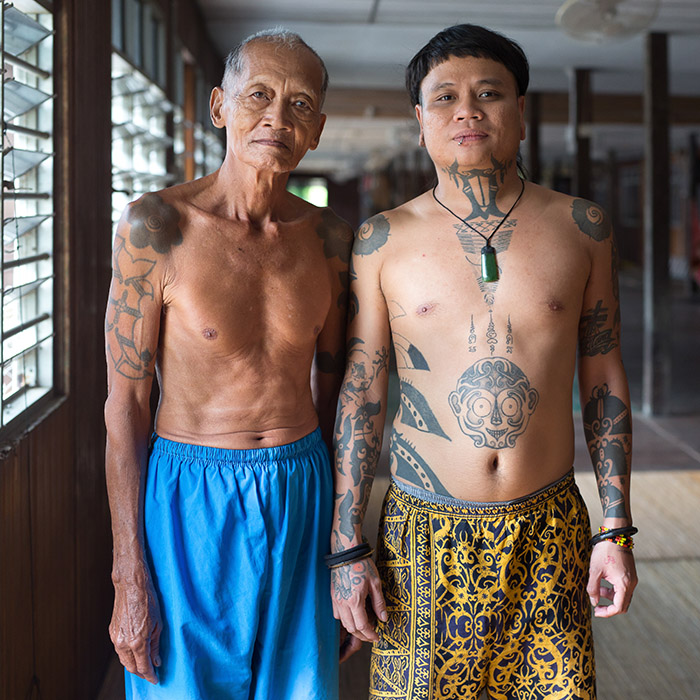
His body would become a journal of his travels and achievements. It is a road book, a passport, a strong sign of identification, which allows Ibans to recognize each other. On Maja's arm, reads a phrase "Salamat kasih semua urang" which means "Thank you everybody", tattooed in the city of Julau. A memory of all the visited place, tattoos are exchanged against an animal or human skull, an amulet or a knife. Metal has a high value, as a basis to make weapons and tools, but it is also offered to the artists so their soul does not soften and they remain hard inside themselves. Strength is needed to tattoo whole bodies on the floor, with just two sticks.
"Four people were tattooing my back simultaneously for over ten hours. Not with ink but with candle soot. I drank a lot of langkao to endure the pain" Maja recalls.
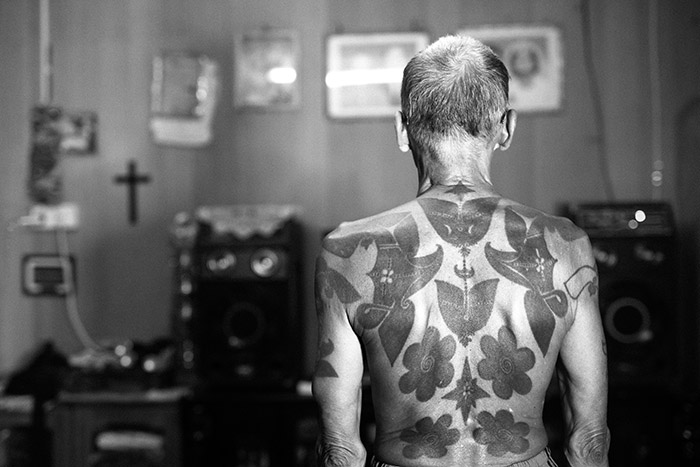
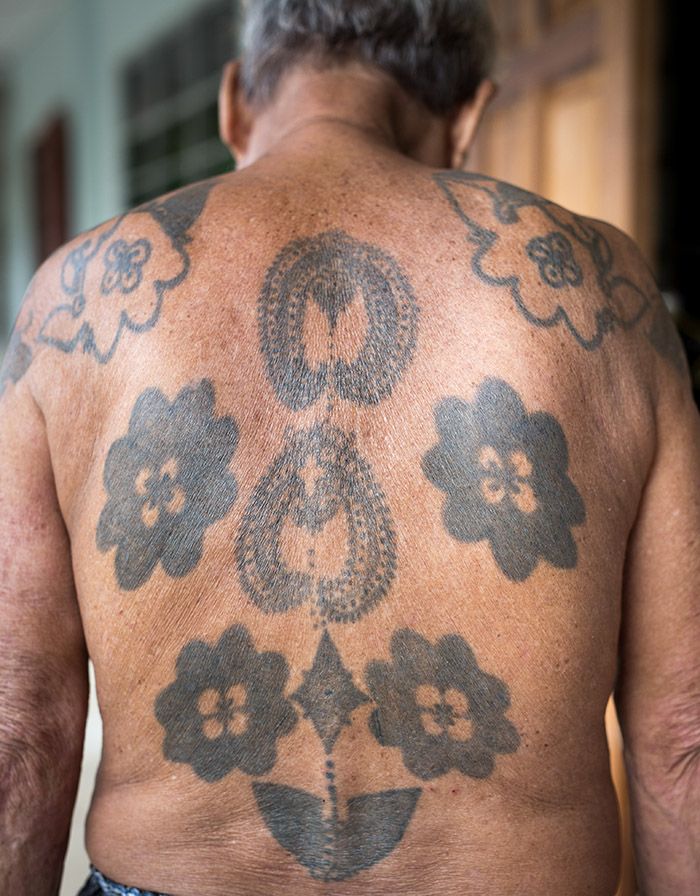
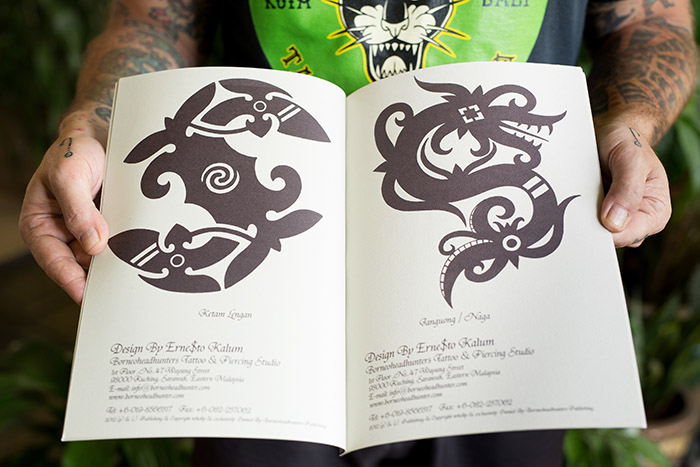
On his back forms the tree of life, the story of his existence. At the top, two ketam belakang, a pattern inspired by the shape of a crab, which to him represents a rebate plane, the tool of woodwork, symbol of his years as a lumberjack. On the arm it is called ketam lengan. At the middle of the back a buah engkabang, a maple seed falling like a helicopter, the fruit from which Ibans extract butter and oil. At the bottom the four flowers complete the pattern in an aesthetic fashion. On his chest, Maja wears a small star... it's a plane, he explained.
"The first time I saw one flying over the jungle, it was a very mysterious object for us so I had it tattooed, in order not to forget". A great part of Iban beliefs and practices are linked to a free interpretation of the environment. In some villages, elders still listen to bird songs to help them make decisions on a daily basis, and make amulets with what they're inspired with in the jungle, stones and fruits being gifts from the deities.
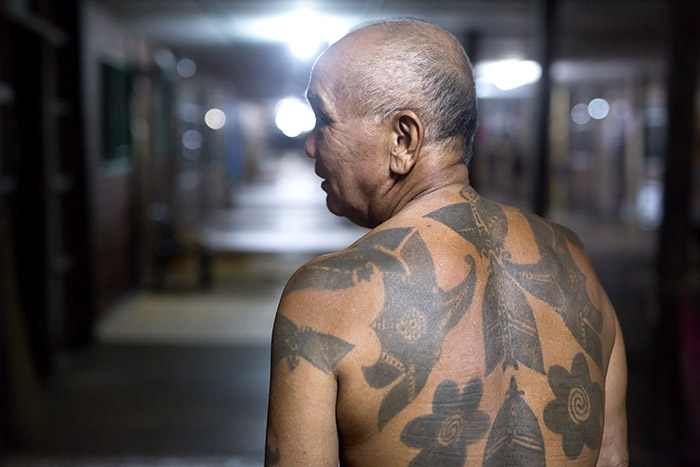
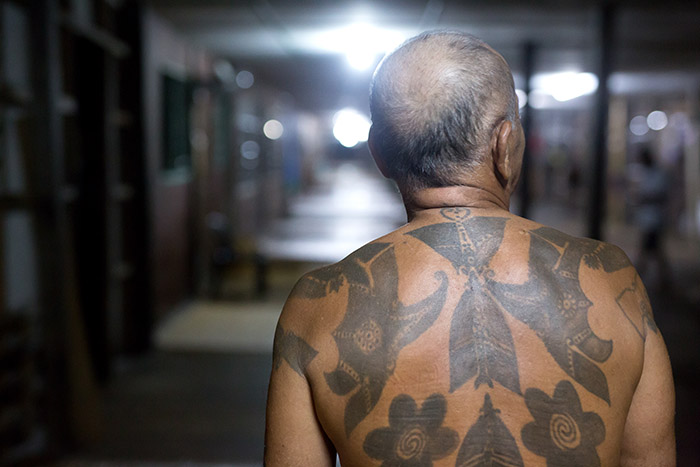
For Rimong, 70, the star among the flowers on his back represents a precise emotion. "Because I loved looking at stars in the evening with friends. It's a memory that fills me with joy". For the tattooer as much as for the tattooed, the meaning of each piece gives ample room to personal interpretation. On his arm, Rimong wears a tuang, an imaginary creature from his dreams.
The tattoos are an echo of their spiritual beliefs, the patterns being inspired by the power of animals, plants and humans. Before tattooing, a chicken was sacrificed to appease the spirits and ask for the god's consent. Women of the community respected the same ritual before weaving a pua kumbu, the sacred textile used to wrap the heads freshly brought back by victorious warriors and by shamans before invocatory ceremonies. With the ngajat, a ritual dance, the pua kumbu is another strong piece of Iban heritage.
Like the traditional tattooer invoking the spirits to be guided in the realisation of a pattern, Iban women weaved images that their ancestors showed them in dreams.
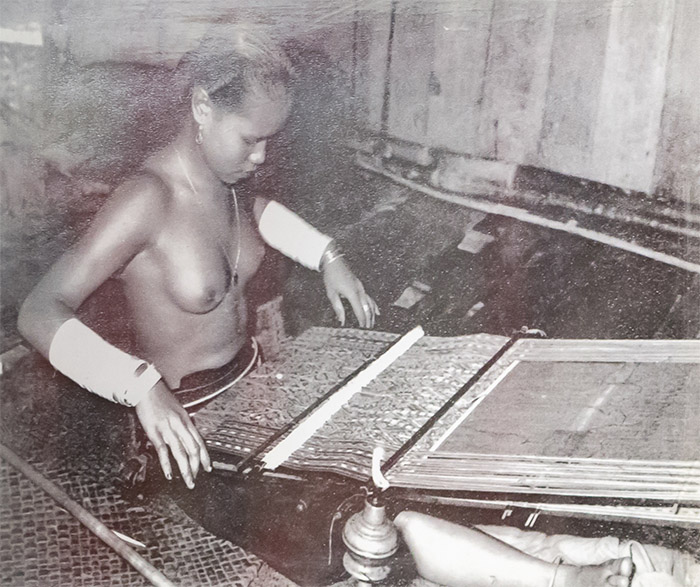
It was the kayau indu, the "women's war", practiced for generations while men were cutting the heads of their enemies, to attract the god's favours during fights against other tribes and for the harvest of rice. The best weavers were thanked for their essential contribution to the well-being of the community with a tattoo on their fingers, or a pala tumpa, a circular tattoo on the forearms. Iban women wearing traditional tattoos have almost disappeared today.
Also rare now, the tegulun, a tattoo applied on the fingers of victorious head hunters, the only one to necessitate a religious ceremony. In spite of the peace treatises of 1874 and 1924 between the Dayak tribes, head hunting reappeared sporadically, to eventually disappear at the beginning of the 70ies.
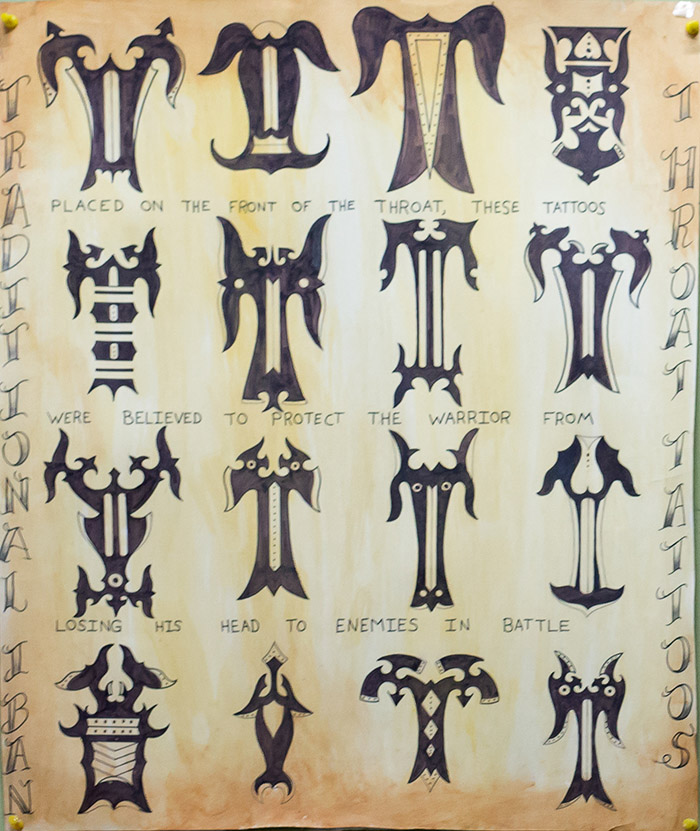
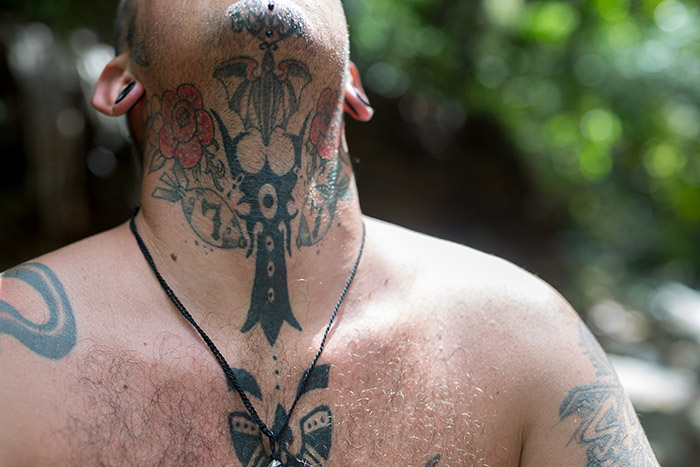
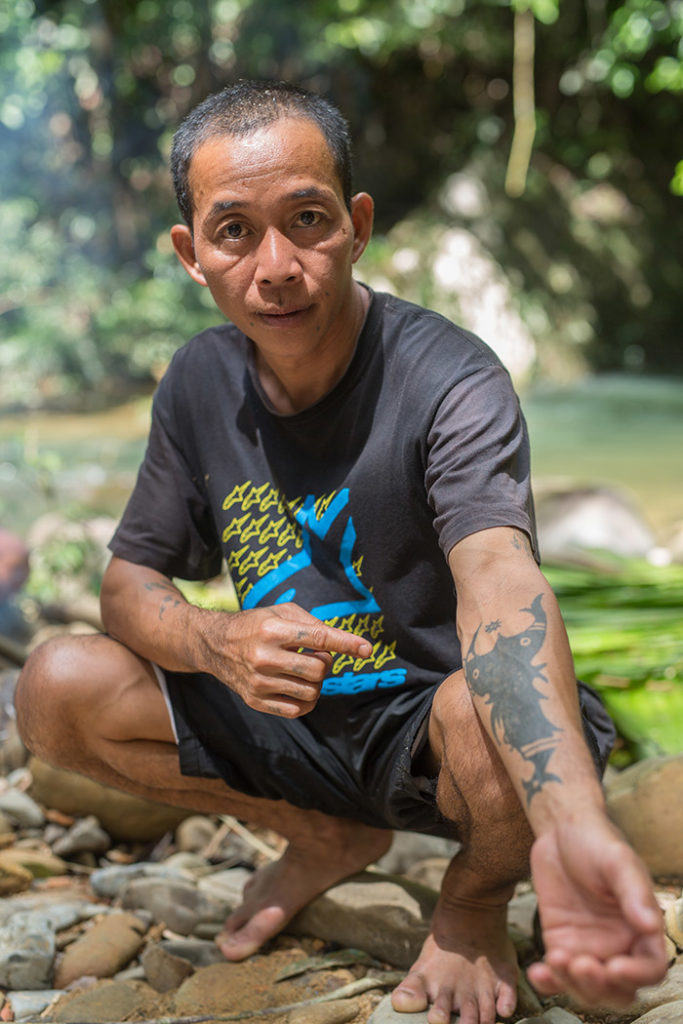
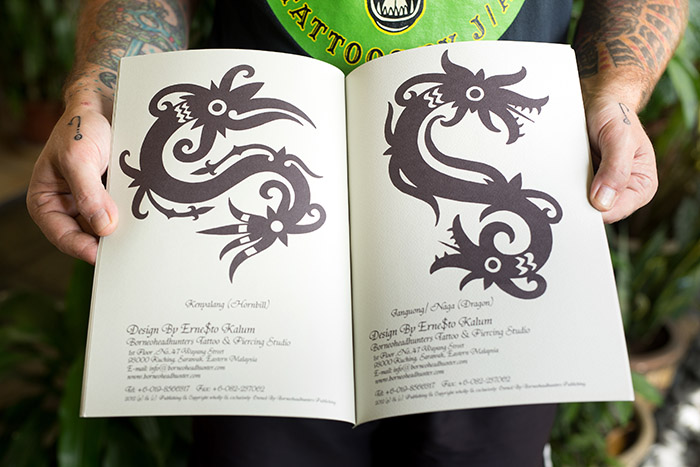
More common, the Ukir rekong, allegory of a scorpion or a dragon on the throat, symbol of strength based on the power of these animals. It protects the necks of warriors against the blades of rival tribes, while the back of the neck is protected by long hair. A good number of men share the motif of the fishing hook on the arm or the leg, a reminder of their activity as fishermen.

This whole cosmos was jeopardized when the Christian missionaries ventured into the jungle to impose the divine word in these villages which had been animists forever. In the kitchens, the gaudy portraits of Jesus and the Virgin Mary in 3D have become the only authorized decoration.
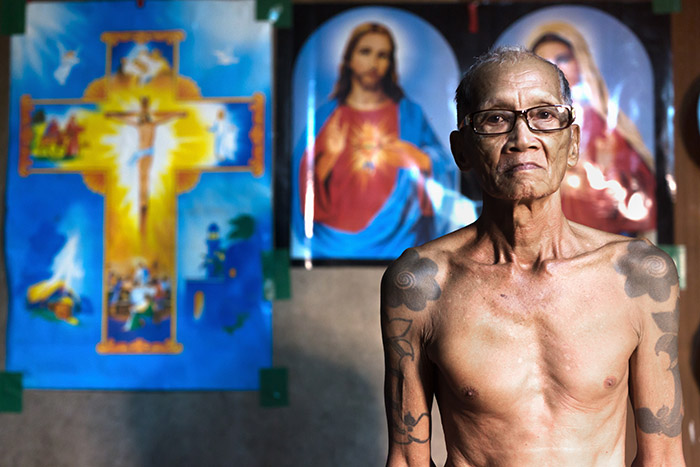
The forced Christianisation that started in the 60ies created a deep breach in these communities. Today, 80 to 90% of the inhabitants are converted in longhouses, some of them become priests, and most of them go to church on Sundays. A church to be found in each minuscule hamlet by the soccer field. In the long house Lenga Entalau, the missionaries arrived late, only fifteen years ago, but they made up for lost time with brutal measures.
All the elders were forced to burn their relics, amulets, remedies and skull-trophies bearers of life, or to throw them in the river. Some of them became ill at the sight of the brazier, as if their soul was consumed at the same time as their precious goods. Some resisted passively, hiding their last skull in a plastic bag at the back of a shed, or entrusting the objects charged with black magic to a son gone to live in the city.
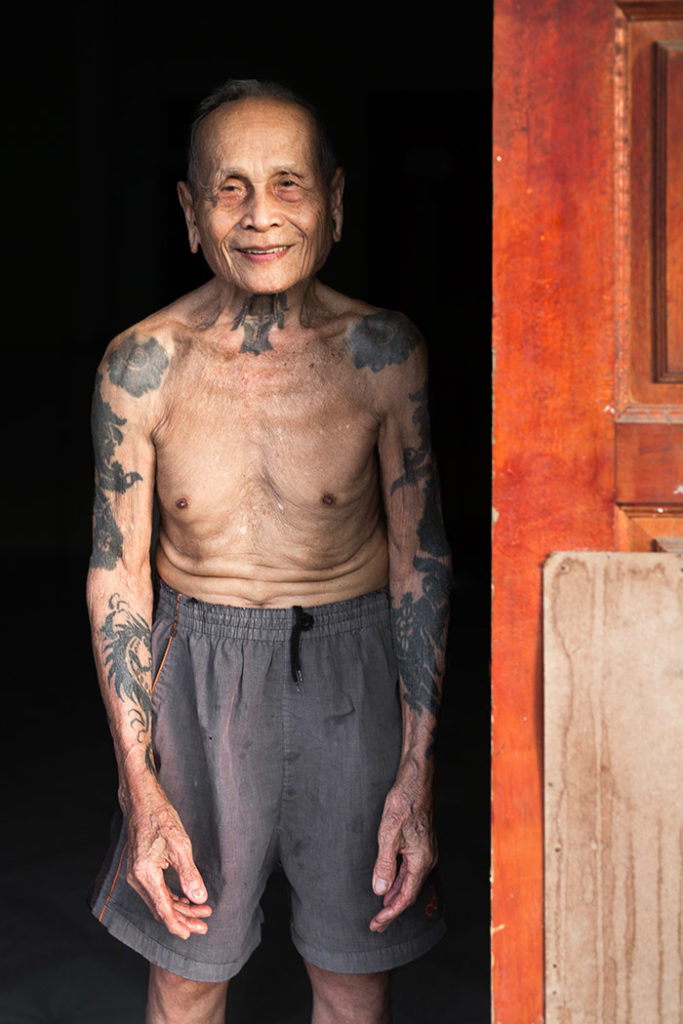
Bryan did not give in. 97 years old and covered with tattoos, he worships seven deities, messengers between men and Petara, the supreme god, as well as the various spirits and ghosts that make the Iban pantheon.
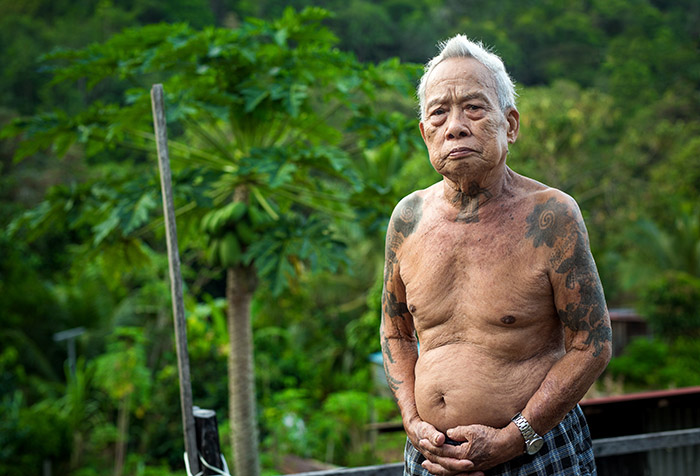
Ibans during WWII
His tattoos protect him against strokes of bad luck. He is convinced of this since he heard a story during world war II. In 1940 some Ibans were enrolled in the British colonial army, where they formed the most part of troops assigned to the protection of the coast of Borneo against a Japanese landing.
A waste of time, since the imperial army occupied the island and gave the locals a hard time, starved, tortured and massacred them. A lot of them escaped in the jungle. At the end of the conflict, in collaboration with the Allies, they set up a guerrilla to chase the occupier: it was the Borneo Project.
Japanese soldiers dropped like flies under the hits of poisoned blowguns. Bryan was one of those rangers in charge of holding the line against the Japanese, who never managed to reach Ulu Skrang. "One day, an Iban regiment fell into a Japanese trap. The only survivors are those who had kept their amulets and had not converted to Christianity" he asserts.
Today, the young generation has distanced itself from institutionalised religion and a minority is starting to be interested in their ancestors' past.
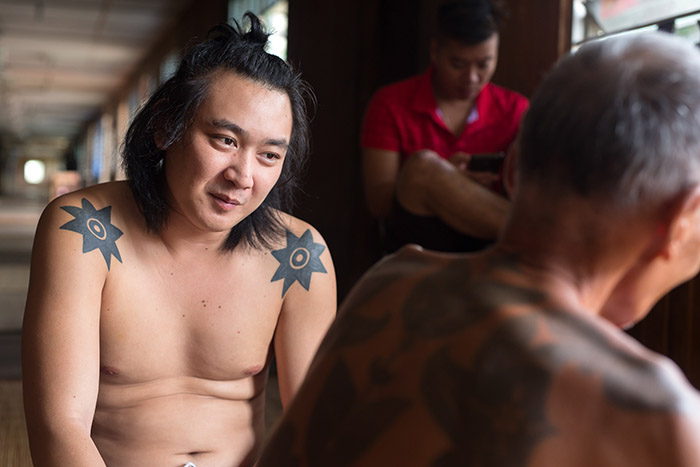
This minority thinks that a degree is not enough to prove one's social worth. Facing constant attacks against native culture by religious people who want to model their soul, by politicians who want to suppress their idiosyncrasy, by business men who devastate their forests with bulldozers - and globalisation sweeping away everything as it passes by, the Iban tattoo is becoming a part of the culture again.
More a community than a ritual, more a sign of defiance against the times than a sign of appeasement destined to the gods, adapted to the taste of foreign visitors and sometimes emptied out of its spiritual substance, tattoos remain an important ethnic identification mark facing a terribly uniform world.
Going further
" Iban culture and traditions : the pillars of the community's strength " by Steven Beti Anom, a work of reference on the history of this people.
"Panjamon: une expérience de la vie sauvage", by Jean-Yves Domalain, The travel diary of a French naturalist who lived in an Iban tribe at the end of the sixties. Even though he was married to an Iban woman, tattooed and accepted by the community, he had to escape to save his life, poisoned by the village's shaman.
Sarawak (1957) and Life in a Longhouse (1962) by Hedda Morrison, a German photographer known for her pictures of the Beijing of the 30ies and 40ies, and of the Sarawak of the 50ies and 60ies. She lived in this region of Borneo for twenty years, and her photography missions in the district of Kuching granted her a rare access to numerous communities.
FIND THIS FULL ARTICLE ONLINE, PHOTOGRAPHS AND TATTOOS, ON APPLICATION ATC TATTOO
Ernesto Kalum, diehard Iban
Text : Laure Siegel / Photographies : P-Mod (article publié en 2015)
Part 2. Borneo Headhunters
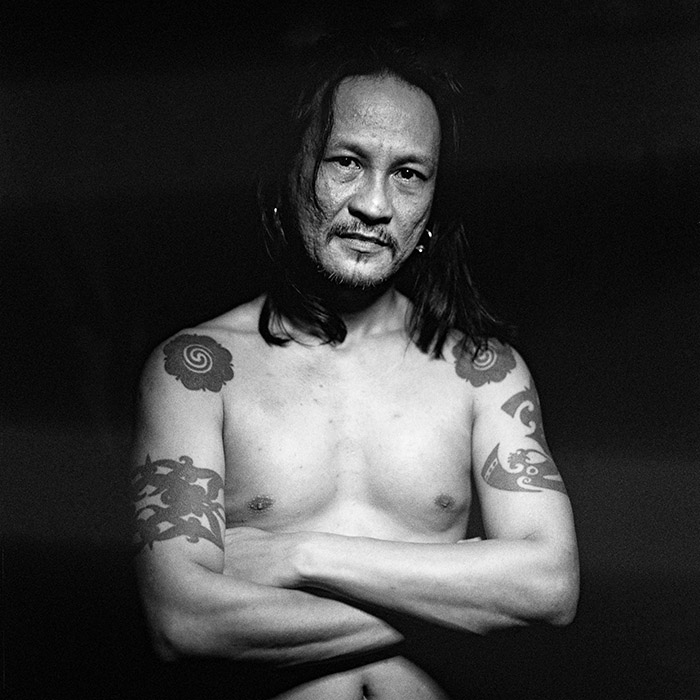
Fifteen years after having engraved Filip Leu's throat, Ernesto Kalum walked his own path, from international conventions to ethnological research, keeping out of fads and the mundane. For the local boy, Borneo's Iban culture is breathing its last breaths. However, he will defend it until the end, as he has done for twenty years. We met him in the Borneo Headhunters Tattoo Studio, his headquarter in Kuching.
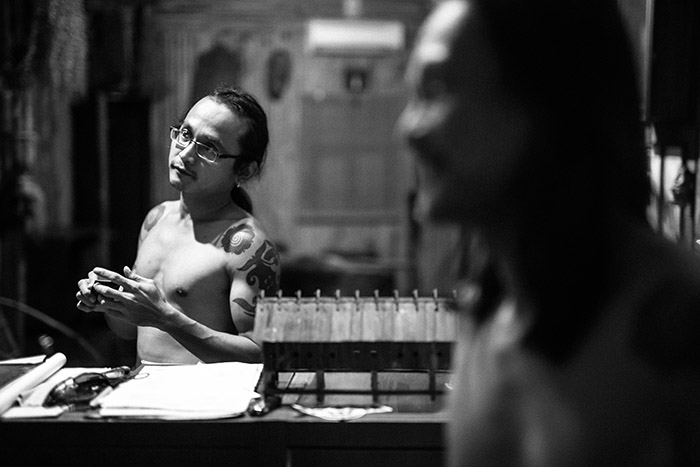
Born Iban in Sibu 45 years ago, the civil servant's son was passionate about tattoos since he was twenty. " I wanted to get a tattoo but there was only one shop, specialised in old school (celui de Yeo, pp-). I started to tattoo myself, my first piece is this Superman logo on my calf." In 1998, after some experiences in the banking sector in London and the naval industry in Singapore, he decided to open a studio:
"There was no future for tattooing. I prayed every day that at least one client would come through the door and give me something to do. I spent my days drawing. It was very difficult for a young man from a tribal minority to shape his life in Sarawak. So I fled my country because there were no opportunities. »

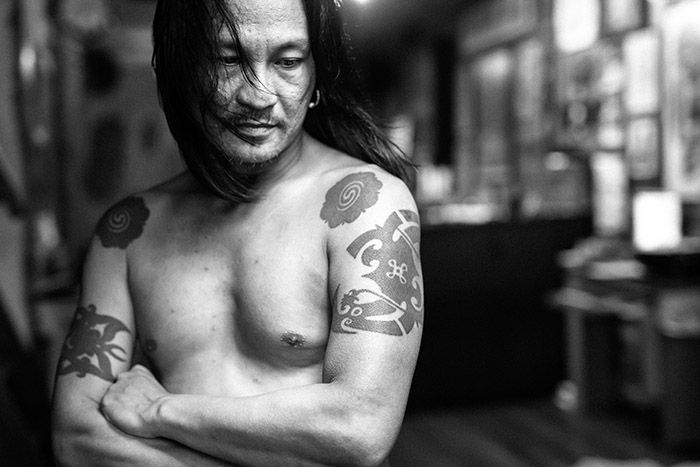
Ernerto Kalum iban tattooer
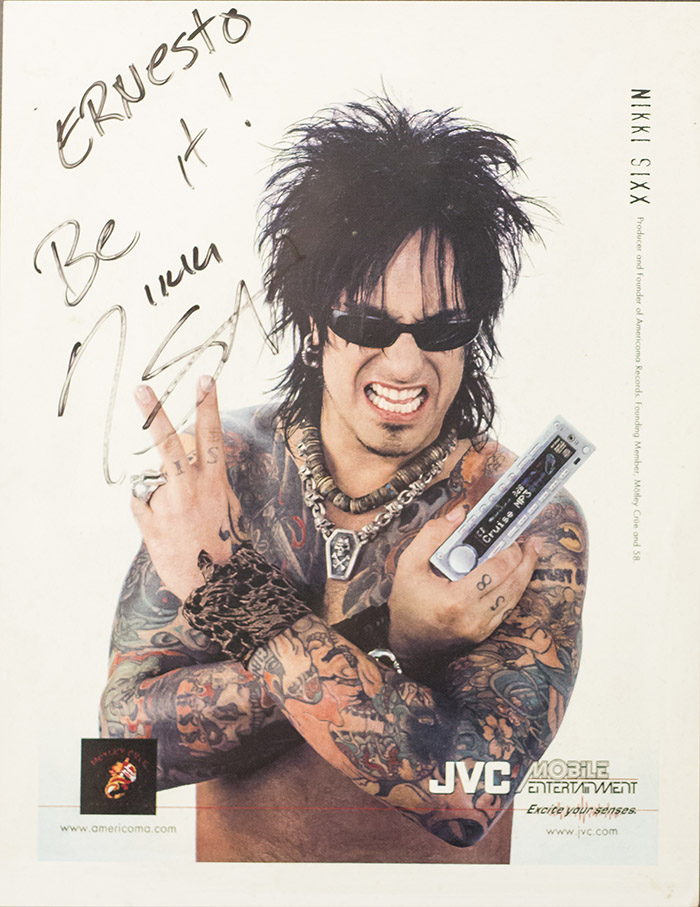
Two months after he had opened, he went back to Wolverhampton, a small town near Birmingham, where he obtained a degree in law a few years earlier. He was used to tattooing his mates for fun against beer and cigarettes. He finally exploited his gift for drawing and started his professional career as a guest at Spikes Tattoo & Piercing. He nicked rock'n'roll stuff, in the Mötley Crue inspiration, but his work on the Iban patterns he brought with him showed some real graft.
He stayed in Wolverhampton for a year, and cherishes the memory of a Mötorhead concert for a ten pounds ticket. He then applied for over 150 conventions. Only one answered, the one in Lausanne in 1999.
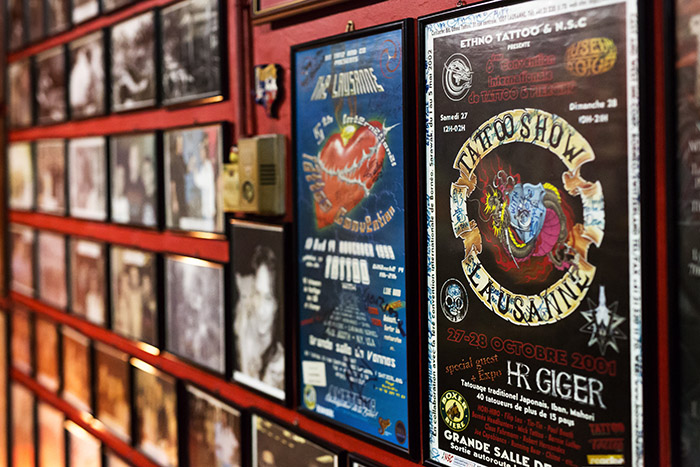
Lausanne Tattoo Convention, 1999
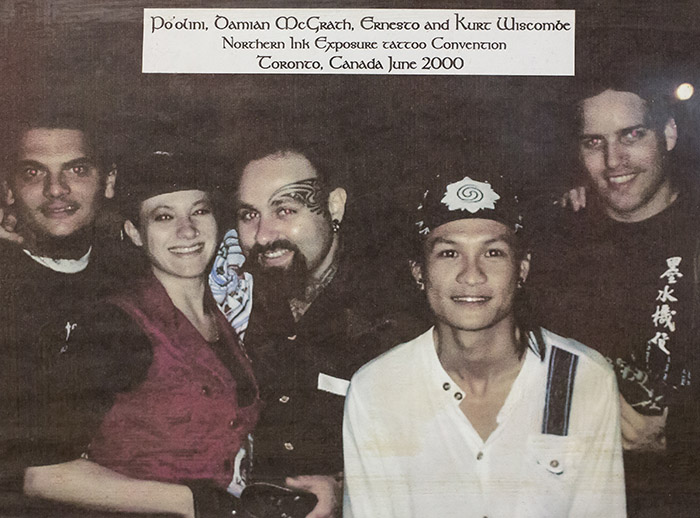
"I met them all then. Tin-Tin, Paul Booth, the Leu family... I thought that Filip was a musician, he looked like the Aerosmith's guitarist. I was innocent, I didn't know anything about the big names." He made friends with Bit Schoenenberger, alias Sailor Bit, and settled in the Swiss city for a year to work at Ethno Tattoo, in the shop of the guy who became his best friend.
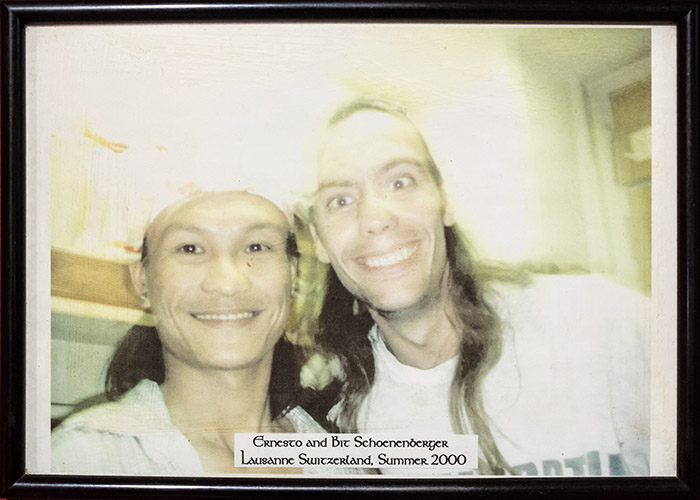
He tattooed more and more Iban patterns, whose rise was favoured by the revival of tribal style, but always with a machine. One day Felix Leu arrived behind him as he was tattooing a client. "He took the machine from my hands and threw it in the bin, without saying anything, and he left."
Ernesto, who possessed the art but not the method for everything to make sense, went back to the jungle. "I had to understand my own culture, the very culture that my grand-father was not allowed to tell me about. At the time, the trend was to sweep away the past, to stop talking about these old-fashioned things, get a degree and find a modern job. I did the research myself with the elders who accepted to help me in spite of the pressure they were under. »
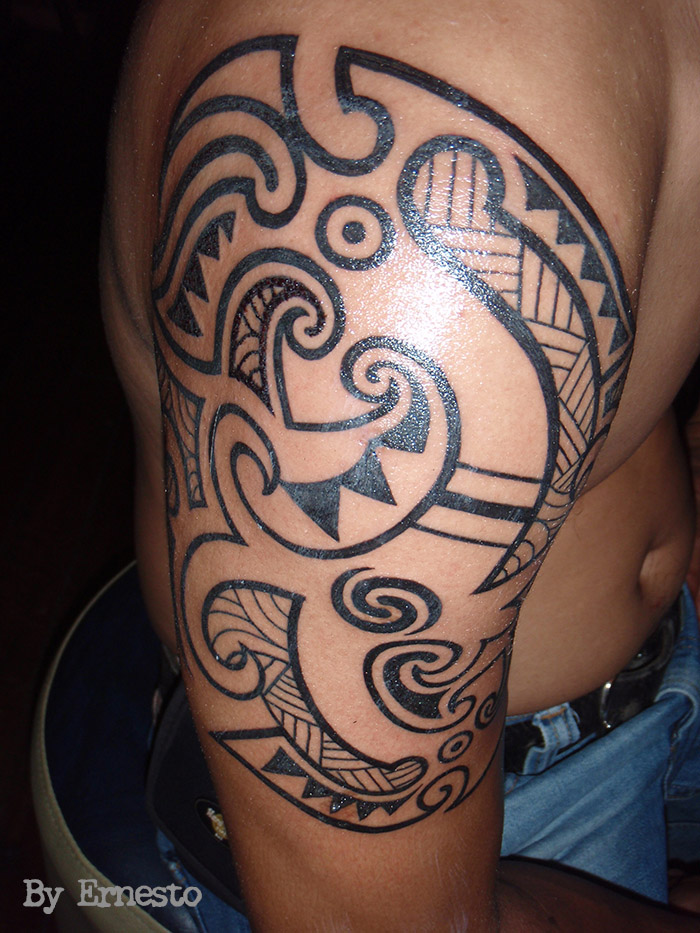
Hand Tapping comeback
When he came back to the city, he inaugurated his first hand-tapping. "It lasted a long time and the volunteer suffered a lot but the pattern was perfect. I was very proud." Drawing on his experience, he went back to work at Ethno Tattoo in the year 2000. The golden occasion was not long awaited. "
Filip Leu came, he looked at the images of the old tattooed Ibans that I always carried with me and he said to me "So you're going to tattoo me with this, right?" Ernesto did not feel ready to achieve what Filip urged him to do: the Iban scorpion on the throat, the same tattoo that his mother Loretta wears, done by his father Felix. Seeing his hesitation Sailor Bit did not beat about the bush: "If you do this tattoo for him, it will change your life. »

Felix wanted his son to be tattooed at the 34, the mythical headquarters of the Leu family on Lausanne's central street ." The former shop, it was a special place. Miki Vialetto was here, Felix Leu was here, everyone was here. It was really important for Filip to wear this piece and that it be applied in a traditional way. I really gave 120% of myself during these hours of work. It was a very spiritual moment." The day after, his career jumped and he now prays for his agenda to get lighter. "Everything changed. Everybody wanted me to tattoo them. In two weeks, I booked a year of appointments."
During those golden years, he rubbed shoulders with those who will become his main inspirations, the world figures who elevated tattoo to the rank of arts: Filip Leu (Switzerland), Paulo Suluape (Samoa), Leo Zulueta (United-States), Roberto Hernandez (Spain), Bit Schoenenberger (Switzerland), Horiyoshi III (Japan)...


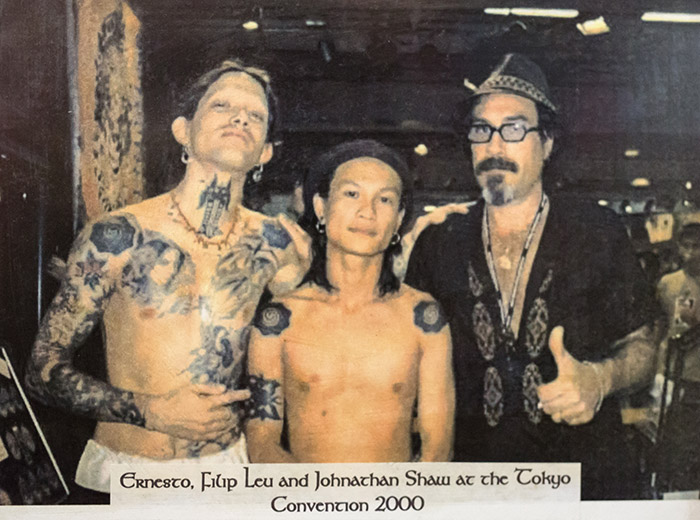
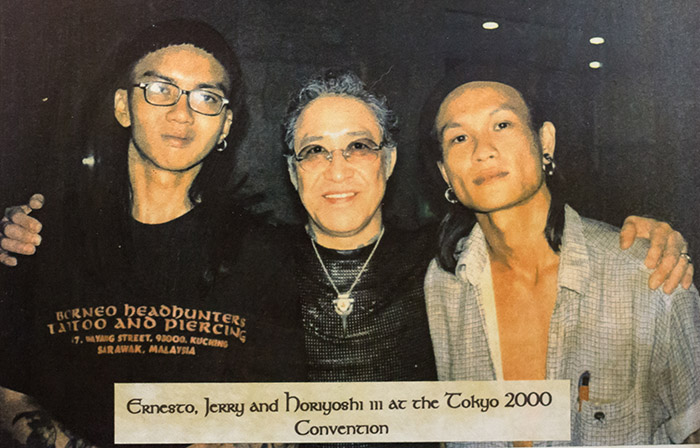
Ernesto, Iban tattooer in Kuching
Ernesto talks about his call with deep respect: "Tattooing has been a lucky way for me to discover the world, in return we have to help preserve the reputation of tattooing".
In 2003, he felt that he had to come back to Kuching." I was always on the road, I didn't have the feeling of belonging to such or such place. My home was where I was happy." Isolated on his island, he also hoped to better control the crowd of clients. A waste of time, the shop was always full to breaking point, so he closed his door. He only tattooed on appointment, with a rhythm that allowed him to transmit a positive energy to each of his clients. His clientele was made up by 40% of collectors, 20% of tourists and 40% of locals.
Since 2008, he is assisted by 31 year old Robinson Unau. An architect and Ernesto's client, he quit his job to follow him. Ernesto chose him for his spirit. "It's hard to find people with a soul nowadays". But even the one who became his right-hand man still tattoos with a machine. "He feels he has to go in this direction and tattoo by hand but he doesn't feel ready to do so. We are working on it! »

Ernesto is dedicated to sharing his knowledge: as a speaker at Sarawak's museum, a counsellor in movie productions that comprise parts of the Iban culture, like the movie The Sleeping Dictionary, and as a producer of traditional music. He organised a first event in May 2002 in the cultural village of Sarawak, The International Borneo Tattoo Convention, and a second convention in 2007. "I just want people to be interested and that they know who they are and what they do. My community is right here but nobody listens, everybody wants to make money. I can only give some information to a few people, I am realistic."
He is not very optimistic about the survival of his culture, severely torn by years, forced Christianization and frantic globalisation. "Iban culture died with the generation of my parents. I still respect ancestral beliefs, but I got tattooed when it was already over. I am a museum specimen. We do not get tattooed to inscribe ourselves in the present, which is totally disconnected, but rather to reconnect with our roots. When there is nothing spiritual or religious left, in these conditions it is easy for a culture to simply disappear. Without culture, who are you? »
Without culture, what do tattoos represent? "People only want rock'n'roll. And you will always loose against rock'n'roll. In the past years, even the Iban tattoo has become rock'n'roll, and has lost a lot of its soul. We can't just ink anything anyhow, we have to keep parts of the original spirit. Ibans under 30-35 don't know much about their culture. All this knowledge disappears, in favor of TV sizes, car brands, or professional status and money in your bank account. It's a pity that it is such a waste, that we don't fight a bit more to keep some identity alive. The deletion process of aboriginal cultures is very brutal. »
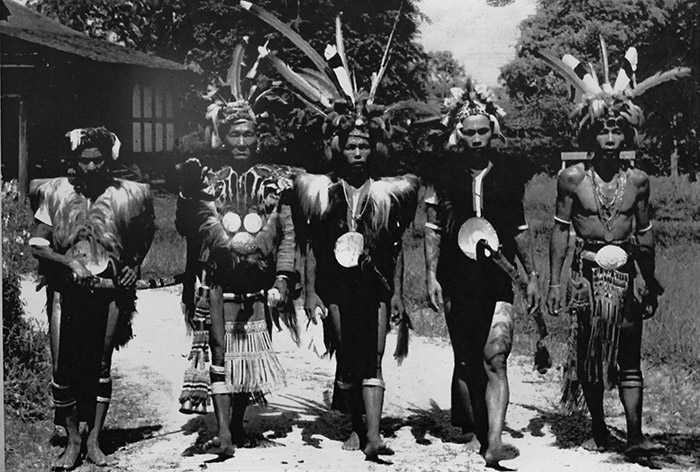
To him, the preservation of a part of the culture is paradoxically intertwined with its opening to the world. "If I hadn't tattooed outside of this country, and hadn't gone to conventions abroad, people here would never have been interested in Iban tattoos. It's MTV's theory. It has to come out, to have success outside, and to come back, and it will be popular again... For me, it is not a contradiction that Iban patterns are tattooed by foreigners on foreigners. The Leu family drew inspiration from Iban culture for their floral patterns and that is very good. Iban means 'being human'. If the person is clear about their life's path, informed of the reason why they want this tattoo, no problem, I'll tell their story on their skin. »

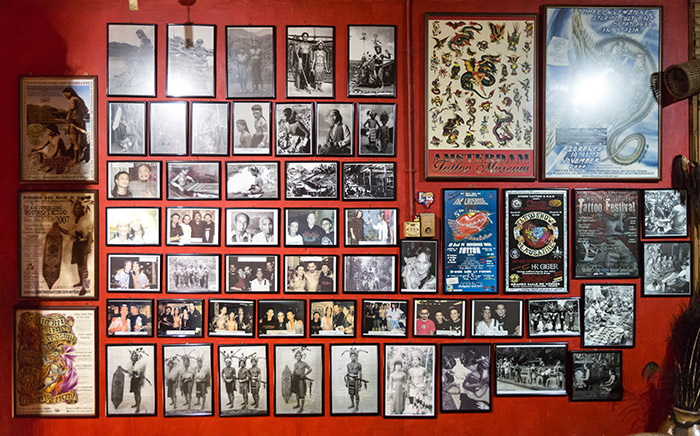
Ernesto and Robin will be at the Paris international convention ("Mondial du tatouage") like every year since 2012. In the meantime Ernesto enjoys his daily life in his peace haven. Braided mattresses on the walls and on the floor, aligned books and VHS tapes, pictures of his path alongside the big names of tattoo, original drawings, arts and crafts from Borneo ...his studio is the result of a whole life that he has patiently built. But his city is changing, more "lounge" bars, more traffic, more air conditioned malls.
Ernesto is starting to think about retirement. "I am giving myself another eight to ten years in the job, and I'll retreat in the jungle, in my other house." He also has his throat to cover, which he leaves to Filip Leu of course, when the time will be right.
http://www.borneoheadhunter.com/


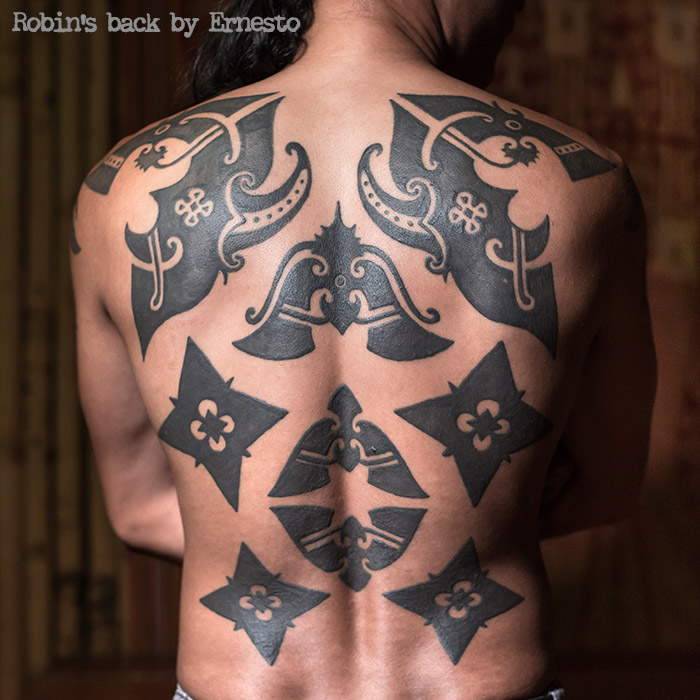

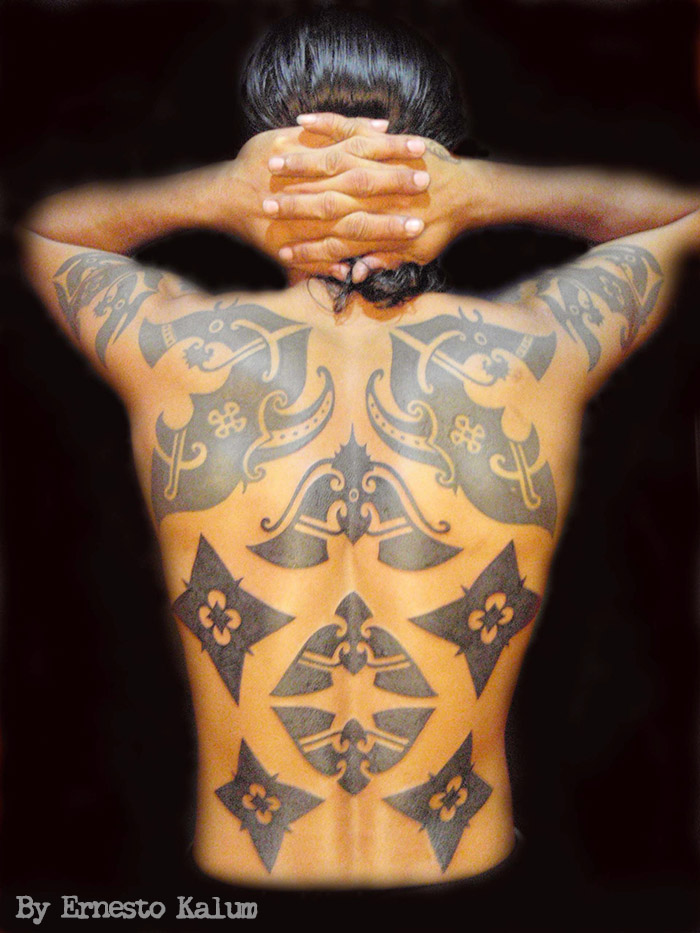
Ernesto made a book on the Iban tattoos. Here are a few examples.

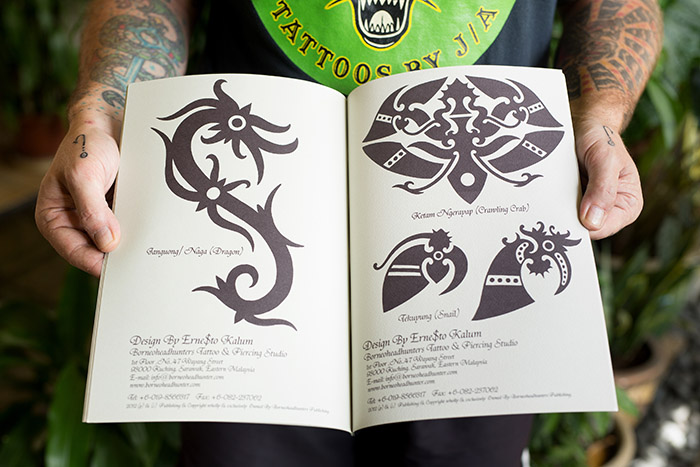



FIND THIS ARTICLE IN FULL, PHOTOGRAPHS AND TATTOOS, ON THE APPLICATION ATC TATTOO

Chris Roy – The Death Row tattooist
Texte: Tom Vater / Traduction : Laure Siegel / Photographies : Chris Roy
Chris Roy, convicted for murder at age twenty, has been incarcerated in a super max jail in Mississippi since 2001. Roy is Parchman Prison’s tattoo artist – the man who inks fellow inmates through cell bars with equipment made from next to nothing. His epic life journey from juvenile drug dealer to tattooist in one of the USA’s most brutal prisons is one of ruthlessness and bad luck, struggle and neglect, tenacity and discipline.

“I get along with the vast majority of guys I tattoo. But I have done plenty of tattoos on guys that I have no respect for, guys I've had deadly encounters with, and, if the situation had been reversed they would likely have tried to scar me or infect me with the viruses available on every zone… or tattooed a “Fuck you” on my back.”
I have been in touch with Chris Roy for more than three years now. Like me, he writes crime novels. But it is his career as a tattooist, a brilliant meditation on incarceration and identity, which drew me to his story.
“I was raised in the midst of ugly Gulf Coast beaches, thieving in communities of both rich and poor. Mom was an awesome Mom, but she had no help. It's no excuse, but that's why I began stealing and dealing - from and to the popular people with all the money.”
From the age of twelve, Roy started to work as a mechanic, first fixing his friends’ go-carts and dirt bikes for free, then working at his uncle’s salvage yard. But he didn’t last.
“I couldn't stand that adult mechanics who learned from me were being paid way more, and I needed better pay since my mother kicked me out. I left home with a motorcycle, jeep, boat, a pocket full of drugs and $600.”
Chris Roy, tattoo artist
By the time he was seventeen, Roy sold stolen or found goods and had spent time in a juvenile detention centre and a state military training school. He’d also trained in Taekwondo, kickboxing and boxing since the age of ten. Roy started with a school friend, Dong, the leader of the 211, a notorious Vietnamese gang in Biloxi, Mississippi.
“Dong was the main supplier to guys like me. He was an arrogant, violent dude, known for carrying weapons. After nearly two years of making a bunch of money, Dong and I had a huge misunderstanding. Our last encounter turned into a fight. I jumped him before he could pull a weapon. I knocked him out and he suffocated. I was really scared the 211 would retaliate, so I buried him.”
Roy was eighteen. Two years later, in October 2001, he was convicted of murder. In Mississippi that meant death or life without parole. “My crime, the result of a fist fight, would have been a manslaughter conviction with any attorney other than the public defender I was stuck with.”
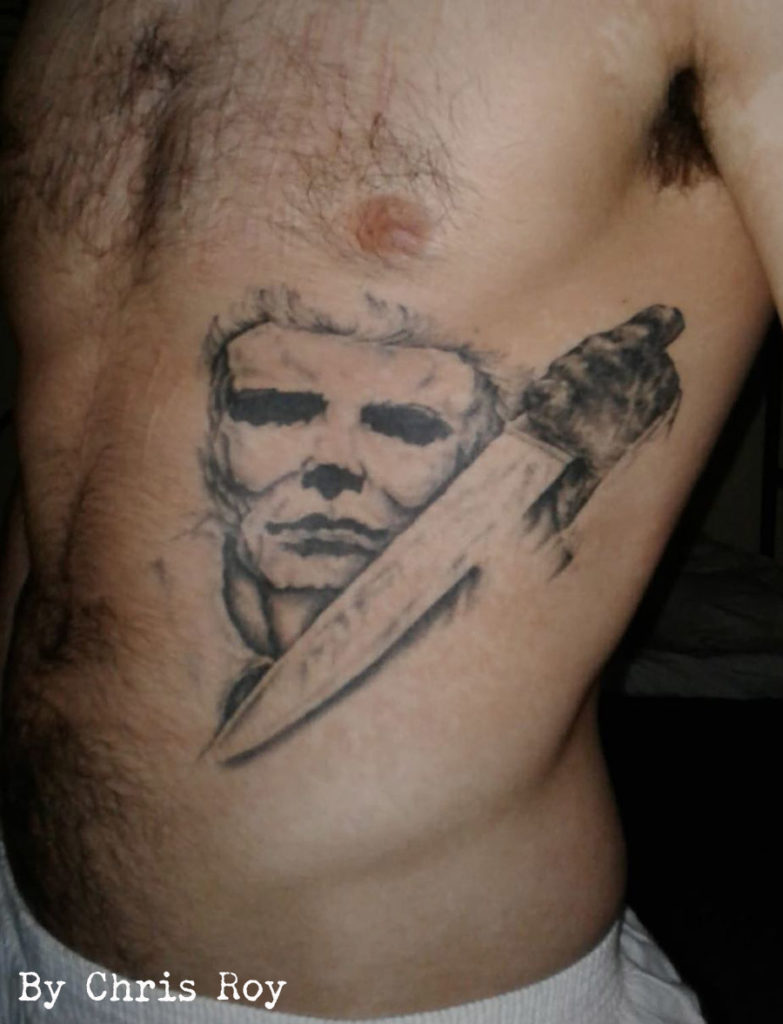
The law is against Roy, who although guilty, got sentenced in an era when violent criminals were handed extraordinarily harsh prison terms. Pre-1995 murder convictions became eligible for parole after ten years. Convictions like Roy’s, handed down between 1995 and 2014, become eligible for parole when the convict turns 65. Someone convicted of murder today will get out decades before Chris Roy, who is not due to have his appeal heard until 2047.
After a couple of years in lockdown at Parchman’s Supermax Unit 32, Roy was transferred to General Population in the East Mississippi Correctional Facility.
“I met this guy called Tattoo in 2003. He’d been a tattoo artist out west for twenty years and he tattooed like a surgeon on amphetamines. He could construct a precision spec machine out of pens, cigarette lighters and radio parts in the time most people drink a beer. He was an arrogant asshole. But he became my kind of asshole, and after a couple years of black eyes and cracked ribs, he became a friend.”
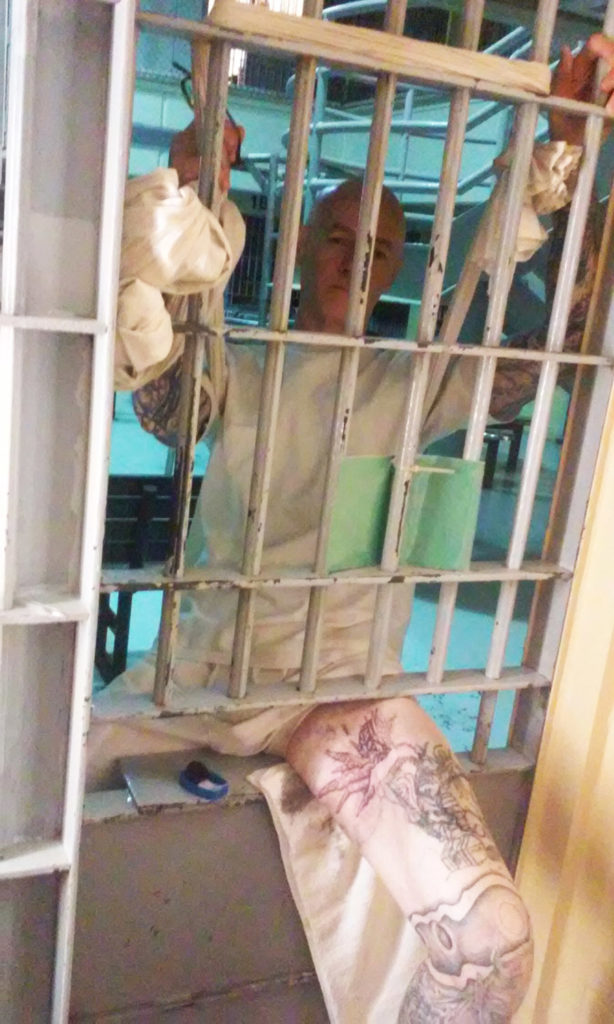
Prison tattoo
Roy’s cell mate Gene talked Tattoo into lending Roy his machine for the night.
“The machine instantly became an appendage through which I could extend my senses. I could feel the suction and discharge of the ink, the minute vibration of the needle pumping and staining. I could sense that sweet spot depth of penetration that varies from thick to thin skin...”
The first tattoo Roy did was a rabbit with fangs, a cowboy hat and a double barrel shotgun.
“I remember guys at breakfast the next day, seeing the homicidal bunny. They all lined up to let me practice on them. That day, my life changed.”

Roy set his cell up like a tattoo studio, the walls covered in pages from motorcycle and tattoo magazines and original flash art. “I had medical supplies from the clinic. Free world inks. Even had a couple apprentices doing the grunt work. There was an endless line of customers in the thousand man facility. I've done lots of chest and back pieces, side and stomach, - and most of these were big, bad motherfuckers.”

Roy himself is not tattooed, “If I had tattoos I would go mad from obsessing over ways I could have done them differently or better.”
Naturally, prison authorities don't like their inmates inking each other. Some prisoners get serious infections, and gang tattoos have far reaching consequences for young inmates. But the US prison system and its employees are also inherently lazy and corrupt.
“I did tattoos on two guards and a male nurse. In return I was allowed to go into the clinic and get all the supplies I needed: latex gloves, ointment, iodine, even alcohol. The Chief of CID would escort me to any zone in the prison for 20US$ and leave me to tattoo. I made about $10 an hour. We were tattooing all night, smoking weed, jamming rock, fantasizing about what we would do once free.”
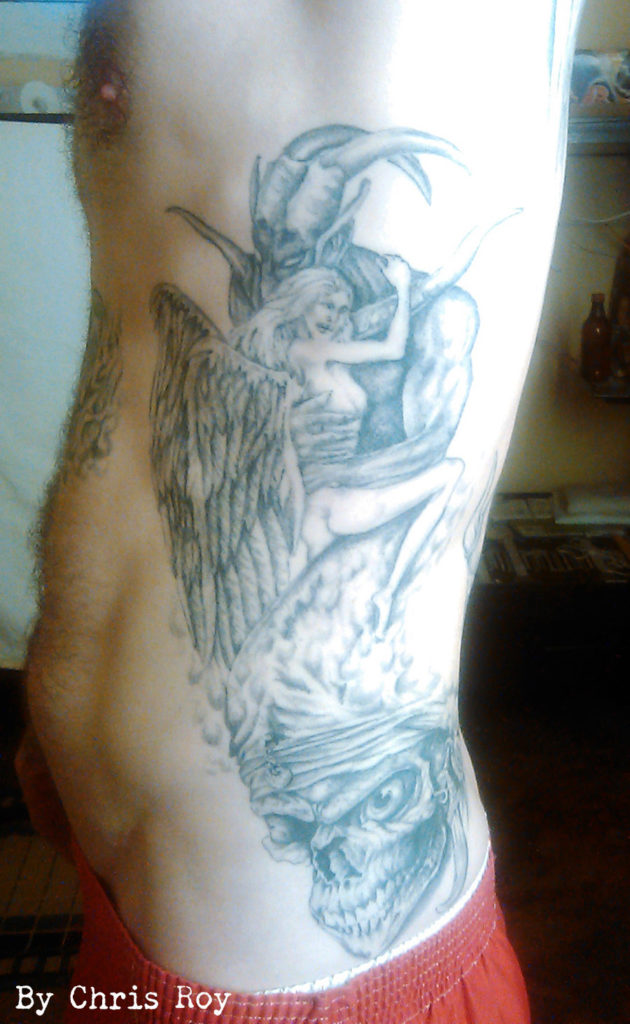
For a moment, it looked like Roy had carved out a life of sorts.
“I had a tattoo business that made money. I had an excellent job working for the Education Department teaching math and English in GED classes. I had a group of guys I trained in boxing and I enjoyed building props for plays. But every day, without fail, I planned to escape.”
In 2005, Roy made a break that was straight from a movie, sawing through the bars in his cell window with a hack saw. But once outside, plans went awry and he was caught within 24 hours. Shortly after, he escaped a second time. And got caught once again and returned to Parchman. For the next three years, Roy didn’t have a single opportunity to tattoo.
“I experienced the worst living conditions imaginable. Now a high risk prisoner, I was moved to a different cell every week. I was strip-searched and put in restraint gear every time I came out of the cell - even to the shower and yard cages. There were psych patients screaming, throwing feces, setting fires and flooding their cells. It was hell. I knew I would have to live like this for years. But that brief moment of freedom, the memory of it, made it worth it.”
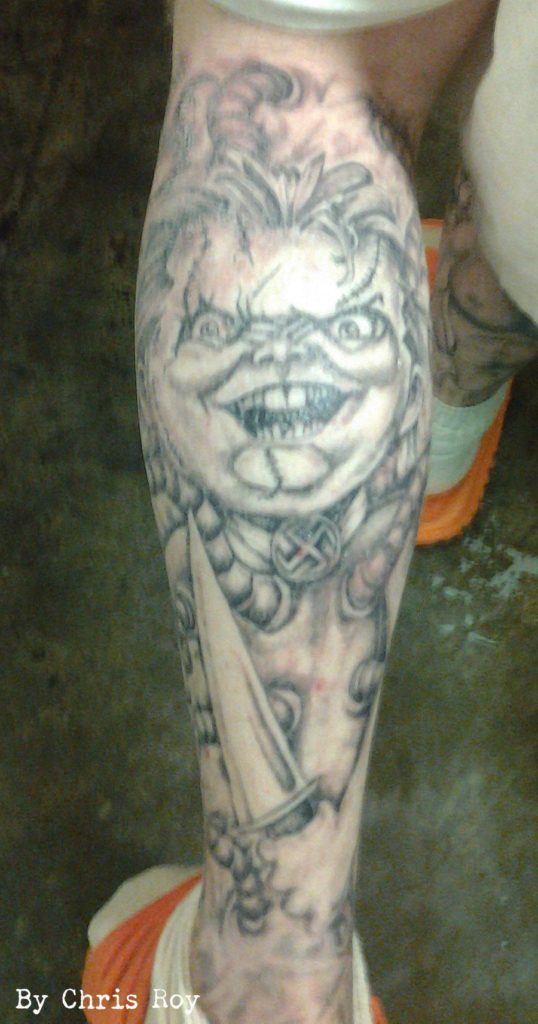
Tattooing behinds bars
Things changed in 2008, when Roy qualified for a high risk incentive program.
“We had to figure out a way to tattoo while being watched on camera. We had this big rolling telephone, basically a huge crate on wheels, outside the cells. The customer would roll the phone crate in front of my cell, sit down on it, hold the handset to his ear, pretending to make a call, and stick his other arm into my cell. The phone blocked the camera's view.”
The hardest inmates to tattoo are those on death row. Kept on their own tier at Parchman, these men are almost impossible to reach. Contact with staff or other inmates is strictly forbidden.
“We made history when my friend D-Block paid an officer to allow me to tattoo him through his bars. It was expensive, but it was worth it. He showed off my work outside in the yard cages to others on death row. Nearly everyone wanted me to tattoo them, but they couldn't afford to grease the right palms.”
Roy managed to tattoo D-block six times.

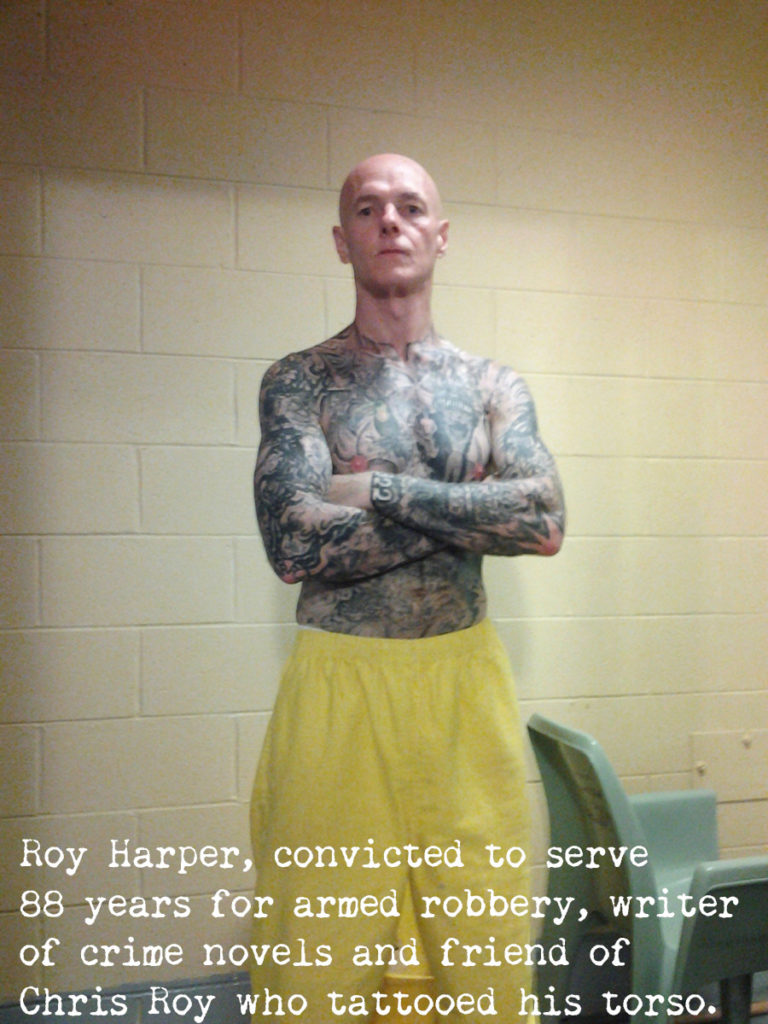
“I also got friendly with a guy called Ben. He is up for capital murder and it’s not looking good for him. I put pictures of his wife, his daughter and his granddaughter on his back along with a winged horse and a goblin skull. I must have been up to his cell twelve times. But Ben suffered from paranoia and delusions. We fell out and he burned me for 500$.”
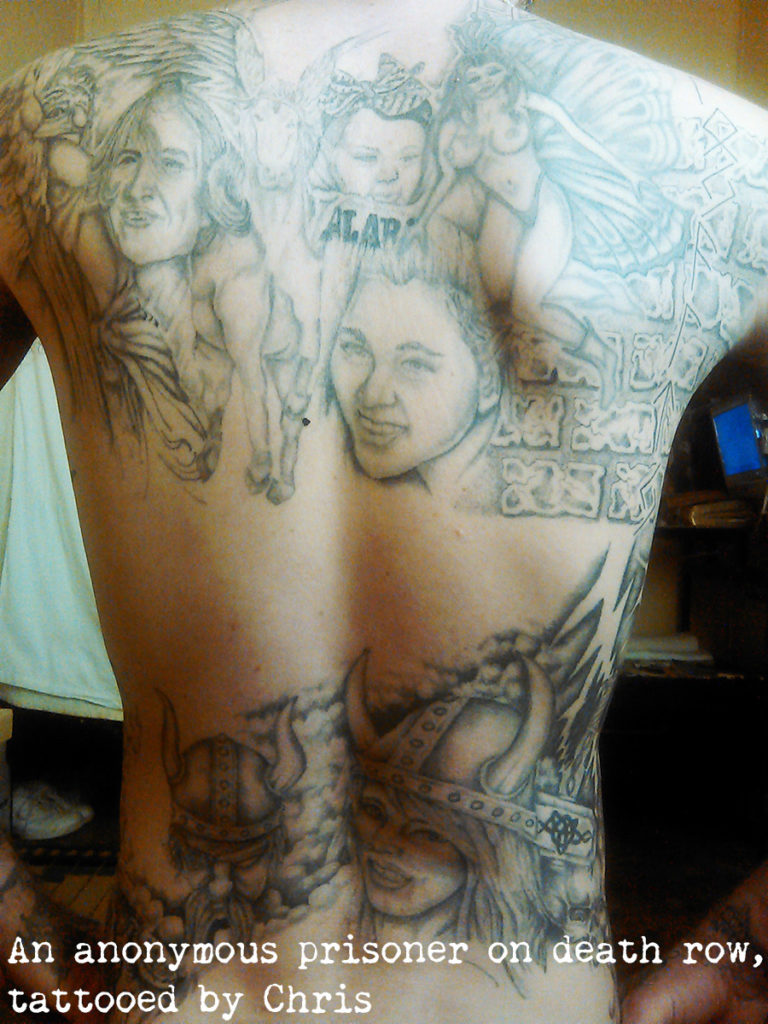
In November 2016, Roy was caught with a mobile phone and was taken out of the high risk incentive program. He spent ten months in a cell with a steel door in almost complete isolation and could no longer tattoo.
“I thought a lot about tattooing then. It’s what keeps me sane in here.”
Since he is back in his old block, he pursues the activity that puts him at the centre of his community and has tattooed a couple of large side pieces. Through the bars of his cell of course.
For more information on Chris Roy and his case, visit https://unjustelement.com/
Build a tattoo machine in an American maximum security prison
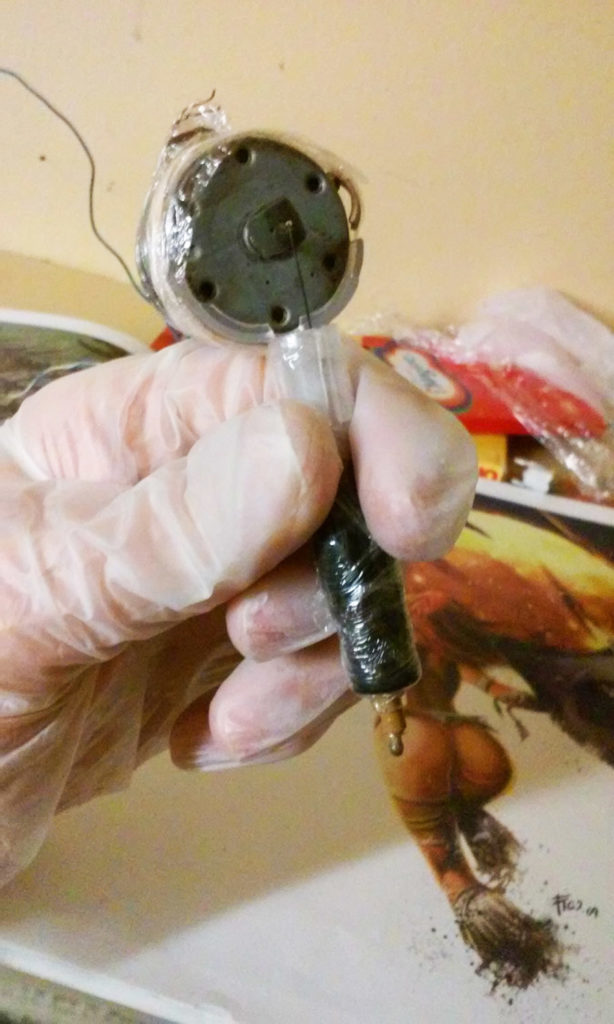
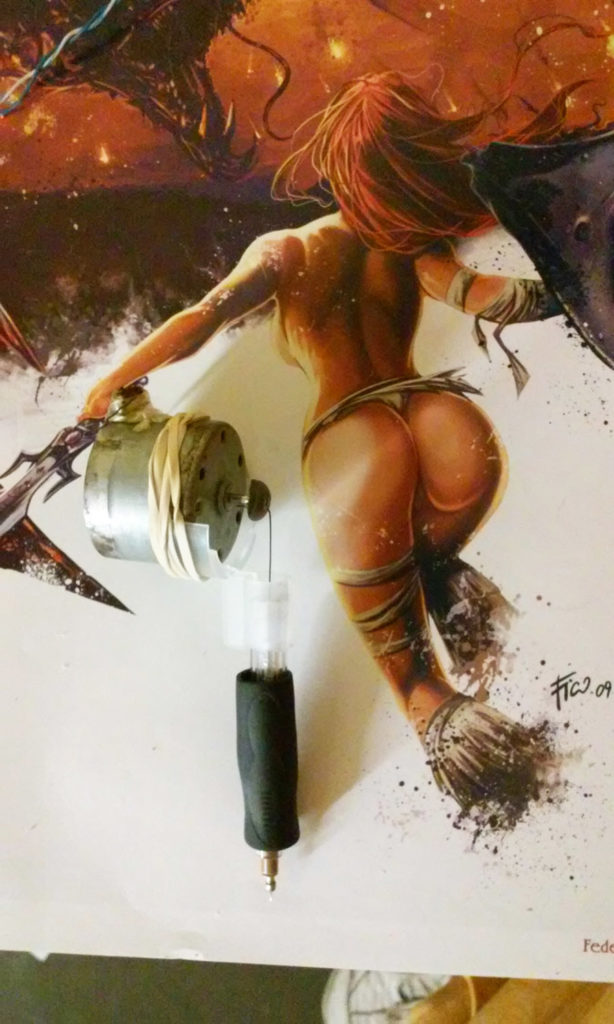
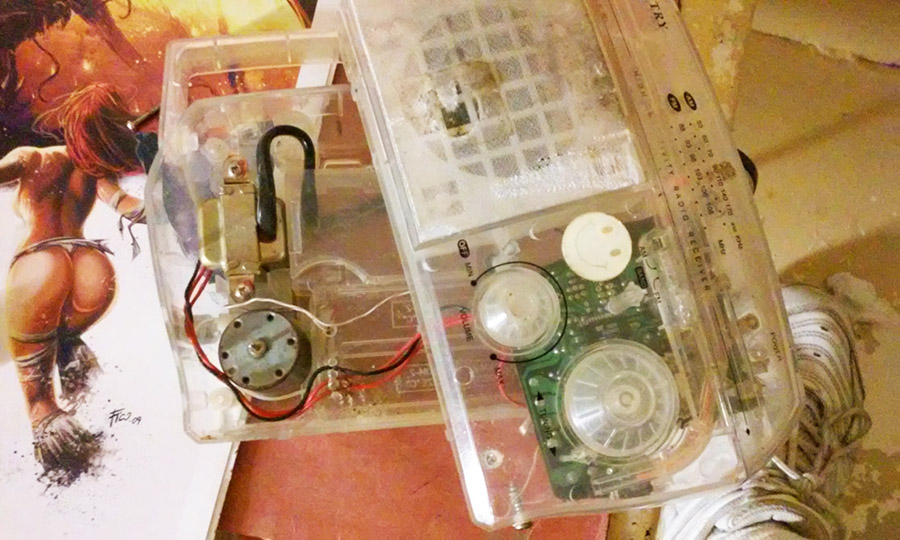
Roy didn’t have much to work with to build his tattoo machine in Parchman maximum security - a prison issued radio, a Bic lighter, a clear Bic pen body, an empty ink cartridge, a ballpoint tip, the rubber body of a security flex pen, the plastic top of a chemical spray bottle, and a small square of rubber.
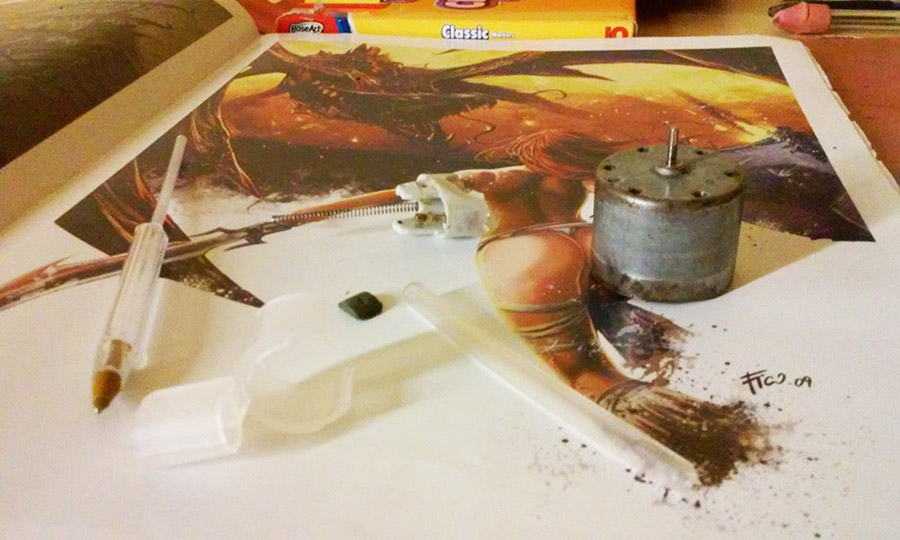
Building the machine
“First I remove the ballpoint and replace it with the jet from the Bic lighter. Then I cut a small section of the flex pen body to insert into the motor end of the cut down Bic pen. This will hold the tube securely in the centre. The spray bottle top is a perfect motor mount. I cut it a little to slide it onto the Bic pen body. This makes adjusting the needle depth easy. Then I cut off the ballpoint and insert the jet from the lighter into the plastic tip. The square of rubber needs to fit onto the motor shaft."
"I poke a hole into the rubber next to the shaft and insert a small cut of insulation from telephone wire, the sleeve for the needle. The needle then fits into the piece of insulation. I then place the needle, the tip, the guide (the former ink cartridge), the ink cap (a soda pop top) and a wipe rag (a piece of t-shirt) in a bowl of water and boil it in a microwave for three minutes. Finally, the motor is secured to the mount with a rubber band and the machine is wrapped in Saran wrap.”
Producing ink
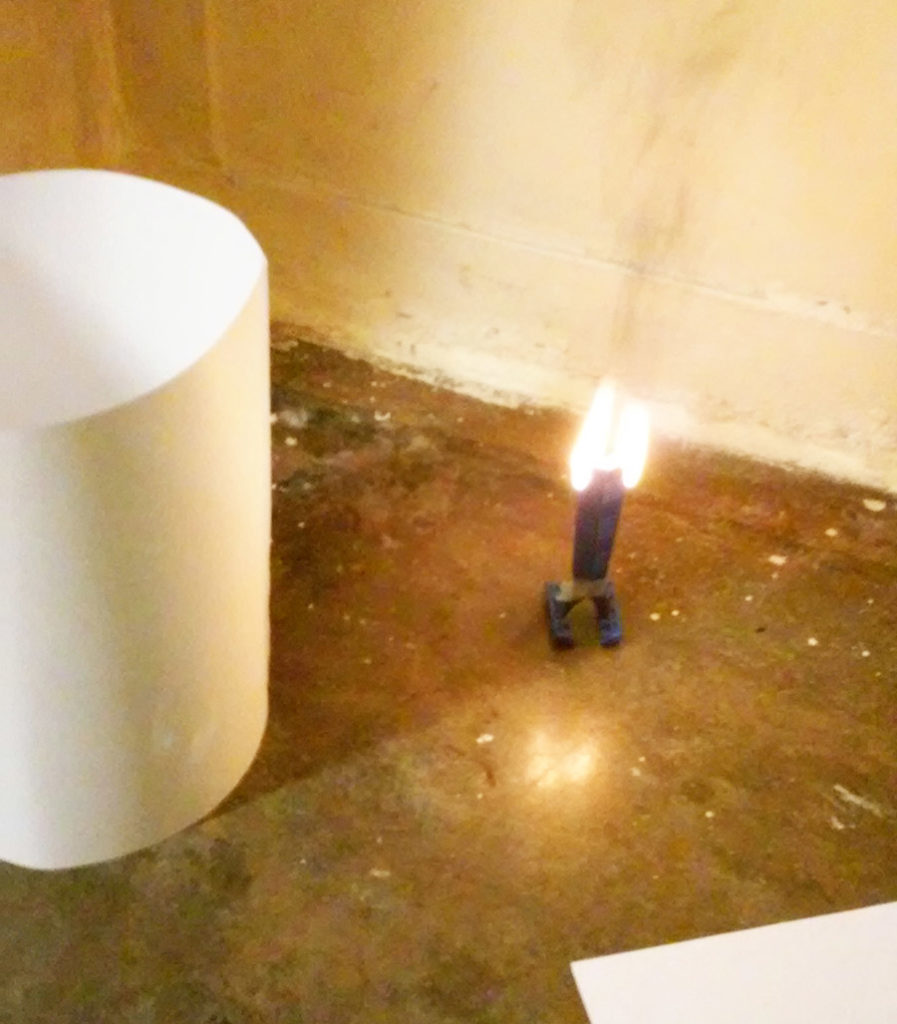
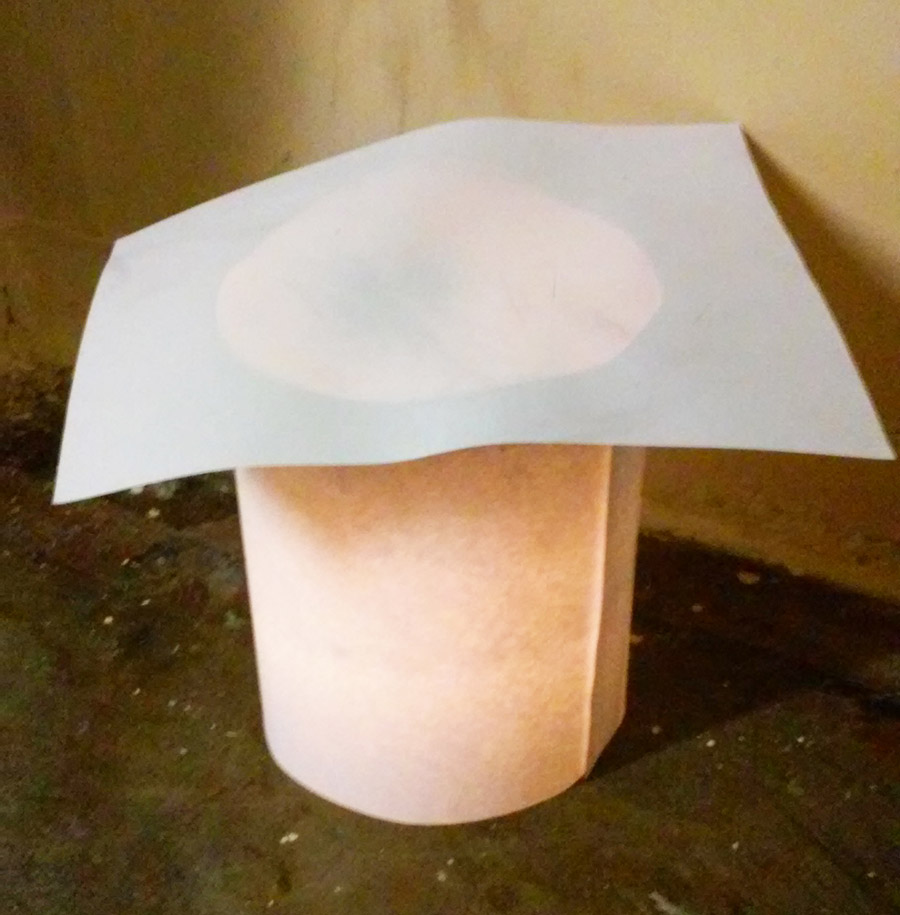
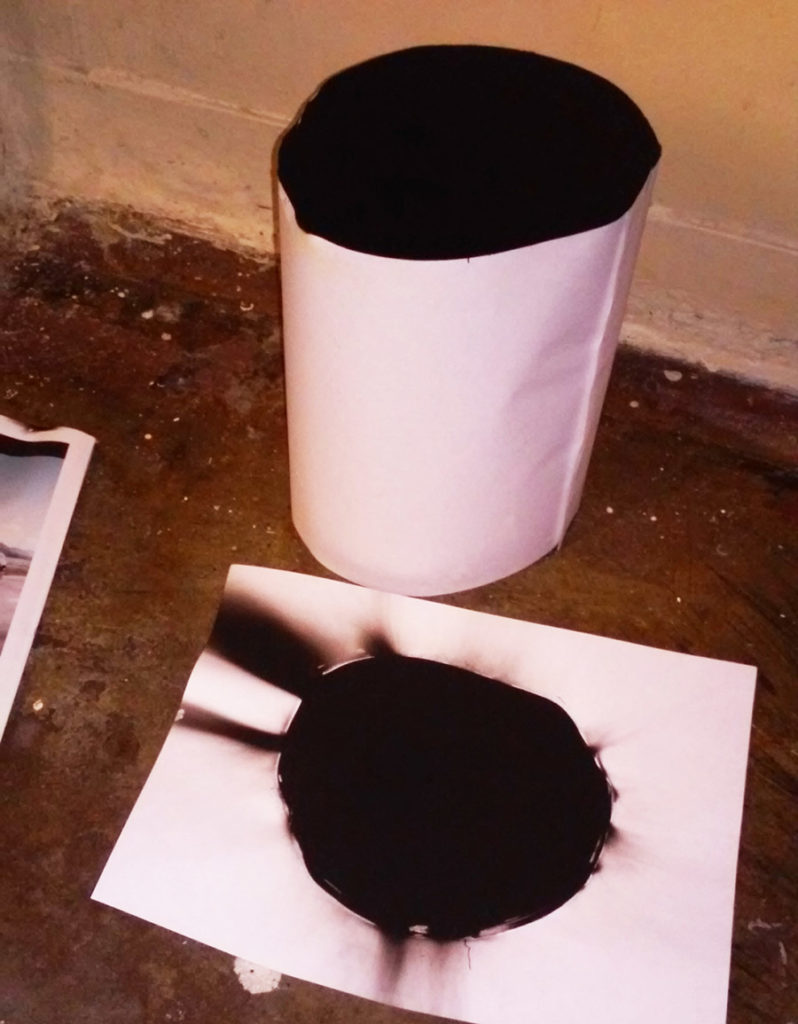
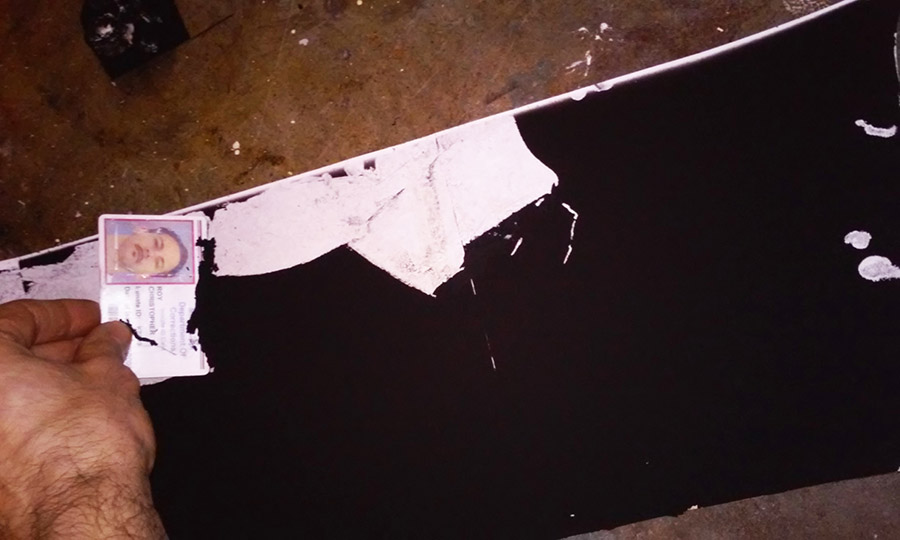
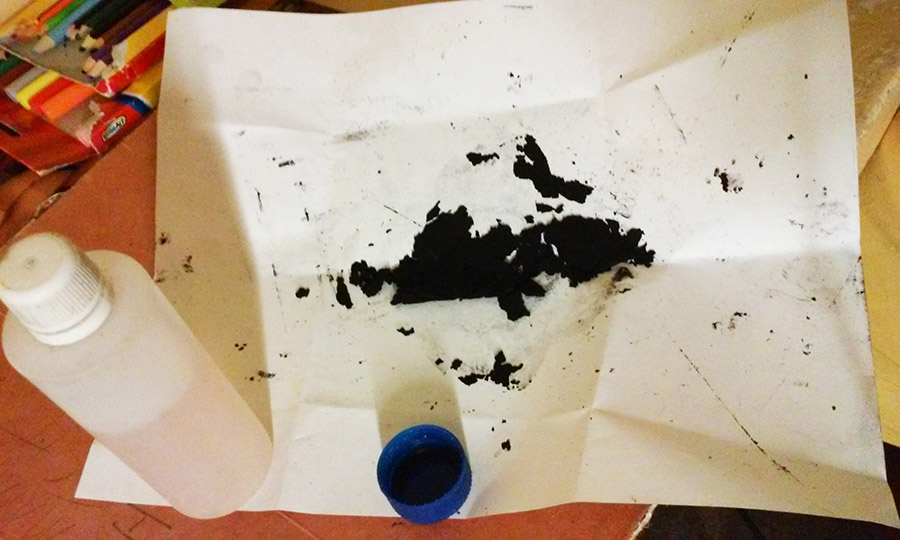
“I remove the blades from a couple of plastic shavers and tape the bodies together with salvaged tape. I glue a piece of A4 paper with toothpaste into a circular smokehouse that will collect soot. The shavers go in the centre and I set fire to the plastic heads. I cover the smokehouse with another piece of paper underneath a magazine. The paper will turn to soot which I collect in a bottle top. Burning two shavers makes enough ink for a very large tattoo.
Mixing the ink is an art in itself. I put water in a plastic bottle cap, then a couple micro drops of shampoo. I sprinkle the soot in a little at a time. Too much shampoo and the detergents will make the tattoo blue or green. Too much soot and the ink will not work in the machine's suction and discharge.”
Build a needle
The final necessary tool is a decent needle.
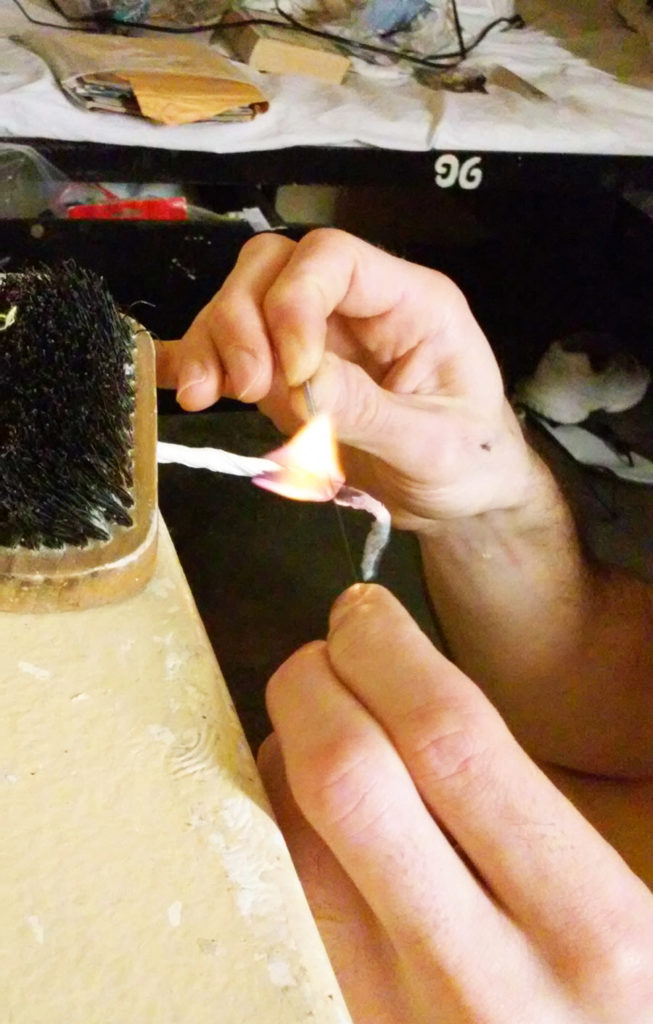
“I heat the spring from the lighter with a slow burning flame off tightly rolled toilet paper. I move the spring through the flame while I apply steady pressure, pulling it straight as I move it. If I pull too hard, it'll snap. If it gets too hot, it'll break.”